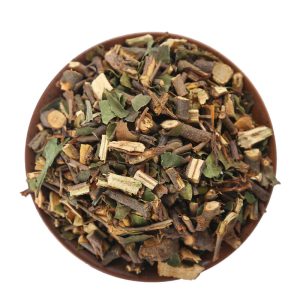
Chaenomelis Fruit

Disclaimer: All Chinese herbal teas, Chinese herbal soup, herbal decoctions, TCM dietary therapies, acupuncture, and Tui Na massage featured in this article serve solely as auxiliary wellness support. They fall under the category of dietary and traditional wellness practices rather than formal medical treatment, and cannot substitute for professional medical diagnosis, prescription medication, or clinical therapy. If you have received a diagnosis of colds, coughs, bronchitis, asthma, tuberculosis, or any other physical ailment, you must adhere to treatment plans from licensed medical practitioners. Pregnant, breastfeeding, medication-taking or chronically unwell individuals are required to consult a qualified healthcare provider prior to use.
TCM Culture Disclaimer:Traditional Chinese Medicine (TCM) boasts a development history spanning thousands of years in China. Over 2,000 years ago, during the Warring States to Qin and Han dynasties, Huangdi Neijing (The Yellow Emperor’s Internal Classic) was compiled, establishing a comprehensive traditional theoretical framework for TCM. All TCM terminology, traditional wellness concepts for balancing bodily functions and historical health philosophies mentioned in this article are presented solely for the inheritance, popularization and cultural exchange of traditional Chinese medicine culture. This content shall not be regarded as clinical diagnosis or medical treatment guidance of any kind. Read more

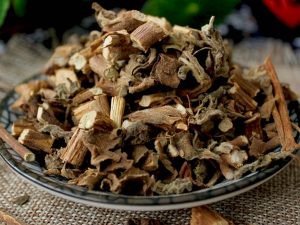
The nearly ripe fruit of Chaenomeles sinensis (Thouin) Koehne, a plant of the Rosaceae family.

【Properties, Flavors and Meridian Tropism】 Warm in property, sour in flavor. Attributed to the Liver Meridian and Spleen Meridian.

[Efficacy and Actions] Calm the liver, relieve tendon rigidity, harmonize the stomach, and resolve dampness. It belongs to the herbs for dispelling wind-dampness and strengthening sinews and bones, a subcategory of herbs for dispelling wind-dampness.

[Pharmacological Research] It has hepatoprotective, antibacterial, antitumor, anti-hyperuricemia and other effects.

Chaenomelis Fruit TCM Benefits: Calm Liver and Support Digestive Health

In Traditional Chinese Medicine (TCM), Chaenomelis fruit offers targeted benefits rooted in its ability to calm the liver, relieve tendon rigidity, harmonize the stomach, and resolve dampness. Classified as a wind-dampness dispelling herb that strengthens sinews and bones, it addresses issues like stiff joints or digestive discomfort linked to dampness imbalances. Its alignment with the Liver and Spleen Meridians means it supports the body’s natural flow of qi, making it a valuable herb for those seeking holistic relief from both musculoskeletal and digestive concerns.

Chaenomelis Sinensis: Properties, Flavors, and Meridian Tropism in TCM

Chaenomelis sinensis, the nearly ripe fruit of a Rosaceae family plant, has distinct TCM properties: warm in nature and sour in flavor. Attributed to the Liver and Spleen Meridians, these characteristics drive its therapeutic actions. The sour flavor helps harmonize the stomach and retain qi, while its warm property aids in resolving dampness—key for addressing conditions like bloating or joint stiffness. Understanding these core traits is essential for using Chaenomelis fruit effectively in TCM formulations.

Pharmacological Effects of Chaenomelis Fruit: Modern Research Insights

Beyond its traditional TCM uses, modern pharmacological research reveals Chaenomelis fruit has impressive health benefits, including hepatoprotective, antibacterial, antitumor, and anti-hyperuricemia effects. These findings validate some of its traditional roles, such as liver protection supporting its ability to calm the liver in TCM. For those interested in evidence-based herbal remedies, these studies highlight Chaenomelis fruit’s potential to support liver health, fight infections, and manage uric acid levels naturally.

TCM Terminology Disclaimer:All traditional Chinese medicine (TCM) terms, descriptions, and wellness expressions including but not limited to nourishing lungs, soothing throat discomfort, supporting respiratory comfort, clearing mild internal heat, balancing qi and blood, harmonizing bodily functions, and regulating general wellness featured on this website are traditional TCM cultural descriptions and historical wellness theories only. These phrases are used solely for traditional TCM knowledge sharing and cultural interpretation. They do not constitute medical efficacy claims, have not been evaluated by the FDA, and are not intended to diagnose, treat, cure, or prevent any disease. All TCM wording describes traditional auxiliary wellness conditioning effects only and should never be interpreted as clinical medical treatment results. Individuals with confirmed illnesses must seek professional medical diagnosis and follow standard Western medical treatment.
FDA Mandatory Disclaimer:These statements have not been evaluated by the Food and Drug Administration. Chinese herbal dietary supplements and traditional wellness practices are not intended to diagnose, treat, cure or prevent any disease and serve only as daily auxiliary health support. If you have been diagnosed with any illness, please seek professional medical care and follow standard Western medical treatment regimens.

Leave a Comment