Dong Quai
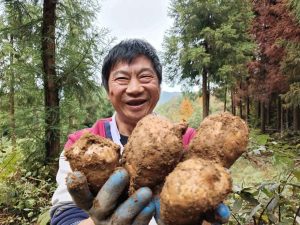
Gastrodia Elata
Astragalus
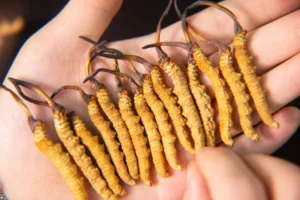
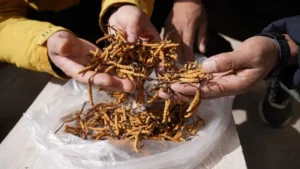
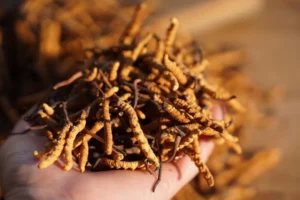
Cordyceps sinensis
cordyceps tea
Grains
Legumes

Ephedra

Ephedra is a commonly used herbal medicine for dispelling wind-cold. It consists of the dried herbaceous stems of plants belonging to the genus Ephedra in the family Ephedraceae, specifically Ephedra sinica Stapf (Chinese ephedra), Ephedra intermedia Schrenk et C. A. Mey. (intermediate ephedra), or Ephedra equisetina Bge. (horsetail ephedra). It has the effects of inducing sweating to relieve exterior syndromes, promoting lung function to relieve wheezing, and promoting diuresis to reduce swelling.It is primarily used to treat wind-cold colds, coughs and wheezing, and edema caused by wind-dampness.

Sichuan Neem

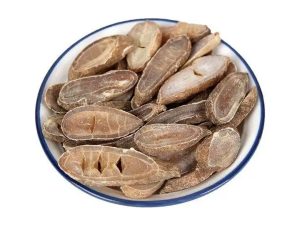
Chuanlianzi is the name of a traditional Chinese medicine. It is the dried, ripe fruit of Melia toosendan Sieb. et Zucc., a plant in the Meliaceae family. Authentic medicinal materials specifically refer to Chuanlianzi produced in Sichuan, Chongqing, and surrounding areas.It is also produced in provinces such as Gansu, Hubei, Guizhou, and Yunnan. This herb has the effects of soothing the liver and clearing heat, regulating qi and relieving pain, and killing parasites. It is primarily used to treat liver qi stagnation transforming into fire, distension and pain in the chest, flanks, epigastrium, and abdomen, hernia pain, and abdominal pain caused by parasitic infestation.

Emblica

Emblica, a name in traditional Chinese medicine. It is the fruit of Phyllanthus emblica L., a plant of the Euphorbiaceae family. This herb has a bitter, sweet, and sour taste; a cool nature; and enters the Liver, Lung, Spleen, and Stomach meridians. It has the effects of clearing heat and relieving sore throat, moistening the lungs and resolving phlegm, and promoting fluid production to quench thirst. It is primarily used to treat common cold with fever, cough, sore throat, diphtheria, restlessness with fever and thirst, and hypertension.

Gypsophila acutifolia

Gypsophila acutifolia, a name in traditional Chinese medicine. It refers to the whole plant of Gypsophila acutifolia Fisch. var. gmelini Regel, of the family Caryophyllaceae. It is produced in Inner Mongolia, Qinghai Province, and other regions. It has the effects of relieving coughs and resolving phlegm. It is used to treat coughs.

Astragalus Root to Reduce Cortisol

Astragalus root functions as an adaptogenic herb that helps regulate cortisol levels and support the body’s stress response. Introduction Chronic stress and elevated cortisol levels are epidemic in modern society, contributing to weight gain, sleep disturbances, immune dysfunction, and accelerated aging. Astragalus root is classified as an adaptogenic herb, meaning it may help the body … Read more

Astragalus Root for Exercise Recovery

Astragalus root supports post-exercise recovery through its anti-inflammatory, antioxidant, and tissue-regenerative properties. Introduction Recovery is as important as training itself for athletic progress and injury prevention. Astragalus root has gained attention for its potential to support post-exercise recovery, making it a valuable addition to any athlete’s supplement regimen. How Astragalus Supports Recovery Anti-Inflammatory Action. Astragalus is … Read more

Astragalus Root Athletic Performance

Astragalus root supplementation has been shown to enhance aerobic performance, decrease fatigue, and improve exercise capacity in athletes. Introduction Athletes and fitness enthusiasts are constantly seeking safe, natural ways to enhance performance. Astragalus root (Astragalus membranaceus), a traditional Chinese herb with a 2,000-year history, has gained significant attention in sports nutrition for its performance-enhancing properties. … Read more

Astragalus Root for PMS

Astragalus root has been traditionally used to support female reproductive health, including relief from premenstrual syndrome (PMS) symptoms. Introduction Premenstrual syndrome (PMS) affects millions of women worldwide, causing physical discomfort, mood changes, and fatigue in the days leading up to menstruation. Astragalus root, a cornerstone of Traditional Chinese Medicine, has long been used to support … Read more

Astragalus Root for Hot Flashes

Astragalus root shows promise for reducing hot flashes and other menopausal symptoms through its adaptogenic and hormone-balancing properties. Introduction Hot flashes are one of the most common and distressing symptoms of menopause, affecting approximately 75% of women during the menopausal transition. While hormone replacement therapy (HRT) remains a standard treatment, many women seek natural alternatives … Read more

Astragalus Root for Fertility Support

Fertility challenges can stem from persistent fatigue, poor nutrient absorption, chronic inflammation, hormone irregularities, and compromised blood flow to reproductive tissues. Many individuals seek gentle, natural herbal support alongside conventional fertility care. Important distinction: Astragalus is a complementary fertility tonic. It does not treat clinical infertility on its own and cannot replace reproductive medical treatment, … Read more

Astragalus Root for Hormonal Balance

Hormonal imbalance can manifest as erratic energy, unstable mood, disrupted monthly cycles, stubborn weight shifts, heightened stress reactivity, sleep disturbances, and uncomfortable midlife symptoms. Many people seek plant-based support to encourage steady endocrine function. A key distinction: Astragalus root does not directly supply phytoestrogens or force hormone levels up or down. Instead, it strengthens core … Read more

Astragalus Root for Menopause Support

Menopause and perimenopause bring sweeping shifts to hormone levels, often triggering persistent fatigue, fluctuating energy, weakened immunity, sluggish digestion, and heightened stress sensitivity. Many women seek gentle, holistic herbal support instead of synthetic hormone interventions. Astragalus root does not directly mimic estrogen. Instead, it strengthens foundational bodily vitality to help the system adapt naturally through … Read more

Astragalus Root for Bloating & Poor Appetite

Persistent bloating after meals and lack of appetite are extremely common digestive complaints. Many people experience abdominal fullness, heaviness, and little desire to eat, even after long gaps between meals. While quick-acting carminative herbs can temporarily expel gas, they do not address the underlying weak digestive energy that keeps bloating and poor appetite recurring. Astragalus … Read more

Astragalus Root for Leaky Gut

Leaky gut, clinically referred to as increased intestinal permeability, develops when the tight junctions between intestinal epithelial cells weaken. Gaps form in the gut lining, allowing undigested food particles, bacterial fragments and toxins to leak into the bloodstream. This triggers low-grade systemic inflammation, food sensitivities, persistent fatigue, skin irritation and recurrent immune disturbances. Important Disclaimer: … Read more