Ephedra is a commonly used herbal medicine for dispelling wind-cold. It consists of the dried herbaceous stems of plants belonging to the genus Ephedra in the family Ephedraceae, specifically Ephedra sinica Stapf (Chinese ephedra), Ephedra intermedia Schrenk et C. A. Mey. (intermediate ephedra), or Ephedra equisetina Bge. (horsetail ephedra). It has the effects of inducing sweating to relieve exterior syndromes, promoting lung function to relieve wheezing, and promoting diuresis to reduce swelling.It is primarily used to treat wind-cold colds, coughs and wheezing, and edema caused by wind-dampness.

Ephedra
Ephedra is a commonly used herbal medicine for dispelling wind-cold. It consists of the dried herbaceous stems of plants belonging to the genus Ephedra in the family Ephedraceae, specifically Ephedra sinica Stapf (Chinese ephedra), Ephedra intermedia Schrenk et C. A. Mey. (intermediate ephedra), or Ephedra equisetina Bge. (horsetail ephedra). It has the effects of inducing sweating to relieve exterior syndromes, promoting lung function to relieve wheezing, and promoting diuresis to reduce swelling.It is primarily used to treat wind-cold colds, coughs and wheezing, and edema caused by wind-dampness.
Chinese Name : 麻黄
Latin Name : Ephedrae Herba
Aliases : Longsha, Gougu, Bixiang, Biyan
Authentic Producing Area : Mainly produced in Shanxi, Hebei, Gansu, Inner Mongolia, and Xinjiang
Nature, Flavor & Meridian Tropism : Pungent and slightly bitter in taste; warm in nature; enters the Lung and Bladder meridians
Benefits & Efficacy
Benefits
Induces sweating to relieve exterior syndromes, promotes lung function to relieve wheezing, and promotes diuresis to reduce swelling.
Indications
Mainly used to treat wind-cold common colds, coughing and wheezing, and edema caused by wind-dampness.
Usage and Dosage
Decoct and take 2–10 g.
Precautions
1. Contraindications for Combining with Other Chinese Herbs (1) Contraindicated with Magnolia Flower (Xin Yi); compatible with Stone Weed (Shi Wei), Magnolia Bark (Hou Po), and White Lonicera (Bai Lian) as mediators. (2) Simultaneous decoction of Dandelion (Pu Gong Ying) and Ephedra (Ma Huang) may cause the solution to become turbid; therefore, they should not be combined in compound injections. 2. Contraindications for Combining with Western Medications (1) Should not be used concurrently with antihypertensive drugs. (2) Should not be used concurrently with sedatives and hypnotics such as chlorpromazine and phenobarbital. (3) Should not be used concurrently with monoamine oxidase inhibitors such as furazolidone, pargyline, amphetamine, and phenethylhydrazine, as this may lead to hypertensive crisis and cerebral hemorrhage. (4) Concomitant use with cardiac glycosides (such as digoxin) and aminophylline may increase the risk of toxic reactions; therefore, such combinations are not recommended. (5) Should not be used in combination with epinephrine, norepinephrine, or isoprenaline, as this may induce hypertension. (6) Concomitant use with isoniazid is not recommended, as both drugs can cause adverse reactions such as mental excitement and difficulty urinating. (7) Ephedra has a very potent diaphoretic effect; concomitant use with antipyretic and analgesic drugs may easily lead to profuse sweating and circulatory collapse; therefore, dosage should be monitored carefully. 3. Dietary Contraindications Avoid raw, cold, greasy, or highly irritating foods; avoid oyster meat.
Chemical Constituents
It primarily contains alkaloids such as ephedrine, pseudoephedrine, n-methyl ephedrine, n-methyl pseudoephedrine, methyl ephedrine, and methyl pseudoephedrine; it also contains tannins and essential oils.
Pharmacological Actions
This product primarily has the following effects: antipyretic, diaphoretic, antitussive, bronchodilatory, analgesic, anti-inflammatory, diuretic, cardiotonic, and blood pressure-raising.
Relevant Discussions
1. *Shennong Bencao Jing*: “Treats stroke, typhoid fever headaches, and warm malaria. Induces sweating to expel pathogenic heat, relieves coughing and shortness of breath, eliminates alternating chills and fever, and breaks up masses and accumulations.”
2. *Mingyi Bielu*: “It opens the skin pores and relieves muscle tension.”
3. *Bencao Gangmu*: “It alleviates redness, swelling, and pain in the eyes, as well as edema and wind-induced swelling… Ephedra is a specific herb for the Lung Meridian; therefore, it is frequently used to treat lung diseases. When Zhang Zhongjing treated typhoid fever, he used ephedra for cases without sweating and guizhi for cases with sweating.”
4. *Ben Cao Zheng*: “With its light and soaring flavor combined with a pungent and warm nature, it effectively reaches the muscle surface and travels through the meridians, demonstrating great ability to disperse wind pathogens from the exterior and eliminate cold toxins… It is essential for all conditions involving exterior excess in the Three Yang Meridians of the Foot.”
Applications
Clinical Applications
1. Wind-Cold Common Cold: This herb has a pungent flavor that promotes dispersion and a warm nature that dispels cold. It primarily enters the Lung and Bladder meridians and excels at promoting the flow of Lung Qi, opening the skin pores, and penetrating the hair follicles to induce sweating and resolve exterior syndromes. With its potent diaphoretic action, it is a key herb for inducing sweating and resolving exterior syndromes.It is suitable for cases of external wind-cold stagnation characterized by closed pores and absence of sweating. It is often combined with Guizhi to enhance its ability to induce sweating, dispel cold, and resolve exterior syndromes. Since Ma Huang also has the effect of relieving wheezing, it is particularly suitable for cases of wind-cold exterior excess accompanied by wheezing and coughing, such as in the Ma Huang Decoction (*Treatise on Cold Damage*).
2. Cough and Asthma: This herb possesses pungent dispersing and bitter draining properties, as well as warming, unblocking, and promoting circulation effects. It primarily enters the Lung Meridian, where it can open the stagnation and obstruction in the skin and hair to promote the free flow of lung qi, and descend rebellious qi internally to restore the lung’s normal function of descending and purifying. Therefore, it is highly effective in relieving asthma and serves as a key herb for treating cough and wheezing caused by stagnation of lung qi; it is often supplemented with cough-relieving and asthma-alleviating herbs such as Apricot Kernel.For treating real-pattern cough and wheezing caused by external wind-cold constricting the body and obstructing lung qi, it is often combined with apricot kernels and licorice, as in the San’ao Decoction (*Taiping Huimin Heji Jufang*, abbreviated as *Heji Jufang*).For treating cough and wheezing caused by stagnation of cold phlegm and fluid retention, characterized by copious, thin, and clear phlegm, it is often combined with Asarum, Dried Ginger, and Pinellia, as in the Minor Blue Dragon Decoction (from *Treatise on Cold Damage*). In cases of severe lung heat with high fever and severe wheezing, it is frequently combined with Gypsum, Apricot Kernel, and Licorice to clear lung heat and relieve wheezing, as in the Ma-Xing-Gan-Shi Decoction (from *Treatise on Cold Damage*).
3. Wind-Damp Edema: This herb promotes the ascending and descending functions of lung qi, induces sweating to resolve exterior syndromes, and facilitates the dispersion of water and dampness from the skin through the pores. It also regulates the water channels, directs fluid downward to the bladder, and enhances diuresis. Therefore, it is suitable for edema caused by wind-pathogen invading the exterior, resulting in impaired lung function, accompanied by scanty urination and exterior syndrome manifestations. It is often combined with Glycyrrhiza, as in the Glycyrrhiza and Ephedra Decoction (from the *Essentials of the Golden Chamber*).When combined with other diaphoretic and exterior-releasing herbs such as ginger and Atractylodes macrocephala, as well as diuretic and edema-reducing agents, the therapeutic effect is further enhanced, as seen in the Yuebi Jia Shu Decoction from the *Essentials of the Golden Cabinet*.
4. Additionally, leveraging Ephedra’s ability to dispel cold and resolve stagnation, it can also be used to treat wind-cold bi syndrome, yin-type ulcers, and phlegm nodules.
Related Compatibility
1. Ephedra combined with Cinnamon Twig: Ephedra is pungent and dispersing, bitter and draining; it penetrates the skin and hair, specializing in promoting lung function, inducing sweating, and dispelling pathogenic factors. Cinnamon Twig is pungent, sweet, and warm; it penetrates the ying and wei layers, excelling at relieving muscle tension and releasing the exterior. When used together, these two herbs enhance the effects of inducing sweating and resolving exterior syndromes. This combination is suitable for exterior syndromes caused by wind-cold with a solid exterior pattern.
2. Ephedra combined with Dried Ginger: Ephedra excels at inducing sweating to resolve exterior syndromes, promoting lung function, and relieving wheezing; Dried Ginger excels at warming the lungs and transforming fluid retention. When used together, these two herbs enhance the effects of dispelling cold, resolving exterior syndromes, transforming fluid retention, and relieving wheezing. This combination is often used for cough and wheezing caused by external invasion of wind-cold with internal retention of fluid.
3. Ephedra combined with Belamcanda: Ephedra excels at dispersing the lungs and relieving wheezing; Belamcanda excels at eliminating phlegm and soothing the throat. When used together, these two herbs work synergistically to disperse the lungs, eliminate phlegm, suppress cough, and relieve wheezing. This combination is suitable for conditions such as cold fluid stagnation in the lungs, qi reversal causing wheezing, a phlegm-filled throat with a sound resembling a waterfowl’s call, and fullness and oppression in the chest and diaphragm.
4. Ephedra combined with Atractylodes: Ephedra excels at inducing sweating and resolving exterior syndromes; Atractylodes excels at strengthening the spleen and drying dampness. When used together, these two herbs treat both the lung and spleen simultaneously, allowing lung qi to circulate freely, spleen qi to function properly, and dampness to be directed downward. Together, they achieve the effects of inducing sweating, resolving exterior syndromes, dispelling cold, and eliminating dampness. This combination is suitable for water-wind syndrome caused by wind-cold invading the exterior, resulting in impaired lung dispersion and descent and obstruction of the water channels.
5. Ephedra combined with Aconite: Ephedra excels at dispelling external cold and promoting the flow of meridians; Aconite excels at eliminating internal cold and warming and unblocking the meridians. When used together, these two herbs achieve the effects of dispelling cold, relieving arthralgia, and alleviating pain. This combination is suitable for cases of wind-cold-damp arthralgia characterized by pain in the limbs and joints.
Medicinal Identification
Ephedra, Honey-Processed Ephedra, and Ephedra Down: These three are different processed varieties of Ephedra. Due to differences in processing methods, their therapeutic effects vary in emphasis. Raw Ephedra excels at inducing sweating to resolve exterior syndromes, promoting diuresis, and reducing edema; it is commonly used to treat exterior-excess syndromes caused by wind-cold invasion and wind-water edema.Honey-fried Ephedra has a milder pungent and dispersing nature, leaning toward warmth and moisture; it excels at promoting lung function, relieving cough, and alleviating wheezing, and is often used for cough and wheezing caused by impaired lung qi after the exterior syndrome has resolved. Ephedra down has a milder diaphoretic effect and is suitable for children, the elderly, and those with constitutional weakness suffering from wind-cold exogenous pathogens.
Related Medicines
Cold Relief Soft Capsules, Cold Relief Pills, Tongxuan Lipai Pills (oral liquid, capsules, tablets, granules, ointment), Pediatric Lung-Clearing and Phlegm-Resolving Oral Liquid, and Wind-Dispelling and Meridian-Activating Tablets.
Related Prescriptions
Ephedra Decoction (*Treatise on Cold Damage*), San’ao Decoction (*Formulas of the Bureau of Medicinal Preparations*), Minor Blue Dragon Decoction (*Treatise on Cold Damage*), and Yuebi with Atractylodes Decoction (*Essentials of the Golden Cabinet*).
Medicinal Diet Therapy
Ephedra-Steamed Pear:
1. Efficacy: Cough suppression. Suitable for the early stages and spasmodic cough phase of whooping cough in children. It can also be used for coughs associated with pediatric bronchitis.
2. Ingredients: 3–5 g of ephedra; 1 large pear.
3. Preparation: First, crush the Ephedra into a coarse powder. Wash the raw pear, cut it in half, and remove the core. Place the Ephedra powder into the center of the pear, then close the pear tightly, secure it with a small bamboo skewer, and place it in a bowl. Steam over water until tender.
4. Dosage: Take twice daily, one pear each time. Remove the Ephedra, eat the pear, and drink the juice. Continue for 3–5 days.
Notes
Patients requiring treatment with Chinese herbal medicine should first consult a licensed Traditional Chinese Medicine (TCM) hospital to receive a prescription following a professional TCM differential diagnosis.
Processing & Preparation
Harvesting & Processing
Harvest the green, herbaceous stems in the fall, sun-dry them, remove woody stems, residual roots, and impurities, then cut into sections.
Processing Methods
1. Ephedra: Take the raw herb, remove impurities, woody stems, and residual roots; wash thoroughly; moisten slightly before cutting into sections; then dry. The raw form has strong dispersing properties and is suitable for wind-cold exterior excess syndromes and wind-water edema.
2. Honey-processed Ephedra: Take refined honey, dilute it with an appropriate amount of boiling water, add the Ephedra, mix thoroughly, and let it steep until thoroughly infused. Place the mixture in a pot, heat over low heat, and stir-fry until it no longer sticks to the hands. Remove and allow to cool. Use 20 kg of refined honey for every 100 kg of Ephedra. Honey-processed Ephedra has a milder dispersing effect and excels at relieving cough and alleviating wheezing; it is often used for patients with mild exterior syndrome but severe wheezing and cough.
3. Ephedra Floss: Take clean ephedra segments, grind them into floss, and sift out the powder. Ephedra floss has a mild action and is suitable for the elderly, young children, and those with a weak constitution suffering from wind-cold colds or cough and wheezing.
4. Honey-Processed Ephedra Fluff: Dilute refined honey with an appropriate amount of boiling water, then add the Ephedra fluff and mix thoroughly. Let it sit until thoroughly infused, then place the mixture in a pot. Heat over low heat and stir-fry until it turns a deep yellow color and no longer sticks to the hands. Remove and let cool. For every 100 kg of Ephedra fluff, use 30 kg of refined honey. Honey-processed Ephedra fluff has an extremely mild effect.
5. Roasted Ephedra: Place Ephedra segments in a pot and heat over low heat until slightly charred; remove and allow to cool.
6. Ginger and Licorice-Processed Ephedra: Decoct licorice and ginger in water until the flavors are fully extracted; while still hot, soak the Ephedra segments in the decoction, then sun-dry them. For every 100 kg of Ephedra segments, use 6 kg of ginger and 6 kg of licorice.
Storage Methods
Store in a dry container in a well-ventilated, dry place; Honey-coated Ephedra, Honey-coated Ephedra Down, and Ginger-Licorice-Processed Ephedra should be kept in airtight containers in a cool, dry place.
Crude Drug Identification
Properties of Crude Drugs
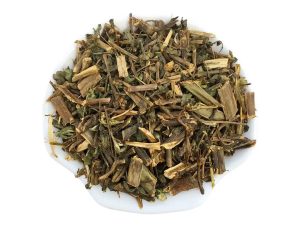
1. Ephedra herb: Slender and cylindrical, with few branches, 1–2 mm in diameter. Some specimens may contain small amounts of brown woody stems. The surface is pale green to yellowish-green, with fine longitudinal ridges; it feels slightly rough to the touch. Nodes are distinct, with internodes 2–6 cm long.The nodes bear membranous scale leaves 3–4 mm long; the lobes number 2 (rarely 3), are acute-triangular in shape, with grayish-white, recurved apices, and bases fused into a tubular structure that is reddish-brown. The plant is light in weight, brittle, and breaks easily; the fracture surface is slightly fibrous, with a greenish-yellow periphery and a reddish-brown pith that is nearly circular. It has a faintly fragrant odor and a astringent, slightly bitter taste.
2. Middle Ephedra: Highly branched, 1.5–3 mm in diameter, with a rough texture. The membranous scale leaves on the nodes are 2–3 mm long, with 3 (rarely 2) lobes, each with an acute apex. The pith in the cross-section is triangular-circular.
3. Equisetum Ephedra: Fairly branched, 1–1.5 mm in diameter, without a rough texture. Internodes are 1.5–3 cm long. Membranous scale leaves are 1–2 mm long; with 2 (rarely 3) lobes, the upper part is short triangular, grayish-white, the tips are mostly not recurved, and the base is reddish-brown to brownish-black.
Properties of Processed Slices
1. Ephedra: Small cylindrical segments, yellowish-green in color, rough in texture, with fine longitudinal ridges; small scales present at the nodes; brittle. The center of the cross-section is reddish-yellow and powdery. Slight odor; slightly bitter and astringent taste.
2. Honey-processed Ephedra: Darker surface color with a slight sheen; has a roasted aroma; slightly sweet taste.
3. Ephedra Down: Loose, downy in appearance, yellow-green in color.
4. Honey-Processed Ephedra Down: Loose, clumped fibers, deep yellow in color, with a roasted aroma and a slightly sweet taste.
5. Roasted Ephedra: Brownish-yellow with a slightly charred appearance.
6. Ephedra processed with ginger and licorice: Darker in color, with a faint ginger aroma and a bittersweet taste.
Botanical Information
Botanical Classification
Plants of the genus Ephedra in the family Ephedraceae include Ephedra herbacea, Ephedra sinica, and Ephedra equisetina.
Morphological Characteristics
1. Ephedra herbacea: A herbaceous shrub, 20–40 cm tall. The woody stem is short, often resembling a rhizome, creeping along the ground or lying horizontally in the soil;twigs are erect or slightly curved, green, oblong-cylindrical, with fine longitudinal grooves often indistinct; nodes are prominent; internodes are 2.5–5.5 cm long and 1.5–2 mm in diameter. Scales are membranous and sheath-like, 3–4 mm long, with the lower half approximately fused and the upper half bifid, the lobes being acute-triangular.The apex is acuminate and often curved outward. Flowers are arranged in scaly inflorescences; the species is typically dioecious. Male cones are often compound spicate and usually bear a common peduncle; female cones are solitary and stalked; at maturity, the bracts enlarge, becoming fleshy and red, forming a berry-like structure.There are two seeds, enclosed within the bracts and not exposed; they are blackish-red or grayish-brown, triangular-ovate or broadly ovate, 4.5–6 mm long, about 4 mm in diameter, with a finely wrinkled surface. Flowering occurs from May to June, and seeds mature from July to August.
2.Equisetum ephedra: An erect small shrub, 70–100 cm tall. The woody stem is thick and long, erect, with a basal stem 1–1.5 cm long; twigs are slender and cylindrical, with numerous opposite or whorled branches; internodes are relatively short, typically 1.5–2.5 cm long and 1–1.5 mm in diameter; longitudinal grooves are fine, shallow, and inconspicuous; the stem is covered with a white powdery coating and appears bluish-green or grayish-green.The scale-leaves are membranous and sheath-like, with the lower two-thirds fused, often brown in color; the upper part is bifid, with the lobes obtuse-triangular, 1.5–2 mm long.Male cones are solitary or clustered in groups of 3–4 at nodes, sessile or with short pedicels; female cones are solitary, often occurring in pairs at nodes, and sessile. When mature, the bracts of female cones are fleshy, red, and berry-like, with a long-ovate or ovoid shape. Seeds are usually solitary, narrowly ovate, 5–7 mm long, 2–3 mm in diameter, and often bear distinct longitudinal ridges.Flowering period: June–July; seed maturity: August–September.
3. Chinese Ephedra: Shrub. Height 20–100 cm. Woody stems are erect or prostrate and ascending, relatively stout, branched at the base, cylindrical, often covered with a white powdery coating giving them a gray-green appearance, with opposite or whorled branches; internodes are 3–6 cm long.Stems 1–3 mm in diameter, with fine, shallow longitudinal grooves. Scales membranous and sheathing, with the lower third fused. Lobes usually 3-lobed, rarely 2-lobed; lobes obtuse-triangular or narrowly triangular-lanceolate. Male cones usually sessile, several clustered densely at each node to form a tuft, rarely 2–3 arranged oppositely or in whorls at each node;female cones number 2–3, clustered, opposite or whorled on the nodes, sessile or with short pedicels. When mature, the bracts of the female cones are fleshy, red, berry-like, long-ovate or ovoid, with a short stalk approximately 1 mm long.The seeds are enclosed within the fleshy, red bracts and are not exposed; there are usually 3 seeds, rarely 2, which are ovoid or oblong-ovoid, 5–6 mm long, and approximately 3 mm in diameter. Flowering occurs from May to June, and seeds mature from July to August.
Distribution Area
1. Grass Ephedra: Distributed in North China, as well as Liaoning, Jilin, northwestern Henan, Shaanxi, Xinjiang, and other areas. 2. Central Ephedra: Distributed in North China, Northwest China, Liaoning, Shandong, and other areas; it is most commonly found in the Northwest region. 3. Horsetail Ephedra: Distributed in North China, western Shaanxi, Gansu, Xinjiang, and other areas.
Growth Habits
It prefers a cool, relatively dry climate and is tolerant of severe cold. It is not particular about soil type and can grow in sandy loam, sandy soil, or loam; however, it is not suitable for cultivation in low-lying areas or poorly drained clay soils.
Propagation Methods
Propagated by seeds and division.
Cultivation Techniques
1. Seed Propagation: Use mature, plump seeds. Sow in rows or in holes. For row sowing, make shallow furrows with a row spacing of 30 cm; for hole sowing, space holes about 30 cm apart. Sow 20–30 seeds per hole and cover with 0.7–1.0 cm of soil. Water after sowing; seedlings will emerge in about 15 days. No thinning is required, but be sure to loosen the soil and remove weeds.
2. Division Propagation: This is typically carried out in the fall or early spring. Dig up the plants and, depending on the size of the clump, divide each clump into 5–10 individual plants. Select a well-drained, elevated site; prepare flat ridges and dig furrows with a row spacing of 30 cm. Plant the divisions with a spacing of 30 cm between them. After planting, cover the soil up to the root buds, firm the soil, and water thoroughly.