Polygonatum is a name for traditional Chinese medicine, referring to the dried rhizomes of the Liliaceae plants Polygonatum sibiricum Red., Polygonatum cyrtonema Hua, or Polygonatum kingianum Coll. et Hemsl.This product has the effects of tonifying qi and nourishing yin, strengthening the spleen, moistening the lungs, and benefiting the kidneys. It is primarily used to treat spleen-stomach qi deficiency, physical fatigue and weakness, stomach yin deficiency, dry mouth and poor appetite, lung deficiency with dry cough, chronic cough with hemoptysis, deficiency of essence and blood, soreness and weakness in the lower back and knees, premature graying of hair, and internal heat with excessive thirst.

Polygonatum
Polygonatum is a name for traditional Chinese medicine, referring to the dried rhizomes of the Liliaceae plants Polygonatum sibiricum Red., Polygonatum cyrtonema Hua, or Polygonatum kingianum Coll. et Hemsl.This product has the effects of tonifying qi and nourishing yin, strengthening the spleen, moistening the lungs, and benefiting the kidneys. It is primarily used to treat spleen-stomach qi deficiency, physical fatigue and weakness, stomach yin deficiency, dry mouth and poor appetite, lung deficiency with dry cough, chronic cough with hemoptysis, deficiency of essence and blood, soreness and weakness in the lower back and knees, premature graying of hair, and internal heat with excessive thirst.
Chinese Name : 黄精
Latin Name : Polygonati Rhizoma
Aliases : Dragon’s Mouth, Rabbit Bamboo, Hanging Pearl, Chicken Grid, Rice Jerky, Hare Bamboo, Deer Bamboo, Double Tower, Rescue the Poor, Withered Ru, Gouge, Horse Arrow
Nature, Flavor & Meridian Tropism : Neutral in nature, sweet in taste; enters the Spleen, Lung, and Kidney meridians
Benefits & Efficacy
Benefits
Tonifies qi and nourishes yin; strengthens the spleen; moistens the lungs; and benefits the kidneys.
Indications
Mainly used to treat spleen and stomach qi deficiency, fatigue and weakness, stomach yin deficiency, dry mouth and poor appetite, lung deficiency with dry cough, chronic cough with hemoptysis, deficiency of essence and blood, soreness and weakness in the lower back and knees, premature graying of hair, and internal heat with excessive thirst.
Usage and Dosage
1. Internal use: Decoct 10–15 g (or 30–60 g of fresh material); or incorporate into pills, powders, or decoct into a paste. 2. External use: Use an appropriate amount to prepare a decoction for washing; apply as a paste; or soak in wine and apply topically.
Precautions
1. Contraindicated for cold-induced diarrhea, or conditions involving phlegm-dampness, epigastric fullness, and qi stagnation. 2. Avoid consuming with plums.
Chemical Constituents
Contains mucilage, starch, sugars, niacin, and quinones. Polygonatum multiflorum contains diaminobutyric acid, aspartic acid, homoserine, digitoxins, and various anthraquinone compounds.
Pharmacological Actions
This herb has effects such as boosting immunity, lowering blood sugar, delaying aging, combating fatigue, and improving memory.
Relevant Discussions
1. *The Supplementary Records*: “It primarily tonifies the middle burner and boosts qi, dispels wind-dampness, and stabilizes the five viscera. Long-term use lightens the body, prolongs life, and suppresses hunger.”
2. *The Rihua Zi*: “It treats the five types of exhaustion and the seven types of injury, strengthens tendons and bones, suppresses hunger, enhances tolerance to cold and heat, benefits the spleen and stomach, and moistens the heart and lungs. Taken alone after being steamed and sun-dried nine times each, it preserves youthfulness.”
3. *The Daoist Canon: Classic of Immortal Reishi Herbs*: “It soothes the middle burner and boosts vital energy; harmonizes the five viscera; plumps the flesh and muscles; strengthens the bones and body; doubles one’s strength; prevents aging for many years; brightens the complexion; turns white hair black again; and regrows lost teeth. It expels the ‘Three Corpse Worms.’”
4. *Illustrated Treatise on Medicinal Substances*: “It regulates blood and vital energy; strengthens tendons and bones; moisturizes the skin; removes facial darkening; and alleviates eye pain and corneal ulcers.”
Applications
Clinical Applications
1. For chronic coughs, or prolonged coughs due to consumptive disease—characterized by dry cough with scant phlegm, shortness of breath, and weakness resulting from deficiency of both qi and yin—it may be used alone or combined with Saponaria root, Ophiopogon tuber, Sichuan fritillary bulb, Stemona root, and Apricot kernel to enhance its ability to nourish yin, moisten the lungs, resolve phlegm, and relieve coughing. For cases accompanied by hemoptysis, combine it with Bletilla rhizome, donkey-hide gelatin, Eclipta herb, and rock sugar to nourish yin, cool the blood, and stop bleeding;For cases accompanied by bone-steaming fever and tidal fever, combine with Diguipi, Sheng Dihuang, and Zhimu to nourish yin, reduce fever, and eliminate bone-steaming fever; for shortness of breath and fatigue, combine with Huangqi, Dangshen, and Wuweizi to tonify qi and consolidate the lungs.
2. For treating dry cough due to lung dryness and dry, itchy nasopharynx, it is suitable regardless of whether the pattern leans toward cold or heat.For cases of “cool dryness,” combine with Perilla leaf, Apricot kernel, and Aster tataricus to warm and disperse the dry pathogen, moisten dryness, and relieve cough; for cases of “warm dryness,” combine with Mulberry leaf, Apricot kernel, and Sichuan fritillary bulb to release the exterior, clear dryness, moisten the lungs, and relieve cough.
3. For spleen deficiency manifesting as sallow complexion, lethargy, poor appetite, and weakness; or for fluid deficiency manifesting as dry mouth, poor appetite, a red tongue with little coating.For those with spleen-stomach qi deficiency, combine with Codonopsis, Chinese yam, Atractylodes, and tangerine peel to strengthen the spleen, tonify qi, and stimulate appetite; for spleen-stomach yin deficiency, combine with Northern Glehnia, Ophiopogon, Polygonatum, and barley sprouts to nourish yin, benefit the stomach, and generate body fluids; for cases of both qi and yin deficiency, combine with ginseng, Ophiopogon, and Chinese yam to achieve the combined effects of tonifying qi, nourishing yin, strengthening the spleen, and benefiting the stomach.
4. For treating diabetes insipidus, a single herb administered in high doses as a decoction is effective; in cases of severe heat, combine it with Tianhuafen, Zhimu, and Shigao to clear heat, nourish yin, and generate body fluids; for severe yin deficiency, combine it with Shengdi, Tiandong, and Beishashen to nourish yin, generate body fluids, and quench thirst.
5. For chronic diabetes with symptoms of yin deficiency affecting yang, combine it with prepared rehmannia root, Chinese yam, corni fruit, aconite, and cinnamon to achieve the effect of simultaneously tonifying both yin and yang.
6. For deficiency of both qi and yin, combine it with raw astragalus, American ginseng, Chinese yam, and dendrobium to achieve the effect of simultaneously tonifying both qi and yin.
7. For various symptoms of kidney deficiency, combine with Goji berries and other herbs that tonify the liver and kidneys to enhance the ability to tonify the kidneys and replenish essence, as in the “Two Essences Pills” from the *Shengji Zonglu*; for impotence and seminal emission, further combine with Epimedium, Cuscuta, and Semen Cuscutae to tonify the kidneys, strengthen yang, consolidate essence, and stop seminal emission; if there is a deficiency of both essence and blood, combine with Angelica sinensis to tonify the kidneys and nourish the blood.
8. For treating weakness and emaciation: In cases of predominant cold deficiency, combine with small amounts of Dried Ginger (Gan Jiang) and Cinnamon Bark (Rou Gui) to tonify deficiency, invigorate yang, and dispel cold; see the Huangjing Paste formula in *Qianjin Yaofang*;For cases with a predominance of yin deficiency accompanied by heat, combine with herbs such as Tianmendong and white honey to tonify deficiency, strengthen the body, nourish yin, and restrain yang. An example is the Huangjing Pills from the *Shengji Zonglu*; for cases of both qi and yin deficiency, combine with herbs such as Sheng Dihuang, Huangqi, and Dangshen to simultaneously tonify both qi and yin.
Related Compatibility
1. Polygonatum combined with Glehnia: Polygonatum both nourishes lung yin and moistens lung dryness, while also nourishing kidney yin and benefiting kidney qi; Glehnia both nourishes lung yin and clears lung heat, while also nourishing stomach yin and generating body fluids. When combined, these two herbs enhance the effects of tonifying the lungs and kidneys, nourishing yin, and generating body fluids. Suitable for conditions such as lung yin deficiency, dry cough with scant phlegm, and a red tongue with little coating.
2. Polygonatum combined with Stemona: Polygonatum excels at tonifying the lungs and kidneys; Stemona excels at moistening the lungs and relieving cough. When combined, these two herbs enhance the effects of tonifying the lungs and kidneys, as well as relieving cough and resolving phlegm. This combination is suitable for conditions such as lung and kidney yin deficiency, characterized by tidal fever, night sweats, and a chronic cough with hemoptysis.
3. Polygonatum combined with Lycium fruit: Polygonatum excels at nourishing yin and moistening the lungs; Lycium fruit excels at nourishing the kidneys and enriching essence. When combined, these two herbs enhance the effects of tonifying deficiency to enrich essence and qi, as well as moistening the lungs to relieve cough. This combination is suitable for conditions such as lower back pain, seminal emission, and cough caused by deficiency of the lungs and kidneys.
4. Polygonatum combined with Prepared Polygonum Multiflorum: Polygonatum is sweet and neutral in nature, capable of tonifying various deficiencies and replenishing the marrow; Prepared Polygonum Multiflorum is sweet and astringent, capable of tonifying essence and blood and darkening the beard and hair. When combined, these two herbs enhance the effects of tonifying essence and blood, replenishing the marrow, and darkening the beard and hair. This combination is suitable for post-illness debility, deficiency of essence and blood, dizziness, palpitations, soreness and weakness in the lower back and knees, and premature graying of the beard and hair.
5. Polygonatum combined with raw Astragalus: Polygonatum tonifies the spleen and boosts qi; Astragalus tonifies the middle and boosts qi. When combined, these two herbs enhance the effects of tonifying the spleen and boosting qi. This combination is suitable for fatigue and weakness due to spleen qi deficiency, as well as poor appetite and reduced food intake.
6. Polygonatum combined with Chinese yam: Polygonatum tonifies the spleen and boosts qi; Chinese yam excels at boosting qi and nourishing yin.When combined, they enhance the effects of tonifying qi and nourishing yin. This combination is suitable for conditions such as spleen-stomach deficiency, fatigue, and weakness.
7. Polygonatum combined with Polygonatum odoratum: Polygonatum excels at nourishing yin and moistening the lungs; Polygonatum odoratum is effective at generating body fluids and quenching thirst. When combined, they enhance the effects of nourishing yin, moistening the lungs, generating body fluids, and quenching thirst. This combination is suitable for conditions such as spleen-stomach yin deficiency, dry mouth, poor appetite, bland-tasting food, dry stools, and a red tongue with no coating.
Medicinal Identification
1. Raw Polygonatum, Steamed Polygonatum, and Wine-Processed Polygonatum: The main modern processed forms of Polygonatum include raw, steamed, and wine-processed varieties. However, raw Polygonatum has a numbing taste and can irritate the throat; therefore, it is generally not used, and processed Polygonatum is typically employed in medicinal formulations.Steamed Polygonatum enhances its ability to tonify qi, nourish yin, strengthen the spleen, and moisten the lungs; thus, it is used for dry cough due to lung deficiency, spleen-stomach weakness, fatigue and lassitude, dry mouth and poor appetite, and internal heat with excessive thirst. Wine-processed Polygonatum is nourishing without being cloying and excels at tonifying the kidneys and enriching the blood; it is often used for kidney deficiency with essence depletion, dizziness and vertigo, and soreness and weakness in the lower back and knees.
2. Yuzhu and Polygonatum: Both are rhizomes derived from plants in the Liliaceae family. They have a sweet taste and enter the Lung Meridian; both excel at nourishing yin, moistening the lungs, benefiting the stomach, and generating body fluids. They are used to treat dry coughs due to lung dryness, consumptive coughs due to yin deficiency, thirst caused by internal heat, as well as dry mouth and tongue resulting from fluid depletion due to febrile diseases or yin deficiency from chronic illness.However, Yuzhu has a slightly cold nature and enters the Stomach Meridian; its medicinal action is mild and does not leave a greasy residue that retains pathogenic factors. It excels at tonifying the Stomach and generating body fluids, and is particularly effective for treating yin deficiency caused by febrile diseases, fluid deficiency, restlessness, fever, thirst, and dryness of the mouth and tongue; it also treats yin deficiency with external pathogenic invasion.Polygonatum has a neutral nature and enters the Spleen and Kidney meridians; it both tonifies the spleen and boosts qi, and nourishes the kidneys to replenish essence. It is particularly effective for treating both qi and yin deficiency, as well as spleen-stomach weakness, and also addresses dizziness, soreness and weakness in the lower back and knees, and premature graying of hair caused by kidney deficiency and essence depletion.
3. Taizi Shen and Polygonatum: Both have a sweet taste and neutral nature, entering the Lung and Spleen meridians. They can strengthen the spleen and boost qi, generate body fluids, and quench thirst, and are both used to treat spleen deficiency with insufficient stomach yin and lung deficiency with consumptive cough. However, Taizi Shen has a mild and balanced medicinal action, excelling at strengthening the spleen and boosting qi, with a slight ability to clear heat; it is particularly effective for shortness of breath, thirst, palpitations, and insomnia resulting from concurrent deficiency of qi and body fluids.Polygonatum, on the other hand, also enters the Kidney meridian; its primary function is to nourish yin and moisten the lungs, while also supplementing essence and blood. It is particularly effective for treating dry-lung cough, dry mouth and tongue due to yin deficiency, as well as dizziness, blurred vision, soreness in the lower back and knees, and premature graying of hair caused by kidney deficiency and essence depletion.
4. Prepared Rehmannia and Polygonatum: Both have a sweet taste and enter the Kidney meridian; they can nourish yin, replenish essence, and fill the marrow, treating various conditions resulting from kidney yin deficiency and deficiency of essence and blood.However, Prepared Rehmannia Root has a slightly warm nature and enters the Liver Meridian; its moist and nourishing properties make it a key herb for replenishing blood and regulating menstruation. It also possesses a stronger ability to nourish essence and replenish marrow, and is particularly effective for treating blood deficiency with sallow complexion, irregular menstruation, metrorrhagia, leukorrhea, dizziness, and premature graying of hair.Polygonatum has a neutral nature and enters the Spleen and Lung meridians; it is a mild tonic for both qi and yin, excelling at moistening the lungs and relieving coughs, as well as tonifying the spleen and replenishing qi. It is primarily used to treat dry cough due to lung deficiency, chronic cough with hemoptysis, spleen deficiency with fatigue, dry mouth, and poor appetite.
5. Chinese Yam and Polygonatum: Both have a sweet taste and neutral nature, and both enter the Lung, Spleen, and Kidney meridians. They are both capable of tonifying qi and nourishing yin, making them excellent herbs for the balanced tonification of the Lung, Spleen, and Kidney meridians. They can both be used to treat conditions such as lung-deficiency cough, spleen-deficiency with poor appetite and fatigue, kidney-deficiency with low back pain and weak legs, and diabetes.However, Chinese yam also has astringent properties, making it suitable for conditions such as loose stools due to spleen deficiency and wheezing and coughing due to lung deficiency. It can also consolidate essence, reduce urination, and stop leukorrhea, and is used to treat conditions such as seminal emission, enuresis, frequent urination, and excessive leukorrhea caused by kidney deficiency;Polygonatum, on the other hand, has a stronger ability to nourish yin and moisten dryness than Chinese yam; it should be avoided by those with spleen deficiency and loose stools. It is frequently used for yin deficiency with dry cough, as well as for conditions of spleen-stomach yin deficiency characterized by dry mouth, poor appetite, dry and hard stools, and a red tongue with no coating.
Related Medicines
Ginseng and Polygonatum Thirst-Relieving Pills, Stomach-Nourishing and Soothing Capsules, Jingwu Capsules, Lipid-Lowering Granules.
Related Prescriptions
Nine-Transformation Polygonatum Pill (*National Collection of Prescriptions for Traditional Chinese Medicinal Preparations*).
Medicinal Diet Therapy
Polygonatum and Lean Pork Congee:
1. Benefits: Tonifies qi and nourishes blood; promotes longevity. Suitable for dry cough and dry mouth caused by lung yin deficiency, as well as physical weakness with poor appetite, emaciation, frequent illness, and fatigue. Regular consumption by healthy individuals can also help delay the aging process.
2. Ingredients: 50g Polygonatum, 50g lean pork, 100g rice, scallions, ginger, and salt to taste.
3. Preparation: Wash the lean pork and cut it into small cubes; set aside. First, decoct the Polygonatum, strain out the residue, and reserve the clear liquid. Add the rice, pork cubes, scallions, and ginger, then simmer over low heat until a thin porridge forms. Season with salt just before serving.
4. Usage: Consume as desired. Avoid if suffering from qi stagnation with abdominal distension or loose stools.
Notes
Patients requiring treatment with traditional Chinese medicine should first consult a licensed TCM hospital, where a TCM practitioner will conduct a professional diagnosis and prescribe the appropriate herbal formula.
Processing & Preparation
Harvesting & Processing
Harvest in spring or autumn; remove the fibrous roots, wash thoroughly, blanch briefly in boiling water or steam until cooked through, then dry.
Processing Methods
1. Polygonatum
Take the raw herb, remove impurities, wash thoroughly, moisten slightly, cut into thick slices, and dry.
2. Steamed Polygonatum
Take Polygonatum, wash thoroughly, place in a steamer basket, and steam until it turns brownish-black and moist. Remove and cut into thick slices.
3. Roasted Polygonatum
Take the cleaned Polygonatum slices, soak them in clean water overnight, boil them, then sun-dry until 50% dry. Mix with honey to moisten overnight, then place in a pot and steam over water until thoroughly cooked.
4. Polygonatum in Wine
Take the cleaned Polygonatum slices, mix them thoroughly with rice wine, place them in a medicinal stew pot, seal tightly, and heat over a water bath or with steam until the rice wine is completely absorbed; or place them in a suitable container and steam until they are moist inside and out and turn black. Remove, sun-dry until the outer skin is slightly dry, cut into thick slices, and dry thoroughly. Use 20 kg of rice wine for every 100 kg of Polygonatum slices.
5. Polygonatum Prepared with Black Beans
(1) Simmer black beans in a pot to extract a concentrated broth. Add the Polygonatum slices and simmer over low heat (with the bean broth just covering the herbs) until all liquid has evaporated. Remove and let cool slightly, then place in a container and steam for 5–8 hours; or mix the Polygonatum slices with the bean broth until thoroughly moistened, then steam until both the interior and exterior appear moist and black. Remove, cut into thick slices, and dry. Use 10 kg of black (or yellow) beans per 100 kg of Polygonatum slices.
(2) Alternatively, soak cleaned Polygonatum slices for 2 days, changing the water once daily. Remove them, boil black beans to extract the liquid,decoct together for 12 hours; remove, sun-dry until half-dry, then add 5 kg each of cooked honey and white liquor, mix thoroughly until dissolved, and steam until black in color and free of a bitter taste; sun-dry. Alternatively, soak cleaned Polygonatum slices in rice water until thoroughly moistened through and to the core; rinse clean, then add roasted black soybeans, cover with water, and simmer over low heat until dry; sift out the black soybeans, then steam until steam rises; remove and expose to sunlight during the day and moonlight at night until completely dry.For every 100 kg of Polygonatum slices, use 30 kg of black beans.
(3) Alternatively, place cleaned Polygonatum in a pot, soak thoroughly in water, then bring to a boil; drain the water, add ginger and black beans, and simmer for 2 hours; sun-dry until half-dry; add honey and water, mix well, and steam until black and glossy. For every 100 kg of Polygonatum slices, use 15 kg of honey, 10 kg of black beans, and 5 kg of ginger.
6. Prepared Polygonatum with Prepared Rehmannia
(1) Place the cleaned Polygonatum in a suitable container, steam until it turns blackish, sun-dry until half-dry, and leave it exposed to the dew overnight. Repeat this process three times. Then add prepared Rehmannia paste, mix thoroughly, let it soak overnight, steam until thoroughly black, sun-dry, expose to the dew once, and dry completely. For every 100 kg of Polygonatum slices, use 24 kg of prepared Rehmannia paste.
(2) Alternatively, place cleaned Polygonatum rhizomes in a pot, add the juice from steamed Rehmannia root until it covers the rhizomes, and simmer over low heat until the liquid is completely absorbed and the rhizomes are black both inside and out; slice before use.
Storage Methods
Store in a dry container. Steamed Polygonatum, Fried Polygonatum, Wine-processed Polygonatum, Black Bean-processed Polygonatum, and Prepared Rehmannia-processed Polygonatum should be kept in tightly sealed containers and placed in a cool, dry place to prevent moisture and insect infestation.
Crude Drug Identification
Identification
1. Cross-sectional View of This Product
(1) Polygonatum grandiflorum: The outer walls of the epidermal cells are relatively thick. Numerous large mucilage cells are scattered among the parenchyma, containing bundles of calcium oxalate needle crystals. Vascular bundles are scattered and mostly of the perivascular type.
(2) Polygonatum cristatum and Polygonatum gingeriforme: Vascular bundles are mostly of the exarch type.
2. Take 1 g of the powdered sample, add 20 mL of 70% ethanol, heat and reflux for 1 hour, filter under vacuum, and evaporate the filtrate to dryness. Dissolve the residue in 10 mL of water, extract twice with n-butanol (20 mL each time) by shaking, combine the n-butanol extracts, and evaporate to dryness. Dissolve the residue in 1 mL of methanol to prepare the test solution.Separately, take 1 g of Polygonatum reference material and prepare a reference material solution using the same method. Perform thin-layer chromatography (General Chapter 0502): pipette 10 μL of each of the two solutions and apply them separately onto the same silica gel G plate. Develop with a mobile phase of petroleum ether (60–90 °C)-ethyl acetate-formic acid (5:2:0.1) as the developing agent, develop the plate, remove it, air-dry, spray with a 5% vanillin-sulfuric acid solution, and heat at 105°C until the spots become clearly visible. In the test solution chromatogram, spots of the same color appear at positions corresponding to those in the reference herbal material chromatogram.
Properties of Crude Drugs
1. Chicken-head Polygonatum: The rhizome is nodular and curved-cylindrical, 3–10 cm long and 0.5–1.5 cm in diameter. Nodules are 2–4 cm long, slightly conical, and often branched; the surface is yellowish-white or grayish-yellow, translucent, with longitudinal wrinkles; stem scars are circular, 5–8 mm in diameter.
2. Ginger-shaped Polygonatum: The rhizome is elongated and nodular, varying in length, with several nodular segments often connected. The surface is grayish-yellow or yellowish-brown and rough; the upper side of each node bears a prominent, disc-shaped stem scar, 0.8–1.5 cm in diameter.
3. Large Polygonatum: The rhizome is thick, fleshy, and nodular, with nodules up to 10 cm or longer, 3–6 cm wide, and 2–3 cm thick. The surface is pale yellow to yellowish-brown, with annulations, wrinkles, and root scar marks; the stem scar on the upper side of the nodule is disc-shaped, concave along the circumference and protruding in the center.The texture is hard and tough, making it difficult to break; the fracture surface is horny, ranging in color from pale yellow to yellowish-brown.
Properties of Processed Slices
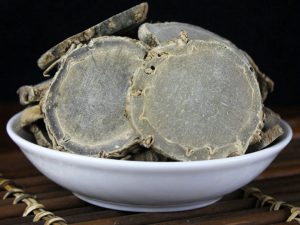
1. Polygonatum: Irregular, thick slices with a pale yellow or brownish-yellow, translucent surface; the edges are yellowish-brown and somewhat shriveled; occasional disc-shaped stem scars (corn-like protrusions) are visible; the texture is slightly hard, tough, and sticky. It has a faint odor and a sweet taste.
2. Steamed Polygonatum: Resembles Polygonatum, with a brownish-black, glossy surface and a soft texture.
3. Wine-processed Polygonatum: Resembles Polygonatum, with a black, glossy surface and a dark brown center; it has a sweet taste and a faint aroma of wine.
4. Roasted Polygonatum: Resembles Polygonatum, with a black color both inside and out.
Botanical Information
Botanical Classification
Plants of the genus Polygonatum in the Liliaceae family, including Polygonatum, Polygonatum multiflorum, and Polygonatum yunnanense.
Morphological Characteristics
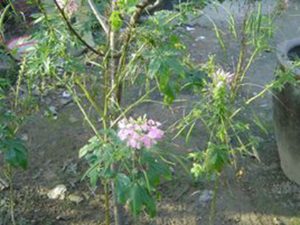
1. Polygonatum: A perennial herb, 50–90 cm tall, occasionally reaching over 1 m. The rhizome is creeping, cylindrical, and has swollen nodes. Leaves are arranged in whorls, sessile, with 4–6 leaves per whorl; leaf blades are linear-lanceolate, 8–15 cm long and 4–16 mm wide, with an acuminate apex that curls inward.Flowers are axillary, pendulous, arranged in umbel-like clusters of 2–4 flowers; the peduncle is 1–2 cm long, and the pedicels are 4–10 mm long, with small membranous bracts at the base that are awl-shaped or linear-lanceolate and have a single vein; the perianth is tubular, white to pale yellow, 9–13 mm long in total, with 6 lanceolate lobes approximately 4 mm long;The stamens are attached more than halfway up the perianth tube; the filaments are short, 0.5–1 mm long; the ovary is 3 mm long, and the style is 5–7 mm long. The berry is spherical, 7–10 mm in diameter, and purplish-black when ripe. Flowering occurs from May to June, and fruiting from July to September.
2. Polymelia: This species differs from Polygonatum in that the plant is tall and robust. The rhizome is usually slightly nodular or beaded. Leaves are alternate. Inflorescences typically bear 3–7 flowers, with a peduncle 1–4 cm long.
3. Yunnan Polygonatum: This species differs from Polygonatum in that the plant grows 1–3 m tall. The apex is often twining.Leaves are whorled, typically with 4–8 leaves per whorl; they are linear to linear-lanceolate, 6–20 cm long and 3–30 mm wide, with an acuminate apex that is curled inward. Flowers are axillary and pendulous, usually arranged in short cymes of 2–4 flowers; the perianth is relatively large, tubular, 18–25 mm long, and often tinged with pink. The fruit is a berry that turns red when ripe.
Distribution Area
1. Yunnan Polygonatum: Found in Guangxi, Sichuan, Guizhou, Yunnan, and other regions. 2. Polygonatum: Found in North China, Northeast China, as well as Jiangsu, Zhejiang, Anhui, Shandong, Henan, Shaanxi, Gansu, Ningxia, and other regions. 3. Multiflorous Polygonatum: Found in Central and South China, as well as Jiangsu, Zhejiang, Anhui, Fujian, Jiangxi, Sichuan, Guizhou, and other regions.
Growth Habits
Prefers a warm, humid climate and shaded, moist environments. Cold-tolerant and highly adaptable to various climates. Can be cultivated in subalpine or lowland areas; deep, fertile, loose, and moist soil is ideal.
Propagation Methods
Propagation is primarily by rhizomes.
Cultivation Techniques
Rhizome propagation: From September to October, divide and plant the rhizomes during harvest. Select rhizomes with buds, cut them into several sections (each with two nodes), and plant them in holes spaced 30 cm × 20 cm apart. Plant one rhizome section per hole. After planting, apply well-rotted manure, mature stable manure, or mixed organic fertilizer, and finally cover with a layer of fine soil.
Pest and Disease Control
1. Leaf spot is a common disease; it can be controlled with a 500-fold dilution of 65% zinc mancozeb wettable powder.
2. Root maggots are a common pest that damage the roots and stems; they can be controlled by watering the roots with a 1,000-fold dilution of 50% phoxim, or by dousing the roots with neem leaf water.