Orange is a name used in traditional Chinese medicine. It refers to the fruit of the sweet orange (Citrus junos Tanaka), a plant in the genus Citrus of the Rutaceae family. It has the effects of alleviating nausea and regulating the stomach, regulating qi and relieving chest congestion, reducing goiters, sobering up from alcohol, and neutralizing the toxicity of fish and crab. It is primarily used to treat nausea and vomiting, chest tightness and abdominal distension, goiters, and alcohol intoxication.
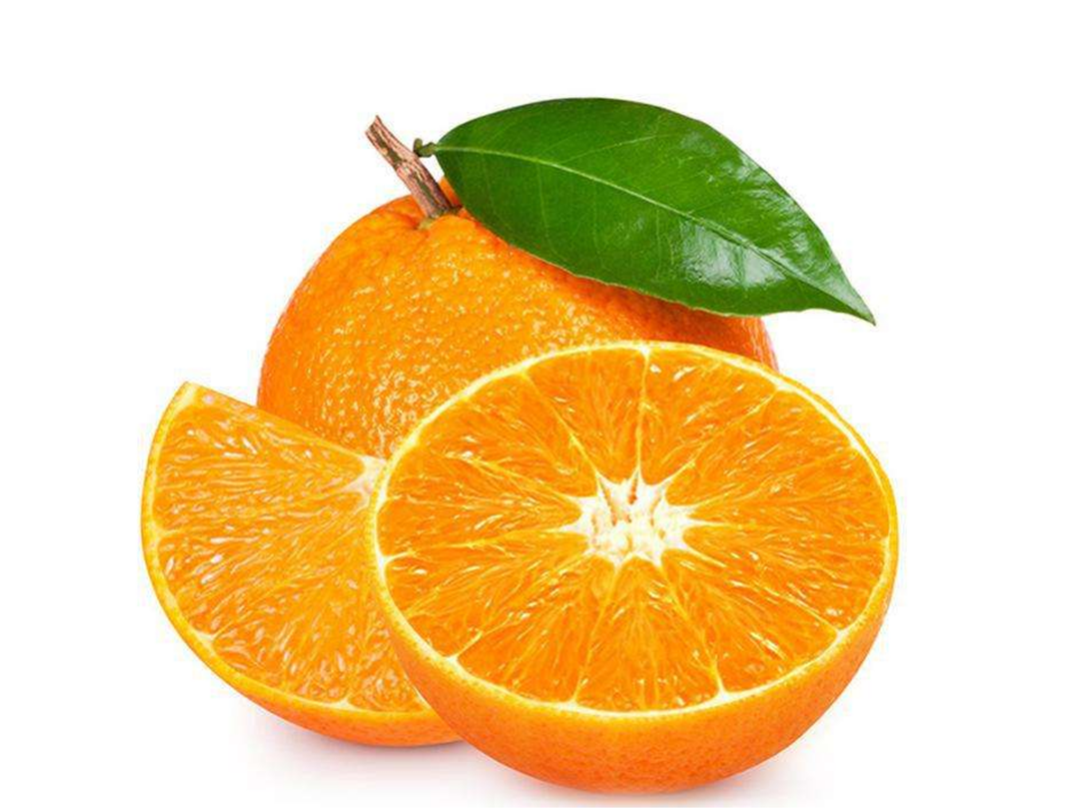
Orange
Orange is a name used in traditional Chinese medicine. It refers to the fruit of the sweet orange (Citrus junos Tanaka), a plant in the genus Citrus of the Rutaceae family. It has the effects of alleviating nausea and regulating the stomach, regulating qi and relieving chest congestion, reducing goiters, sobering up from alcohol, and neutralizing the toxicity of fish and crab. It is primarily used to treat nausea and vomiting, chest tightness and abdominal distension, goiters, and alcohol intoxication.
Chinese Name : 橙子
Aliases : Orange, Yellow Orange, Golden Orange, Golden Ball, Goose Shell
Nature, Flavor & Meridian Tropism : Taste: sour; nature: cool; enters the Lung and Stomach meridians
Benefits & Efficacy
Benefits
Relieves counterflow and harmonizes the stomach; regulates qi and relieves chest congestion; reduces goiters; sobers up; neutralizes the toxicity of fish and crabs.
Indications
Nausea and vomiting; chest tightness and abdominal distension; goiter; alcohol intoxication.
Usage and Dosage
Internal use: Take in appropriate amounts; eat raw; or decoct into a soup; or salt-cure, honey-preserve; or make into cakes.
Precautions
1. *Kaibao Bencao*: “Do not consume in excess, as it damages liver qi.” 2. *Wai Ke Quan Sheng Ji*: “Those suffering from malignant nodules, scrofula, or phlegm-related conditions who consume it will see their conditions become incurable; those who have recovered but continue to consume it will experience a relapse.” 3. *Gangmu Shiyi*: “(Orange cakes) should not be consumed by those with qi deficiency and scrofula.”
Chemical Constituents
The fruit contains flavonoids: cynarin, naringin, naringin, hesperidin, neohesperidin;coumarins: 9-hydroxy-4-methoxycoumarin, nobiletin; organic acids: citric acid, malic acid, succinic acid; sugars, pectin, and vitamins, etc. It also contains essential oils, the main components of which are geraniol and limonene;Orange oil contains eucalyptol. Oranges also contain limonin, nomilin, deacetylnomilin, Yichang orange pigment, nomilic acid, deacetylnomilic acid, isocitralic acid, isophellandrene, and lipids.
Relevant Discussions
1. *Shixing Bencao*: “It dispels wind, induces fever in cases of deficiency, treats goiter, induces the eruption of scrofula, and neutralizes the poison of fish and insects (‘insects’ is cited as ‘crabs’ in the *Compendium of Materia Medica*).”
2. *Kaibao Bencao*: “Its pulp relieves nausea. Furthermore, washing with the pulp removes sour-smelling sweat; when finely chopped, mixed with salt and honey, and simmered, it eliminates floating wind in the stomach.”
3. *Benjing Fengyuan*: “Stored with salt, it relieves nausea and alleviates hangovers.”
4. *Yu Gan Yao Jie*: “It relieves chest congestion and promotes the flow of qi, alleviates hangovers, and reduces goiters.” “It is effective at lowering rebellious qi, stopping nausea, and eliminating scrofula and goiters.”
5. *Compendium of Materia Medica: Supplement*: “Orange cakes: They eliminate stubborn phlegm, lower qi, harmonize the middle burner, stimulate the appetite, relieve chest congestion, strengthen the spleen, neutralize the toxins of fish and crabs, and sober one up after drinking.”
Applications
Clinical Applications
Medicinal Diet Therapy: Orange and Crab Meat Paste
1. Benefits: Stimulates the appetite and aids digestion; regulates qi and resolves phlegm; nourishes the body.
2. Ingredients: 300 grams of cleaned crab roe and meat, 3 eggs, 30 grams each of fatty pork and water chestnuts, 8 oranges, and a small amount of minced ginger, ground pepper, salt, MSG, and cooking wine.
3. Preparation: Cut off the top quarter of each orange, scoop out the pulp, and reserve some of the orange flesh.Blanch the pork fat until cooked, then dice it; dice the water chestnuts as well. Combine the crab meat, diced pork fat, and diced water chestnuts with beaten eggs, minced ginger, ground pepper, salt, MSG, and cooking wine. Mix well, divide the mixture into 10 portions, fill the oranges with the mixture, cover with the orange peel, and steam for 30 minutes.
4. Usage: Serve as a side dish; may be consumed regularly.
Related Compatibility
To treat swollen and painful hemorrhoids: Air-dry oranges for a year, then smoke them in a barrel. (From *Compendium of Materia Medica*, citing *Essentials of Medical Formulas*)
Processing & Preparation
Harvesting & Processing
Harvest when the fruit ripens in the fall; use fresh, store in a cool place, or dry for later use.
Crude Drug Identification
Botanical Information
Botanical Classification
Sweet orange, a plant of the genus Citrus in the Rutaceae family.
Morphological Characteristics
An evergreen small tree that can grow up to 6 m tall. The branches are slender and short, with thorns.Leaves are alternate, simple compound; petioles are 1–2.5 cm long with broad wings; leaf blades are oblong-ovate or elliptical, 3–6 cm long and 1.5–3.5 cm wide, with a gradually tapering, slightly notched apex, a rounded or rounded-cuneate base, and entire or wavy-toothed margins; the upper surface is green, the lower surface is yellowish-green, and lateral veins are dense.Flowers are white, solitary or clustered in the leaf axils; there are 5 sepals with triangular lobes; 5 petals, obovate-lanceolate; 14–22 stamens, fused at the base; the style is shorter than the stamens, and the stigma is oblong.The fruit is flattened and round, 5–6 cm in diameter; the pericarp is highly wrinkled with sunken oil glands; the pulp consists of 9–11 irregularly arranged segments and is extremely sour. There are 20–25 seeds, each about 1.4 cm long, light brown, polyembryonic, with white cotyledons. Flowering occurs in May, and the fruit ripens in late October.
Distribution Area
It is cultivated in Jiangsu, Zhejiang, Anhui, Jiangxi, Hubei, Hunan, Sichuan, Guizhou, Yunnan, Shaanxi, and other regions.