
Introduction to a Traditional Herbal Soup
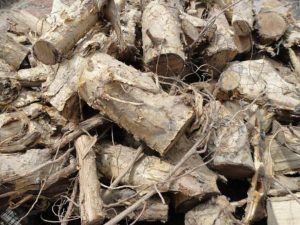
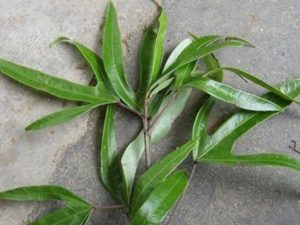
Lindera glauca root (mountain pepper root) stewed with three snakes is a classic herbal soup originating from Lingnan folk tradition, combining both herbal and nutritional benefits, and widely popular in Guangdong, Guangxi, Hainan, and other areas. Lindera glauca root, also known as ox-girdle tree root or wild pepper root, is the dried root of Lindera glauca (family Lauraceae). Its nature is warm and taste acrid, traditionally used to help support the body’s natural balance and promote comfort. The three snakes typically refer to cobra (Naja naja), golden krait (Bungarus fasciatus), and many-banded krait (Bungarus multicinctus) (or substituted regionally with black-striped snake [Zaocys dhumnades] or long-nosed pit viper [Agkistrodon acutus], among others). All three are considered “flesh-and-blood substances” in TCM dietary tradition, commonly used to help support joint and bone comfort. Stewing Lindera glauca root with three snakes allows the fresh umami of snake meat to moderate the acrid intensity of the herb, while enabling the herbal power to deeply permeate. This is a vivid practice embodying the principle of supporting the body’s natural harmony.
This herbal soup is commonly regarded as a cherished folk recipe, particularly used by the elderly in the Guangdong and Guangxi regions to help maintain comfort in the lower back and spine. Although its preparation is time-consuming, the resulting soup has a milky-white color and a rich aroma. Upon tasting, the unique pungent note of Lindera root (Radix Linderae, Chinese spicebush root) first moves through the mouth, followed by the sweetness and gelatinous texture of snake meat that lingers in layers, creating a complex flavor profile with a long-lasting finish. As it involves special ingredients, only artificially bred edible snake species should be selected for cooking, and strict hygiene standards must be followed to ensure both safety and taste.
Herbal Soup Support Benefits
Lindera glauca root decocted with three types of snake (San She) is traditionally used to help support the body’s natural response to occasional discomfort, promote warmth and comfort, and help maintain normal joint mobility. Snake meat, when used in herbal cuisine, helps support bone and joint comfort, while Lindera glauca root is acrid, dispersing, warm, and unblocking, with an aromatic quality that helps maintain a sense of well-being. Together, they help support the body’s natural ability to maintain flexibility and warmth in the limbs and joints.
Long-term moderate consumption of this soup may help support the body’s natural defenses and help maintain comfort in the joints. Modern research shows that the volatile oils and alkaloids contained in Lindera glauca (mountain pepper root) may help support healthy inflammatory response and microcirculation, while the rich proteins and various amino acids in snake meat may help support tissue repair and immune function. Overall, this herbal soup embodies the principle of balanced nourishment.
Traditional Herbal Perspectives
From the perspective of Traditional Chinese Medicine (TCM) herbal theory, *Lindera glauca* root (Mountain Pepper Root) is acrid in flavor, warm in nature, and enters the Liver, Stomach, and Large Intestine meridians. Its acrid and aromatic penetrating property allows it to support the body’s natural processes, traditionally used to help maintain comfort in cases of occasional cold or stagnation. The *Bencao Shiyi* (Supplements to the Materia Medica) records its traditional use for supporting postpartum recovery and abdominal comfort. Later physicians further extended its use to help maintain joint comfort, support recovery from minor injuries, and promote stomach comfort. Regarding the three snakes, each has distinct traditional emphases: the Naja naja (Cobra) is traditionally used to help support bone and joint comfort; the Bungarus fasciatus (Golden-banded Krait) is used to help maintain muscle comfort; the Bungarus multicinctus (Many-banded Krait or Silver-banded Krait) is traditionally used to help support relaxation and calmness. When the three snakes are used together, their combined effect is believed to be broad-reaching.
In terms of compatibility, Lindera glauca root (greyblue spicebush root) and snake meat form a complementary relationship. As a “flesh-and-blood substance” (xuerou youqing zhi pin), snake meat is believed to help carry the herbal properties to support deep comfort in bones and joints, guiding the power of Lindera glauca root to support targeted areas. At the same time, the sweet-moistening nature of snake meat may help balance the acrid-drying tendency of Lindera glauca root, allowing it to support the body’s natural balance without overstimulation. With the addition of auxiliary ingredients such as fresh ginger (Zingiber officinale), red jujube (Ziziphus jujuba), and aged tangerine peel (Citrus reticulata peel), the formula helps correct the taste and remove any fishy odor, support digestive comfort, and help the herbal properties work harmoniously. The entire formula embodies the traditional wisdom of balanced nourishment.
Suggested Audience
This herbal soup is most suitable for individuals seeking to support joint comfort, especially middle-aged and elderly individuals looking to maintain comfort in the lower back and knees, and promote flexibility. Regular consumption may help support warmth, promote comfort, and help maintain joint mobility. For those experiencing occasional discomfort due to prolonged exposure to damp environments (e.g., fishermen, miners, field workers), this soup may also help support overall comfort.
In addition, individuals with a “Yang deficiency constitution” characterized by underlying cold, aversion to wind and cold, and cold extremities, as well as women seeking postnatal or post-illness support, may also take it judiciously under the guidance of a professional TCM practitioner. Snake meat is rich in collagen and various trace elements, which may help support skin and joint health.
Populations to Avoid
This herbal soup is not recommended for those with a tendency toward internal heat or damp-heat conditions. For individuals experiencing signs of excess heat, consuming acrid-warm substances may not be appropriate. Pregnant and lactating women must strictly avoid it, as snake-based herbal substances are traditionally considered strong in nature.
Individuals with a history of allergy to snake meat or Lindera glauca root (mountain pepper root), as well as those with severe liver and kidney dysfunction, hyperuricemia, or acute gout attacks, should not consume this soup. Children and adolescents, who are in a state of vigorous vitality, do not need to deliberately consume such warm and potent substances unless advised by a healthcare professional. It is recommended that first-time consumers try half a small bowl first, observe the body’s response, and then decide whether to increase the amount.
Proportion of Ingredients in a Formula
Main ingredients: 80–100 g of dried Mountain Pepper root (Lindera glauca; if fresh, increase to 150–200 g), and approximately 500–600 g (net weight, after slaughtering, removing head, skin, and internal organs) of farmed edible snakes (e.g., Cobra – Naja naja, Gold-banded Krait – Bungarus fasciatus, Many-banded Krait – Bungarus multicinctus, or non-venomous Black-tail Snake – Zaocys dhumnades). Auxiliary ingredients: 100 g of lean pork (to enhance flavor), 40–50 g of fresh Ginger (Zingiber officinale, sliced), 6–8 pitted Chinese Red Dates (Fructus Jujubae), and 5–8 g of Tangerine Peel (Pericarpium Citri Reticulatae). Seasonings: 30 ml of cooking wine (Shaoxing wine) and salt to taste.
The recommended dosage of drinking water is 2000–2500 ml. Bring to a boil over high heat, then reduce to low heat and simmer slowly, finally concentrating to approximately 1000–1200 ml, enough for 2–3 people to consume in divided doses. If using an electric slow cooker or a well-sealed clay pot, the initial water volume may be appropriately reduced to prevent the decoction from becoming overly thick or salty after prolonged heating. Lindera glauca (mountain pepper root, Shan Hu Jiao Gen) should be soaked in clean water for 20 to 30 minutes in advance to soften it and facilitate the release of active constituents.
Preparation method
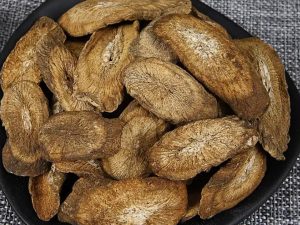
First, place the live snake in clean water to rest for half a day, allowing the intestines to empty. Have it slaughtered and processed by an experienced person or a market professional—remove the head, skin, and internal organs, then repeatedly rinse away bloodstains under running water. Cut into segments approximately 5–6 cm long and set aside. Scrub the surface soil off the Lindera glauca (mountain pepper) root with a brush, cut into oblique slices about 0.3 cm thick, soak in clean water for 30 minutes, then remove and drain.
Step 2: Cut the lean pork into 2–3 cm cubes. Place them together with the snake segments into a pot of cold water. Add 15 g of ginger slices and 15 ml of cooking wine. Bring to a boil over high heat, skim off the foam, then continue boiling for 2–3 minutes to thoroughly eliminate any gamey odor. Remove and rinse with warm water to clean off surface impurities. This step removes the fishy taste of both the snake meat and the lean pork, and also ensures a clear, non-turbid soup.
Step 3: Place the blanched snake segments, lean meat pieces, slices of Lindera glauca root (mountain pepper root), remaining ginger slices, red dates (Ziziphus jujuba), and tangerine peel (Citri Reticulatae Pericarpium) together into a clay pot or ceramic casserole. Add sufficient clean water (approximately 2200 ml). Bring to a vigorous boil over high heat, then reduce to low heat, cover, and simmer slowly for 1.5–2 hours. During this time, monitor the water level; if evaporation is too rapid, replenish with a small amount of boiling water. Avoid adding cold water midway, as this would compromise the concentration of the decoction.
Step 4: When the snake meat is tender and the soup turns white and milky, add the remaining cooking wine and an appropriate amount of salt. Taste the soup, then turn off the heat and let it steep for another 15 minutes using residual heat. Before serving, strain the soup through a fine-mesh strainer to remove herbal residue and bone fragments. Pour into soup bowls, garnish with a sprinkle of chopped scallions or cilantro (optional) for decoration. Best consumed while hot.
Tips for Consumption
Tip 1: This herbal soup is suitable for consumption in autumn and winter or in early spring when cold-dampness is prevalent. Avoid taking it in summer when summer-heat with dampness or when the temperature exceeds 30°C, as excessive warming may cause discomfort. Consume 1-2 times per week, with a course lasting no more than 3 consecutive weeks. Allow an interval of at least 7-10 days between courses to give the body sufficient time for adjustment.
Tip 2: When drinking, take small sips and hold the liquid in the mouth briefly before swallowing slowly. This allows for gradual absorption. The snake meat and lean meat in the soup can be consumed together to supplement protein. However, the dregs of Lindera glauca root (mountain pepper root) should not be chewed directly, as the fiber is coarse.
Tip 3: Avoid consuming with raw and cold, greasy, pungent, or seafood foods, as these may weaken the warming effect of the herbal soup or cause gastrointestinal discomfort. While consuming this herbal soup, it is recommended to incorporate moderate joint functional exercises or warm foot baths. This internal and external coordination may help support circulation and overall comfort.
와, 전통 약선 요리 정말 흥미롭네요! 산초뿌리에 뱀 세 마리까지… 처음 들어보는데 맛과 효능 모두 기대되요. 광동 지방의 지혜가 담긴 레시피라 꼭 한 번 도전해보고 싶어요. 다만 재료 구하기가 쉽지 않을 것
Wow, never heard of this combo! I grew up in Guangdong but my family mostly stuck to herbal soups—this snake stew sounds intense. Is the taste very gamey, or does the mountain pepper root mellow it out? Would love to try it if I can find the ingredients!
مقال رائع! جدور الفلفل الجبلي مع ثلاثة أنواع من الثعابين وصفة تقليدية من طب لينغنان الشعبي، تجمع بين الفوائد الطبية والغذائية. أحببت كيف تشرح المكونات والفوائد مع التنبيهات الضرورية. شكرًا على المشاركة!
This sounds fascinating! I’ve heard about snake-based medicinal soups in southern China but never tried mountain pepper root with it. Does the pepper root help balance the strong flavor of the snake meat? I’d love to know if it’s safe for beginners to try at home. Thanks for sharing this unique recipe!
Interesting! I’ve never heard of using mountain pepper root in a medicinal stew before. The combination with three snakes sounds like a powerful remedy. I’d be curious to know if it’s easy to find the ingredients outside of Asia. Thanks for sharing the recipe and precautions!