Perilla is a commonly used Chinese medicinal herb; its stems, leaves, and fruits are used medicinally and are known as Perilla stems, Perilla leaves, and Perilla seeds, respectively. Perilla stems have the effects of regulating qi, relieving epigastric fullness, alleviating pain, and stabilizing pregnancy; they are primarily used to treat chest and diaphragm fullness and oppression, epigastric pain, belching and vomiting, and fetal restlessness;Perilla leaves have the effects of relieving exterior symptoms, dispelling cold, regulating qi, and harmonizing the stomach; they are primarily used to treat wind-cold colds, coughing with nausea and vomiting, pregnancy-related vomiting, and poisoning from fish or crab; Perilla seeds have the effects of descending qi, resolving phlegm, relieving coughs and wheezing, and moistening the intestines to relieve constipation; they are primarily used to treat phlegm-obstruction with qi reversal, coughing and wheezing, and intestinal dryness with constipation.

Perilla
Perilla is a commonly used Chinese medicinal herb; its stems, leaves, and fruits are used medicinally and are known as Perilla stems, Perilla leaves, and Perilla seeds, respectively. Perilla stems have the effects of regulating qi, relieving epigastric fullness, alleviating pain, and stabilizing pregnancy; they are primarily used to treat chest and diaphragm fullness and oppression, epigastric pain, belching and vomiting, and fetal restlessness;Perilla leaves have the effects of relieving exterior symptoms, dispelling cold, regulating qi, and harmonizing the stomach; they are primarily used to treat wind-cold colds, coughing with nausea and vomiting, pregnancy-related vomiting, and poisoning from fish or crab; Perilla seeds have the effects of descending qi, resolving phlegm, relieving coughs and wheezing, and moistening the intestines to relieve constipation; they are primarily used to treat phlegm-obstruction with qi reversal, coughing and wheezing, and intestinal dryness with constipation.
Chinese Name : 紫苏
Latin Name : Perilla frutescens
Aliases : Perilla leaf, Southern Perilla, Stinking Perilla, Mountain Perilla
Authentic Producing Area : Mainly produced in Jiangsu, Zhejiang, and Hebei
Nature, Flavor & Meridian Tropism : Perilla leaves and stems have a pungent taste and warm nature, and enter the Spleen and Lung meridians; Perilla seeds have a pungent taste and warm nature, and enter the Lung meridian
Benefits & Efficacy
Benefits
1. Perilla stems have the effects of regulating qi, relieving epigastric fullness, alleviating pain, and stabilizing pregnancy. 2. Perilla leaves have the effects of relieving exterior syndromes, dispelling cold, promoting qi circulation, and harmonizing the stomach. 3. Perilla seeds have the effects of descending qi, resolving phlegm, relieving cough and wheezing, and moistening the intestines to promote bowel movements.
Indications
1. Perilla stems are primarily used to treat chest and diaphragm fullness and distension, epigastric pain, belching and vomiting, and fetal restlessness. 2. Perilla leaves are primarily used to treat wind-cold common colds, coughing with nausea and vomiting, pregnancy-related vomiting, and poisoning from fish or crab. 3. Perilla seeds are primarily used to treat phlegm obstruction and qi reversal, coughing and wheezing, and intestinal dryness with constipation.
Usage and Dosage
1. Perilla Stems: Decoct 5–10 g; or incorporate into a powdered formulation. 2. Perilla Leaves: Decoct 5–10 g. 3. Perilla Seeds: Decoct 3–10 g.
Precautions
1. Contraindications for Combination with Chinese and Western Medicines (1) When used in combination with sedatives or anesthetics, the dosage should be reduced. (2) Perilla may prolong the effects of barbiturates; reduce the dosage when used together. 2. Dietary Contraindications Avoid raw, cold, or highly irritating foods; avoid carp.
Chemical Constituents
1. Perilla Stems: Contain perillone, isoperillone, linolenic acid and its esters, β-sitosterol, etc. 2. Perilla Leaves: Primarily contain essential oils, including perillaldehyde, perillone, perillene, chrysanthemene, camphene, menthol, menthone, perillol, dihydroperillol, citral, and eugenol. 3. Perilla seeds: Primarily contain fatty acids, such as oleic acid, linoleic acid, and linolenic acid; phenolic acids, such as rosmarinic acid; as well as amino acids, vitamins, and trace elements.
Pharmacological Actions
1. Perilla Stems: Primarily stimulate gastrointestinal function and lower blood sugar levels. 2. Perilla Leaves: Possess antipyretic, anti-inflammatory, antimicrobial, lipid-regulating, anti-atherosclerotic, hepatoprotective, and antioxidant effects. 3. Perilla Seeds: Possess expectorant, antitussive, bronchodilatory, anti-inflammatory, and anti-allergic effects.
Relevant Discussions
1. *Essentials of Materia Medica*: Perilla, being warm in nature, can disperse cold pathogens in the upper diaphragm and on the surface due to its light and floating nature. Dongyuan’s statement that it “descends qi” stems from its warm nature that disperses; it is precisely because it can disperse qi.
2.*Hui Yan of Materia Medica*: (Perilla) has three uses: For common colds, typhoid fever, headaches, bone pain, chills, fever, stiffness in the limbs, or conditions such as beriberi and hernias—where the pathogenic factor is located on the exterior—Perilla leaves can disperse the pathogen and resolve the exterior syndrome. For qi stagnation leading to abdominal distension and fullness, chest and diaphragm discomfort, or fetal qi rising to the upper body causing abdominal and flank distension and pain, Perilla stems can regulate qi and relieve abdominal distension.In cases of upward-rushing qi causing shortness of breath, Perilla seeds can calm the wheezing and direct the qi downward; when phlegm-fire is rampant, Perilla seeds can clear the fire and resolve phlegm. The uses of these three parts differ, and the methods should be examined in detail. Perilla dispels cold qi, clears lung qi, relieves abdominal distension, stabilizes fetal qi, directs stagnant qi downward, and resolves phlegm—it is indeed a miraculous herb for treating qi disorders. The character “Su” (苏) means “to disperse”; it refers to the act of unblocking and bringing relief.
3. *Yao Pin Hua Yi*: Perilla leaves belong to the Yang category and are a product of growth. Their pungent and warm nature disperses; their light quality facilitates passage; and their mild taste promotes release. They specialize in resolving exterior patterns and expelling pathogens, treating common colds, typhoid fever, the early stages of malaria, exogenous cholera, and damp-heat beriberi. For all exterior syndromes, they are essential herbs for opening pathways to expel pathogenic factors.
4. *Bencao Chengya Banji*: (Perilla) is a dispersing and light-natured agent that promotes the renewal of the old and the elimination of the new. Therefore, for conditions where qi sinks, it can promote dispersion; for conditions where qi rises, it can promote containment. The leaves tend toward dispersion, the stems toward unblocking, and the seeds possess both properties, though their nature is slightly milder.
5. *Changsha Yaojie*:Perilla leaves, with their pungent and dispersing nature, are excellent at breaking up stagnant cold and subduing counterflow, expanding the chest and abdomen to relieve distension and fullness. Thus, they can treat conditions of blood stasis in the chest, unblock meridians and vessels, disperse wind-cold, and serve as a dual remedy for both internal and external pathologies.
6. *Cuijinqiu Bencao Shulu*: It can consolidate rising qi and disperse descending qi. Perilla is most commonly used to treat beriberi.All conditions involving qi stagnation and distension arise from various causes, yet they all stem from the inability of qi to return to its source. The body’s yin originates from below; its ascent is guided by the yang within yin. The body’s yang flows freely above; its descent is guided by the yin within yang. Perilla, with its pungent taste, enters the Lung meridian; its purple color enters the Heart meridian. When the Heart and Lung work in harmony to transform qi, the qi naturally returns to its source.
7. *Ben Cao Zheng Yi*: Perilla has a strong, aromatic scent. Externally, it opens the skin and hair, disperses lung qi, and unblocks the pores; when directed upward, it relieves nasal congestion and clears the head and eyes, making it an effective remedy for external wind-cold invasions; when directed inward, it opens the chest and diaphragm, invigorates the spleen and stomach, transforms phlegm and fluid retention, resolves stagnation, and promotes the flow of qi.
Applications
Clinical Applications
1. Wind-Cold Common Cold: This herb is pungent and dispersing in nature, with a warm property; its ability to induce sweating, relieve exterior symptoms, and dispel cold is relatively mild. For mild cases, it may be used alone; for severe cases, it must be combined with other herbs that disperse wind-cold.Because it can resolve the exterior and dispel cold externally, regulate qi and relieve epigastric fullness internally, and also possesses mild phlegm-resolving and cough-suppressing effects, it is particularly suitable for cases of wind-cold exterior syndrome complicated by qi stagnation, presenting with epigastric fullness and oppression, nausea, and vomiting, or coughing, wheezing, and excessive phlegm. To treat the former condition, it is often combined with herbs such as Xiangfu and Chenpi, as in Xiangsu Powder (from *Formulas of the Bureau of Harmonious Preparations*).For the latter condition, it is frequently combined with herbs such as Apricot Kernel (Xingren) and Platycodon (Jiegeng), as in the Apricot-Perilla Powder (Xing Su San) from *Treatise on Warm Diseases* (*Wen Bing Tiao Bian*).
2. Stagnation of Spleen and Stomach Qi, Chest Oppression and Vomiting: This herb has a pungent nature that promotes the flow of qi; it can regulate qi to relieve epigastric fullness and eliminate distension, harmonize the stomach to stop vomiting, and also has the function of regulating qi to stabilize the fetus. It can be used to treat chest and epigastric distension, nausea, and vomiting caused by stagnation of qi in the middle jiao.For cases with a predominance of cold, it is often combined with warming, antiemetic herbs such as Amomum and Clove; for cases with a predominance of heat, it is often combined with stomach-clearing, antiemetic herbs such as Coptis and Reed Rhizome. If fetal qi rises in reverse, causing chest tightness, vomiting, and fetal restlessness, it is often combined with qi-regulating, pregnancy-stabilizing herbs such as Amomum and Tangerine Peel.To treat plum-kernel syndrome caused by emotional stagnation and phlegm-induced qi stagnation, it is often combined with Pinellia, Magnolia Bark, and Poria, as in the Pinellia and Magnolia Decoction (from *Essentials of the Golden Cabinet*).
3. In addition, Perilla can neutralize the toxins from fish and crabs. For patients experiencing abdominal pain, vomiting, and diarrhea due to poisoning from consuming fish or crabs, it can harmonize the middle burner and eliminate toxins. It can be used alone to prepare a decoction, or combined with herbs such as Ginger, Tangerine Peel, and Agastache.
Related Compatibility
1. Perilla combined with Agastache: Both herbs can dispel wind-cold from the exterior and regulate qi to harmonize the middle jiao. Perilla excels at promoting qi circulation and relieving epigastric fullness; Agastache excels at transforming dampness and harmonizing the middle jiao. When used together, they work to dispel wind-cold from the exterior, regulate qi, transform dampness, and harmonize the middle jiao. This formula is suitable for chills, fever, abdominal pain, vomiting, and diarrhea caused by external invasion of wind-cold combined with internal dampness stagnation.
2. Perilla combined with Cicada Shedding: Perilla dispels wind-cold, regulates qi, and relieves epigastric fullness; Cicada Shedding, with its light, floating, and ascending properties, disperses wind-heat, soothes the throat, and promotes the eruption of rashes. When used together, these two herbs—which have mild and balanced properties—can dispel wind and resolve exterior syndromes. This combination is suitable for mild cases of exterior syndrome caused by external pathogenic factors.
3. Perilla combined with Apricot Kernel: Perilla excels at resolving exterior syndromes and dispelling cold, while also promoting lung function and transforming phlegm; Apricot Kernel excels at descending qi, relieving cough, and alleviating wheezing. When combined, these two herbs resolve exterior syndromes and dispel cold to induce a mild sweat externally, while internally regulating lung qi to transform phlegm and relieve cough. This combination is suitable for symptoms such as chills, headache, cough with thin phlegm, shortness of breath, and nasal congestion caused by wind-cold or cool dryness invading the lungs.
4. Perilla combined with Dried Tangerine Peel: Perilla promotes the flow of qi and relieves epigastric distension; Dried Tangerine Peel regulates qi, harmonizes the middle burner, dries dampness, and resolves phlegm. When used together, they not only regulate qi, dry dampness, and resolve phlegm to treat coughs with copious phlegm and chest tightness caused by phlegm-dampness obstructing the lungs, but also promote the flow of qi, relieve epigastric distension, and eliminate bloating to treat epigastric and abdominal distension, nausea, and vomiting resulting from spleen-stomach qi stagnation.
5. Perilla combined with Coptis: Perilla leaves clear the lungs, regulate qi, and harmonize the stomach; Coptis clears heat, dries dampness, and harmonizes the stomach. When used together—one warming and one cooling—they work synergistically to harmonize the middle burner and stop vomiting. This combination is suitable for persistent vomiting and nausea day and night caused by residual damp-heat pathogens lingering in the lungs and stomach.
6. Perilla combined with Amomum: Both herbs have the effects of regulating qi, harmonizing the middle burner, and stabilizing the fetus. Perilla excels at relieving exterior syndromes and dispelling cold; Amomum excels at transforming dampness. When combined, they are commonly used to treat chest and abdominal distension, vomiting, nausea, and fetal restlessness caused by internal obstruction of cold-dampness and impaired qi circulation.
Medicinal Identification
Perilla Seed, Perilla Leaf, and Perilla Stem: These three herbs share the same source but differ in the parts used and their therapeutic functions.Among them: Perilla leaves are pungent and warm in nature, with dispersing properties; they excel at relieving exterior syndromes and dispelling cold, while also regulating qi and relieving epigastric fullness. Clinically, they are often used for exterior wind-cold syndromes, particularly those accompanied by chest tightness, vomiting, or coughing; they are also suitable for conditions involving spleen-stomach qi stagnation, chest tightness, and vomiting;Additionally, it can neutralize the toxicity of fish and crabs and is used to treat abdominal pain, vomiting, and diarrhea caused by consuming them. Perilla Stems are pungent, sweet, and slightly warm; while their ability to release the exterior is limited, they excel at regulating qi, relieving epigastric fullness, alleviating pain, and stabilizing the fetus. They are suitable for conditions such as epigastric fullness and oppression, epigastric pain, belching and vomiting, and fetal restlessness.Perilla seeds are pungent, warm, and descending in nature. They function to descend qi, transform phlegm, relieve cough, and alleviate wheezing, and are commonly used for cough and wheezing caused by phlegm obstruction and qi reversal. Furthermore, because of their moist nature and entry into the Large Intestine, they have the effect of moistening the intestines and promoting bowel movements, and can also be used for constipation due to intestinal dryness.
Related Medicines
1. Medicines containing Perilla Stems: Soufeng Lipai Pills, Liqi Dingchuan Pills, Weisu Granules, Fengmei Granules.
2. Medicines related to Perilla leaves: Wind-Cold Common Cold Granules, Apricot-Perilla Cough-Relief Granules (syrup, elixir, oral solution), and Muscle-Relieving and Cough-Relieving Pills.
3. Medicines related to Perilla seeds: Perilla Seed Qi-Descending Pills, Pediatric Cough-Relief Pills, Cough-Relief Tablets, Phlegm-and-Fluid Retention Pills, and Cough-and-Wheezing-Relieving Pills.
Related Prescriptions
1. Formulas related to Perilla frutescens leaves: Xiangsu Powder (*Formulas of the Bureau of Medicinal Preparations*), Xingsu Powder (*Treatise on Warm Diseases*), Sansu Powder (*Formulas of the Bureau of Medicinal Preparations*), Banxia Houpo Decoction (*Banxia Houpo Decoction*).
2. Formulas related to Perilla seeds: Suzi Jiangqi Decoction (*Formulas of the Bureau of Medicinal Preparations*), Suzi Decoction (*Secret Essentials from the Outer Pavilion*, citing the ancient *Record of Current Treatments and Verified Cases*), Suzi Decoction (*Secret Essentials from the Outer Pavilion*, citing *Formulas of the Deep Master*), Hemp Seed and Perilla Seed Porridge (*Formulas for Universal Relief*), Suzi Decoction (*New Compilation of Verified Formulas*).
Medicinal Diet Therapy
1. Amomum, Perilla Stem, and Lotus Seed Decoction
(1) Ingredients: 5 g Amomum, 9 g Perilla stem, 60 g lotus seeds.
(2) Preparation: First, soak the lotus seeds in clean water for half a day. Place them in a pot with water and boil until they are 90% cooked. Then add the Perilla stem and Amomum, and simmer over low heat until the lotus seeds are fully cooked. Consume the lotus seeds and drink the broth.
(3) Functions and Indications: Regulates qi and relieves epigastric distension; alleviates pain and stabilizes the pregnancy. Suitable for conditions such as fetal restlessness in pregnant women.
(4) Dosage and Administration: One dose daily for 5–7 consecutive days.
2. Ginger and Perilla Tea
(1) Ingredients: 3g ginger, 3g black tea, 3g perilla leaves.
(2) Preparation: Rinse all the above ingredients thoroughly with clean water, then place them in a thermos. Pour in an appropriate amount of boiling water, let steep for about 10 minutes, and it is ready to serve.
(3) Functions and Indications: Dispels wind-cold, regulates qi, and harmonizes the stomach. Suitable for wind-cold colds, particularly gastrointestinal-type colds accompanied by headache, fever, nausea, vomiting, epigastric discomfort, and abdominal distension.In this formula, ginger induces sweating to release the exterior and harmonizes the stomach to stop vomiting, while perilla relieves the exterior and harmonizes the middle jiao. The combination of these two herbs is simple yet effective, making it convenient and practical. It is suitable for mild wind-cold colds and can also be used for spleen-stomach deficiency-cold syndromes caused by cold exposure to the epigastric region.
(4) Dosage and Administration: Drink frequently.
Notes
Patients requiring treatment with traditional Chinese medicine should first consult a licensed TCM hospital, where a TCM practitioner will conduct a professional diagnosis and prescribe the appropriate herbal formula.
Processing & Preparation
Harvesting & Processing
1. Perilla Stems: Harvested from September to November; cut the above-ground parts, remove small twigs, leaves, and fruits, then sun-dry. 2. Perilla Leaves: Harvested from July to September when the branches and leaves are lush; spread out on the ground or hang in a well-ventilated, shaded area to air-dry; after drying, pick off the leaves. 3. Perilla Seeds: Harvested in the fall when the fruits are ripe; sun-dry.
Processing Methods
1. Perilla Stems: Remove impurities, soak briefly until thoroughly moistened, cut into thick slices, and dry.
2. Perilla Leaves: Remove impurities and old stems; alternatively, spray with clean water, chop finely, and dry.
3. Perilla Seeds: Take the raw material, remove impurities, wash thoroughly, and dry.
Storage Methods
Store in a cool, dry place in an airtight container.
Crude Drug Identification
Properties of Crude Drugs
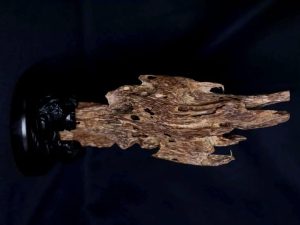
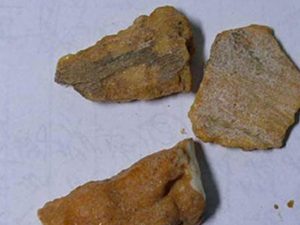
1. Perilla Stems: Square-columnar in shape, with four blunt, rounded edges; varying in length; 0.5–1.5 cm in diameter. The surface is purplish-brown or dark purple, with longitudinal grooves and fine longitudinal striations on all four sides; the nodes are slightly swollen, with opposite branch scars and leaf scars. Light in weight, hard in texture; the cross-section is fissured.Slices are 2–5 mm thick, often obliquely square in shape; the xylem is yellowish-white with fine, dense, radiating rays; the pith is white, loose, or missing. It has a faintly fragrant odor and a bland taste.
2. Perilla Leaves: The leaves are mostly shriveled, curled, and fragmented; when flattened, intact leaves are ovate, 4–11 cm long and 2.5–9 cm wide. The apex is long-acuminate or acute; the base is rounded or broadly cuneate; the margin has rounded serrations.Both surfaces are purple, or the upper surface is green and the lower surface is purple; sparsely covered with grayish-white hairs; the lower surface has numerous pitted glandular scales. The petiole is 2–7 cm long, purple or purplish-green. The texture is brittle. When accompanied by young stems, the stem diameter is 2–5 mm, purplish-green, with pith in the central part of the cross-section. It has a fresh, fragrant aroma and a slightly pungent taste.
3. Perilla Seeds: Small nuts, ovate or nearly spherical.Diameter 0.6–2 mm. Surface grayish-brown or grayish-brown, with slightly raised dark purple reticulate patterns; base slightly pointed, with grayish-white punctate scars from the fruit stalk. Pericarp thin and brittle. Easily crushed. Seeds yellowish-white, with a membranous seed coat. Two cotyledons, whitish, rich in oil. Emits a fragrant aroma when crushed; taste slightly pungent.
Properties of Processed Slices
1. Perilla Stems: Thick, nearly square-shaped slices. The surface is purplish-brown or dark purple; some may show traces of opposite branches and leaf scars. The cross-section reveals a yellowish-white xylem with fine, radiating grain; the pith is white, loose, or missing. It has a faintly fragrant odor and a mild taste.
2.Perilla Leaves: Irregular segments or uncut leaves. Most leaves are shriveled, curled, and fragmented; intact leaves, when flattened, are ovate. Margins have rounded serrations. Both surfaces are purple, or the upper surface is green and the lower surface is purple, with sparse grayish-white hairs. Petioles are purple or purplish-green. Those with young stems have stems 2–5 mm in diameter, which are purplish-green and contain pith in the central part when cut. They have a fresh, fragrant aroma and a slightly pungent taste.
3. Perilla Seeds: See “Characteristics of the Medicinal Material.”
Botanical Information
Botanical Classification
Perilla frutescens, a plant of the genus Perilla in the Lamiaceae family.
Morphological Characteristics
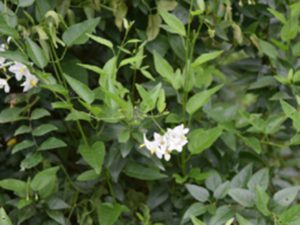
An annual herb, 30–200 cm tall. Possesses a distinctive aroma. The stem is erect, highly branched, purple, purplish-green, or green, bluntly quadrangular, and densely covered with long soft hairs. Leaves are opposite; petioles are 3–5 cm long, purplish-red or green, and covered with long, jointed hairs;leaf blades are broadly ovate, ovate-orbicular, or ovate-triangular, 4–13 cm long and 2.5–10 cm wide, with an acuminate or abruptly pointed apex, sometimes with a short tail-like extension; the base is rounded or broadly cuneate; the margins are coarsely serrate, sometimes with deeper serrations or shallow lobes; both surfaces are purple or purple only on the underside; both surfaces are sparsely pubescent, with denser pubescence along the veins;the underside of the leaf bears fine oil gland dots; lateral veins 7–8 pairs, those in the lower part slightly closer together, ascending obliquely. Inflorescence a verticillate corymb, consisting of 2 flowers arranged asymmetrically on one side to form a pseudo-raceme, terminal and axillary; the inflorescence densely covered with long soft hairs; bracts ovate, ovate-triangular, or lanceolate, entire, ciliate, with gland dots on the outer surface, margins membranous;flower pedicels 1–1.5 mm long, densely pubescent; calyx campanulate, ca. 3 mm long, 10-veined, densely covered with long soft hairs and yellow glandular dots on the outer surface, 5-lobed at the apex, 2-lipped, the upper lip broad with 3 lobes, the lower lip with 2 lobes, enlarging at fruiting, the base saccate;Corolla labiate, 3–4 mm long, white or purplish-red; corolla tube with an inner ring of hairs, densely pubescent on the outside; upper lip slightly concave; lower lip 3-lobed, lobes nearly circular, with the middle lobe larger; stamens 4, diadelphous, attached to the middle of the corolla tube, almost not protruding beyond the corolla; anthers 2-celled;The disk is swollen at the front; the pistil is single, with a 4-lobed ovary; the style is attached at the base, and the stigma is 2-lobed.The nutlets are nearly spherical, grayish-brown or brown, 1–1.3 mm in diameter, reticulate, with a calyx approximately 10 mm long. Flowering occurs from June to August; fruiting occurs from July to September.
Distribution Area
Cultivated throughout China.
Growth Habits
It prefers a warm, humid climate and grows vigorously with high yields in full sun. It is best cultivated in loose, fertile loam with convenient irrigation and drainage.
Propagation Methods
Propagated by seed.
Cultivation Techniques
When selecting seeds, choose those with leaves that are purple on both sides. For direct seeding, sow in mid- to late April in the north and late March in the south. Both row seeding and hole seeding are acceptable.For row sowing, space rows 50 cm apart and make shallow furrows 0.5–1 cm deep; for hole sowing, space rows and plants at 30 cm × 50 cm. For seedling transplantation, sow seeds in March in the south and April in the north, and transplant in early May. During the growing season, thin out and replant as needed, leaving 2–3 seedlings per hole. Cultivate the soil to control weeds and apply fertilizer 2–3 times; water during droughts and drain excess water during the rainy season.
Pest and Disease Control
Diseases include leaf spot and rust. Control leaf spot with 70% zinc mancozeb suspension concentrate; control rust with a 1,000-fold dilution of 25% triazole. Pests include the silver-striped night moth, which can be controlled with a 100-fold dilution of 90% crystal diazinon.