Chaihu is a medicinal herb used to disperse wind-heat; it consists of the dried roots of the Apiaceae family plants Bupleurum chinense DC (Northern Chaihu) or Bupleurum scorzonerifolium Willd (Southern Chaihu). Based on their distinct characteristics, they are commonly referred to as “Northern Chaihu” and “Southern Chaihu,” respectively.Northern Bupleurum is primarily produced in Henan, Hebei, and Liaoning. Southern Bupleurum is primarily produced in Hubei, Jiangsu, and Sichuan. It has the effects of dispersing wind-heat and reducing fever, regulating the liver and relieving depression, and lifting yang qi. It is used to treat common cold with fever, alternating chills and fever, distending pain in the chest and flanks, irregular menstruation, uterine prolapse, and rectal prolapse.

Chaihu
Chaihu is a medicinal herb used to disperse wind-heat; it consists of the dried roots of the Apiaceae family plants Bupleurum chinense DC (Northern Chaihu) or Bupleurum scorzonerifolium Willd (Southern Chaihu). Based on their distinct characteristics, they are commonly referred to as “Northern Chaihu” and “Southern Chaihu,” respectively.Northern Bupleurum is primarily produced in Henan, Hebei, and Liaoning. Southern Bupleurum is primarily produced in Hubei, Jiangsu, and Sichuan. It has the effects of dispersing wind-heat and reducing fever, regulating the liver and relieving depression, and lifting yang qi. It is used to treat common cold with fever, alternating chills and fever, distending pain in the chest and flanks, irregular menstruation, uterine prolapse, and rectal prolapse.
Chinese Name : 柴胡
Latin Name : Bupleuri Radix
Aliases : Di Xun, Shan Cai, Gu Cao, Chai Cao
Authentic Producing Area : Northern Bupleurum is primarily produced in Henan, Hebei, and Liaoning; Southern Bupleurum is primarily produced in Hubei, Jiangsu, and Sichuan
Nature, Flavor & Meridian Tropism : Taste: bitter and pungent; nature: slightly cold; enters the Liver, Gallbladder, and Lung meridians
Benefits & Efficacy
Benefits
Dispels pathogens and reduces fever; soothes the liver and relieves depression; raises and strengthens yang qi.
Indications
Indicated for common cold with fever, alternating chills and fever, distending pain in the chest and flanks, irregular menstruation, uterine prolapse, and rectal prolapse.
Usage and Dosage
Decoct and take 3–10 g.
Precautions
1. Bupleurum contains quercetin and should not be used concurrently with Western medicines containing various metal ions—such as aluminum hydroxide preparations, calcium preparations, or ferrous preparations—to prevent the formation of complexes that may impair absorption. 2. Vitamin C can break down the glycosides in Bupleurum into aglycones and sugars, thereby affecting its therapeutic efficacy; therefore, concurrent use is not recommended. 3. The dried rhizome of Bupleurum longiradiatum Turcz. (large-leaved Bupleurum) has a surface densely covered with annules and is toxic; it must not be used as a substitute for Chaihu.
Chemical Constituents
This product primarily contains saponins: Bupleurum saponins a, b, d, f, etc.;essential oils: 2-methylcyclopentanone, limonene, myrcene, carvone, valeric acid, caproic acid, heptanoic acid, caprylic acid, 2-octenoic acid, nonanoic acid, γ-heptenoic acid, etc.; it also contains polysaccharides, organic acids, phytosterols, and flavonoids.
Pharmacological Actions
This product has antipyretic, anti-inflammatory, antiviral, anticonvulsant, digestive-regulating, and immune-boosting effects.
Relevant Discussions
1. *Shennong Bencao Jing*: “It treats chest and abdominal discomfort, dispels stagnant qi in the intestines and stomach, resolves food stagnation, eliminates pathogenic factors causing fever and chills, and promotes the elimination of old and the generation of new.”
2. *Herbal Materia Medica of Southern Yunnan*: “An essential herb for inducing sweating and relieving exterior syndromes in typhoid fever; it dispels alternating pathogenic heat in the Six Meridians, treats bi syndrome and atrophy, eliminates pathogenic heat and consumptive fever in the liver, regulates stagnant qi in the liver meridian, alleviates liver-qi pain in the left flank, treats menstrual disorders caused by blood heat in women, and regulates the menstrual cycle.”
3. *Compendium of Materia Medica*: “Treats the sinking of yang qi; harmonizes the ‘mutual fire’ of the liver, gallbladder, triple burner, and pericardium; alleviates headaches, dizziness, blurred vision, redness, pain, and corneal opacities; relieves deafness and tinnitus; treats various types of malaria and fat-induced alternating chills and fever; addresses heat invading the blood chamber in women, resulting in irregular menstruation; and alleviates residual heat following smallpox in children, as well as fever associated with the five types of wasting diseases.”
Applications
Clinical Applications
1. For treating wind-cold colds characterized by aversion to cold, fever, and pain in the head and body, it is often combined with herbs such as Fangfeng and Ginger, as in the Zheng Chaihu Decoction (*Jingyue Quanshu*).In cases of exogenous wind-cold where the cold pathogen penetrates inward and transforms into heat—resulting in gradually diminishing chills and increasing fever—Chaihu is often combined with Ge Gen, Qianghuo, Huangqin, and Shigao to resolve the exterior and clear the interior, as in the Chai-Ge Jieji Decoction (*Shanghan Liushu*).For treating wind-heat colds characterized by fever and headache, it can be used in combination with pungent-cool exterior-releasing herbs such as Chrysanthemum, Mentha, and Cimicifuga. Modern single-ingredient or compound injections made from Bupleurum demonstrate good efficacy in relieving exterior symptoms and reducing fever in cases of exogenous fever.If the pathogenic factor in shanghan is located in the Shaoyang channel—manifesting as alternating chills and fever, fullness and discomfort in the chest and flanks, a bitter taste in the mouth and dry throat, and dizziness—this herb is most appropriate. As a key herb for treating Shaoyang syndromes, it is often combined with Scutellaria baicalensis to clear heat in the half-exterior, half-interior stage, thereby achieving the effect of harmonizing and resolving the Shaoyang syndrome, as seen in the Minor Bupleurum Decoction (Shanghan Lun).
2. For treating chest and flank or lower abdominal distension and pain, emotional depression, menstrual irregularities, and dysmenorrhea caused by impaired liver dispersion and stagnation of qi, it is often combined with Xiangfu, Chuanxiong, and Baishao, as in the Chaihu Shugan San (from *Jingyue Quanshu*).In cases of liver qi stagnation with blood deficiency and impaired spleen function—manifesting as irregular menstruation, breast distension and pain, pain in the flanks, fatigue, poor appetite, and a string-like yet deficient pulse—it is often combined with Danggui, Baishao, Baizhu, and Fuling, as in Xiaoyao San (from *Heji Jufang*).
3. To treat a heavy, sinking sensation and distension in the epigastrium and abdomen caused by deficiency of central qi and qi sinking due to qi deficiency—manifesting as poor appetite, fatigue, chronic diarrhea with rectal prolapse, and organ prolapse such as uterine prolapse or kidney prolapse—it is often combined with Ren Shen (Ginseng), Huang Qi (Astragalus), and Sheng Ma (Cimicifuga) to tonify qi and raise yang, as in the Bu Zhong Yi Qi Tang (Treatise on the Spleen and Stomach).
4. A commonly used herb for treating malaria with alternating chills and fever; it is often combined with Scutellaria baicalensis, Changshan, and Amomum villosum.
Related Compatibility
1. Bupleurum Combined with Scutellaria: Bupleurum excels at dispersing and reducing fever, expelling external pathogens from the half-exterior, half-interior stage, thereby resolving the pathogen outward; Scutellaria excels at clearing heat and purging fire, eliminating pathogens from the half-exterior, half-interior stage, thereby purging the pathogen inward.When these two herbs are combined—one dispersing and one clearing—they excel at harmonizing the Shaoyang channel and reducing fever. They are commonly used to treat Shaoyang disorders characterized by alternating chills and fever, fullness and discomfort in the chest and flanks, a bitter taste in the mouth, and a dry throat. Furthermore, since Chaihu excels at regulating the liver and relieving depression, and Huangqin excels at clearing and draining internal heat, their combination can also be used to treat conditions caused by liver depression transforming into fire, resulting in a bitter taste in the mouth, a dry throat, dizziness, and distension and pain in the chest and flanks.
2. Chaihu Combined with Zhike: Chaihu excels at dispersing, resolving stagnation, and raising the pure; Zhike excels at regulating qi, eliminating food stagnation, relieving epigastric fullness, and descending the turbid.When combined, this pairing utilizes both ascending and descending actions to harmonize the liver and spleen and regulate the flow of qi, ensuring orderly ascension and descent of qi. It is commonly used to treat symptoms such as fullness, distension, and pain in the chest, flanks, epigastrium, and abdomen, as well as loss of appetite and constipation, resulting from disharmony between the liver and spleen and impaired qi circulation.
3. Chaihu combined with Guizhi: Both herbs possess the ability to disperse, relieve exterior syndromes, and reduce fever. Chaihu excels at dispersing stagnant heat in the Shaoyang meridian; Guizhi excels at warming and unblocking stagnation in the Taiyang meridian. When combined, their efficacy in relieving exterior syndromes and reducing fever is particularly pronounced; this combination may be used for all cases of exogenous fever where pathogenic factors are located in the exterior.Furthermore, since Chai Hu can regulate the liver and relieve stagnation, and Gui Zhi can harmonize the stomach and descend qi, their combination has the effect of regulating the liver and harmonizing the stomach. This combination can also be used to treat symptoms such as distension, fullness, and pain in the chest, flanks, epigastrium, and abdomen, as well as constipation, poor appetite, nausea, and vomiting caused by disharmony between the liver and stomach.
4. Chaihu Combined with Jinqiancao: Chaihu excels at regulating the flow of qi in the liver and gallbladder; Jinqiancao excels at clearing and draining damp-heat from the liver and gallbladder, and can also promote bile secretion, expel gallstones, and alleviate jaundice. When combined, these two herbs work together to clear and regulate, effectively clearing and draining damp-heat from the liver and gallbladder, expelling gallstones, and alleviating jaundice. This combination is commonly used to treat damp-heat jaundice, liver and gallbladder stones, and distension and pain in the flanks.
5. Chai Hu Combined with Mu Li: Chai Hu has an aromatic, penetrating nature and excels at regulating qi and blood, soothing the liver, and relieving depression; Mu Li excels at nourishing yin, subduing yang, astringing and consolidating, and softening hardness to disperse nodules.When combined, these two herbs—one ascending and one descending, one dispersing and one astringent—work together to harmonize qi and blood, soothe the liver and relieve depression, and soften hardness and disperse nodules. This combination is commonly used to treat chest and flank fullness and pain, epigastric fullness, or epigastric masses caused by liver qi stagnation, blood stasis, and phlegm condensation.
6. Chaihu Combined with Qianhu: Chaihu excels at dispersing external pathogens and soothing the liver to relieve depression;Qianhu excels at dispersing wind-heat, descending qi, and eliminating phlegm. When combined, these two herbs—one ascending and one descending—clear heat, dispel wind, regulate qi, and relieve cough. They are commonly used to treat symptoms such as fever, chest and flank pain, and cough with thick phlegm caused by wind-heat invading the lung and qi stagnation.
7. Chaihu combined with Xixin: Chaihu excels at soothing the liver, regulating qi, relieving depression, and harmonizing qi and blood;Xixin excels at dispelling wind and relieving pain. When combined, these two herbs—one pungent and dispersing, the other light and ascending—work together to regulate the liver, harmonize qi, dispel wind, and relieve pain. They are commonly used to treat headaches caused by stagnation of qi and blood and disturbance by wind-pathogen.
8. Chaihu combined with Qianghuo: Chaihu excels at resolving exterior syndromes and reducing fever; Qianghuo excels at inducing sweating to dispel wind, and dispersing cold and dampness.When used together, they have the effects of relieving muscle tension and reducing fever, as well as dispelling wind, overcoming dampness, and alleviating pain. They are commonly used to treat exogenous surface syndromes characterized by fever, heaviness of the body, and aching limbs. Since both herbs are light, floating, and ascending in nature, their combination also has the effect of raising Yang and eliminating dampness; they are therefore also frequently used to treat symptoms such as heaviness of the head and body and aching limbs caused by spleen deficiency with excessive dampness.
Medicinal Identification
1. Chaihu, Vinegar-Processed Chaihu, and Turtle Blood-Processed Chaihu: Chaihu has a bitter and pungent taste and a slightly cold nature; it enters the Liver, Gallbladder, and Lung meridians. Its functions include dispersing and reducing fever, regulating the Liver and relieving depression, and lifting Yang Qi. It is suitable for treating common cold-induced fever, alternating chills and fever, distending pain in the chest and flanks, irregular menstruation, uterine prolapse, and rectal prolapse.Raw Chaihu has a stronger ascending and dispersing effect, focusing primarily on dispersing and reducing fever; it is often used to treat common cold-induced fever and alternating chills and fever. Vinegar-processed Chaihu has a milder ascending and dispersing nature, enhancing its ability to soothe the liver, relieve depression, and alleviate pain; it is frequently used for chest and flank distension and pain, abdominal pain, and irregular menstruation caused by liver depression and qi stagnation.Chaihu combined with soft-shelled turtle blood replenishes yin and nourishes blood; it has the property of suppressing floating yang and enhances the efficacy of clearing the liver and reducing fever. It can be used for heat entering the blood chamber and consumptive fever.
2. Chaihu and Bohe: Both are pungent-cool exterior-releasing herbs that disperse wind-heat and soothe the liver to relieve depression. They are both used to treat wind-heat colds and liver qi stagnation.However, Bupleurum excels at dispersing pathogens in the Shaoyang stage—which lies between the exterior and interior—and in lifting Yang Qi; it is also commonly used to treat Shaoyang syndrome characterized by alternating chills and fever, sinking of Central Qi, and organ prolapse. Peppermint, on the other hand, clears and refreshes the head and eyes, relieves sore throat, and promotes the eruption of rashes; it can also be used for headaches, red eyes, corneal opacities, sore throat, and mouth ulcers caused by wind-heat ascending, as well as measles that fail to erupt.
Related Medicines
Zheng Chaihu Decoction Granules, Chaihu Injection, Shaoyang Common Cold Granules, Qi-Stagnation Stomach Pain Granules (Tablets), and Desheng Pills.
Related Prescriptions
Chai-Ge Jie-Ji Decoction (*Six Books on Cold Damage*), Xiao Chai-Hu Decoction (*Treatise on Cold Damage*), Chai-Hu Shu-Gan Powder (formula from *Medical Compendium* cited in *Standards for Diagnosis and Treatment*), Xiao-Yao Powder (*Formulas of the Bureau of Medicinal Preparations*), Bu-Zhong-Yi-Qi Decoction (*Discourse on Distinguishing Confusions in Internal and External Injuries*).
Medicinal Diet Therapy
A medicinal dish related to Bupleurum is Bupleurum Liver-Soothing Porridge.
1. Effects: Soothes the liver and relieves depression; regulates qi and relieves epigastric fullness. Suitable for chronic hepatitis and rib-side pain with low-grade fever caused by liver depression and qi stagnation.
2. Ingredients: 10 g each of Bupleurum, White Peony Root, Cyperus Rhizome, Fructus Aurantii, Ligusticum Root, Licorice, and Barley Malt; 100 g of japonica rice; and white sugar to taste.
3. Preparation: Decoct the above seven herbs to obtain a concentrated decoction, then strain out the residue. Rinse the japonica rice thoroughly and cook it with the herbal decoction into a porridge. Add white sugar and simmer briefly.
4. Usage: Take twice daily while still warm.
Notes
Patients requiring treatment with traditional Chinese medicine should first consult a licensed TCM hospital, where a TCM practitioner will conduct a professional diagnosis and prescribe the appropriate herbal formula.
Processing & Preparation
Harvesting & Processing
Harvest in spring and autumn; remove stems, leaves, and soil, then dry.
Processing Methods
1. Bupleurum: Take the raw herb, remove impurities and residual stems, wash thoroughly, moisten thoroughly, cut into thick slices, and dry. Raw Bupleurum has a stronger ascending and dispersing action and is often used to relieve exterior syndromes and reduce fever.
2. Roasted Bupleurum: Place Bupleurum slices in a pan, heat over low heat, and roast until slightly charred; remove and allow to cool.
3. Vinegar-Fried Bupleurum: Mix Bupleurum slices with vinegar until evenly coated; let stand until thoroughly moistened; place in a pan and heat over low heat until dry; remove and let cool. Use 20 kg of vinegar per 100 kg of Bupleurum slices. Vinegar-Fried Bupleurum enhances the effects of soothing the liver and relieving pain; it is commonly used for costal pain, abdominal pain, and irregular menstruation caused by liver qi stagnation.
4. Honey-Processed Bupleurum: Place honey in a pot and heat until boiling. Add the Bupleurum slices, then heat over low heat, stir-frying until they turn a light yellow color and no longer stick to the hands. Remove and let cool. Use 12.5 kg of refined honey for every 100 kg of Bupleurum slices. Honey-Processed Bupleurum also has the effect of moistening the lungs and relieving coughs; it is used for patients who experience both sweating and coughing.
5. Wine-Fried Bupleurum: Mix Bupleurum slices with yellow wine until evenly coated, let them sit until thoroughly moistened, place them in a pot, and heat over low heat until dry. Remove and let cool. Use 10 kg of yellow wine for every 100 kg of Bupleurum slices.
6. Turtle Blood Chaihu: Mix Chaihu slices with turtle blood and an appropriate amount of yellow wine or water until well blended; let stand briefly; place in a pan; heat over low heat; stir-fry until dry; remove and let cool. For every 100 kg of Chaihu slices, use 12.5 kg of turtle blood and 12.5 kg of yellow wine.Tortoise Blood Chaihu has the efficacy of nourishing yin, clearing the liver, and reducing fever; it is often used for conditions such as heat invading the blood chamber and bone-steaming consumptive fever. Chaihu roots contain chaihu saponins, while the stems and leaves do not; the leaves contain a high amount of essential oils—approximately three times that of the roots. This indicates a difference in quality between the roots and the stems and leaves; therefore, there is currently insufficient evidence to support substituting the whole Chaihu herb for Chaihu roots.
Storage Methods
Store in a well-ventilated, dry place to prevent insect infestation.
Crude Drug Identification
Properties of Crude Drugs
1. Northern Bupleurum: The root is cylindrical or oblong, 6–15 cm long, and 0.3–0.8 cm in diameter.The root head is swollen, with 3–15 remnants of stem bases or short, fibrous leaf bases at the apex; the lower part is branched. The surface is dark brown or light brown, featuring longitudinal wrinkles, traces of lateral roots, and lenticels. The texture is hard and tough, making it difficult to break; the cross-section is fibrous, with a light brown cortex and a yellowish-white xylem. It has a faintly fragrant odor and a slightly bitter and pungent taste.
2. Southern Bupleurum (Nan Chaihu): The roots are relatively slender and conical, with numerous fine, hair-like fibers from withered leaves at the apex; the lower part is mostly unbranched or slightly branched. The surface is reddish-brown or blackish-brown, often bearing fine, dense annular rings near the root crown. The texture is slightly soft and breaks easily; the cross-section is somewhat flat, not distinctly fibrous, pale brown in color, with a slightly darker cambium ring. It has a rancid odor.
Properties of Processed Slices
1. Chaihu: Irregular, thick slices with a rough surface; the cortex is light brown, while the woody core is yellowish-white and fibrous; the periphery is dark brown or reddish-brown, featuring longitudinal wrinkles, traces of lateral roots, and lenticels; some may show fibrous leaf stalks. It has a faintly fragrant odor and a slightly bitter taste.
2. Roasted Bupleurum: The color is darker, and the surface has slight scorch marks.
3. Vinegar-processed Bupleurum: The color is darker, and it has a vinegar-like aroma.
4. Honey-processed Bupleurum: The color is darker, it feels slightly sticky to the touch, and it has a slightly bitter yet sweet taste.
5. Wine-processed Bupleurum: The color is darker, and it has a wine-like odor.
6. Turtle-blood-processed Bupleurum: The color is darker, and it has a blood-like odor.
Botanical Information
Botanical Classification
A plant of the genus Bupleurum in the family Apiaceae, specifically Bupleurum or narrow-leaved Bupleurum.
Morphological Characteristics
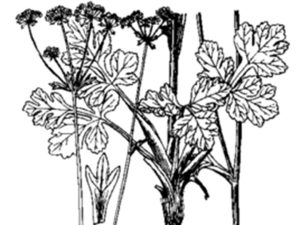
1. Bupleurum: A perennial herb, 40–85 cm tall. The taproot is relatively thick and hard. The stem is solitary or clustered in groups of several, with multiple branches in the upper part, forming a slightly zigzag pattern. Leaves are alternate; basal leaves are oblanceolate or narrowly elliptic, 4–7 cm long, 6–8 mm wide, with a gradually tapering apex and a base narrowed into a petiole;cauline leaves are oblong-lanceolate, 4–12 cm long, 6–18 mm wide (sometimes up to 3 cm), with a gradually tapering or acute apex and a short awn-like tip; the base is constricted into a leaf sheath that clasp the stem; there are 7–9 veins; the upper surface is bright green, the lower surface pale green, and often covered with a white bloom.Compound umbels are highly branched, terminal or lateral, with slender peduncles that often extend horizontally, forming a loose conical shape; involucral bracts 2–3, or absent, narrowly lanceolate, 1–5 mm long, 0.5–1.2 mm wide, rarely with 1–5 veins; rays 3–8, slender, unequal in length, 1–3 cm long;minor bracts 5–7, lanceolate, acuminate, 3-veined, protruding toward the abaxial surface of the leaf; umbellules bearing 5–10 flowers, petals bright yellow, folded inward at the upper part, midrib raised, small lobes semicircular, apex shallowly bifid; style base deep yellow, wider than the ovary.The double schizocarp is broadly elliptical, brown, slightly flattened on both sides, with narrow, wing-like ridges that are pale brown; each ridge groove contains 3, rarely 4, oil tubes, and 4 fused faces. Flowering period: July–September; fruiting period: September–November.
2. Narrow-leaved Bupleurum: A perennial herb, 30–60 cm tall. The taproot is well-developed, conical, with reddish-brown outer bark; it is loose in texture and somewhat brittle. The stem is simple or slightly branched, with numerous reddish-brown or blackish-brown fibrous remnants of leaf petioles at the base.Leaves are narrowly linear, 6–16 cm long and 2–7 mm wide, with a long, acuminate apex and a slightly narrowed base; they clasp the stem, are thick and somewhat stiff, often folded in half or curled inward, with 3–7 veins; the leaf margins are white and bony; upper leaves are smaller but of the same shape.Bracts 14, needle-shaped, extremely minute, with 1–3 veins, often falling off early; bracteoles 5, linear-lanceolate, slender and sharp; umbellules bearing (6–)9–11(–15) flowers;flowers are yellow; the double schizocarps are dark brown, with light brown ridges that are coarse, blunt, and slightly convex; each ridge groove contains 3–4 oil tubes, and there are 4–6 fused faces; flowering period is July–September, and fruiting period is September–November.
Distribution Area
1. Bupleurum: Distributed in North China, Northeast China, East China, Central China, and Northwest China. 2. Narrow-leaved Bupleurum: Distributed in North China, Northeast China, and in Jiangsu, Anhui, Shandong, Guangxi, Shaanxi, Gansu, and other areas.
Growth Habits
It is commonly found growing wild on sunny and partially sunny slopes, in forest meadows, and on dry grasslands. It prefers to grow along forest edges, in forest clearings, among grasses, and beside ditches, and is not particularly demanding regarding soil conditions. It thrives in warm, sunny, and nutrient-rich environments.
Pest and Disease Control
1. Root Rot
(1) Damage: This is the primary disease affecting Bupleurum, most commonly affecting biennial plants, with outbreaks more likely during hot and rainy seasons.
(2) Control Measures: Select uncontaminated soil; use well-decomposed farmyard manure and phosphate fertilizer, and minimize the use of nitrogen fertilizer; avoid continuous cropping and practice crop rotation with grasses; ensure proper drainage and disinfect the soil before planting;strictly remove diseased plants and weak seedlings during transplanting and seedling selection. Soak the roots of seedlings in a 1,000-fold dilution of 50% Topsin for 5 minutes, then let them air dry before planting; apply additional phosphorus and potassium fertilizers before harvest to promote robust plant growth and enhance disease resistance.
2. Rust
(1) Damage: A fungal infection that primarily occurs in May and June.
(2)Control Measures: Clean the field by removing diseased and damaged plants as well as weeds; spray a 300-fold solution of sodium dioxin before flowering, once every 7 days.
3. Leaf Spot
(1) Damage Description: A fungal infection that commonly occurs in summer and fall, with August being the peak period of infection.
(2) Control Measures: Thoroughly clean the field before winter, promptly removing diseased and damaged plant material and either burning it in a designated area or burying it deeply;Apply a 1:1:160 Bordeaux mixture in early July. In early August, apply a 600-fold dilution of 50% mancozeb, a 500-fold dilution of 50% carbendazim, or an 800–1,000-fold dilution of 70% thiophanate-methyl, depending on the severity of the infection, spraying 3–4 times at 10–15-day intervals.
4. Yellow Swallowtail Butterfly
(1) Damage: Larvae feed on leaves and flower buds.
(2) Control Methods: Spray with a 90% crystal diazinon solution diluted 800 times, a BT solution diluted 300 times, or a 50% carbaryl emulsifiable concentrate diluted 500 times; apply once every 10 days for 2–3 consecutive treatments. Spray larvae with a 300-fold dilution of Bacillus thuringiensis (BT) solution.
5. Aphids
(1) Damage: Aphids suck the sap from young leaves and stems, causing seedlings to wither.
(2) Control Methods: Spray with a 1,500–2,000-fold dilution of 40% malathion emulsifiable concentrate or an 800–1,500-fold dilution, once a week for 2–3 consecutive applications.
6. Red-striped Stink Bug
(1) Damage: Adults or nymphs suck sap from stems and leaves, causing stunted plant growth.
(2) Control Methods: Spray with a 90% diazinon solution diluted 800 times.