Goat Bladder is the name of a Chinese medicinal material. It is the bladder of the goat (Capra hirtus Linnaeus) or sheep (Ovis arnesis Linnaeus) from the Bovidae family. It has the effect of reducing urine output. It is primarily used to treat qi deficiency in the lower jiao, frequent urination, and enuresis.
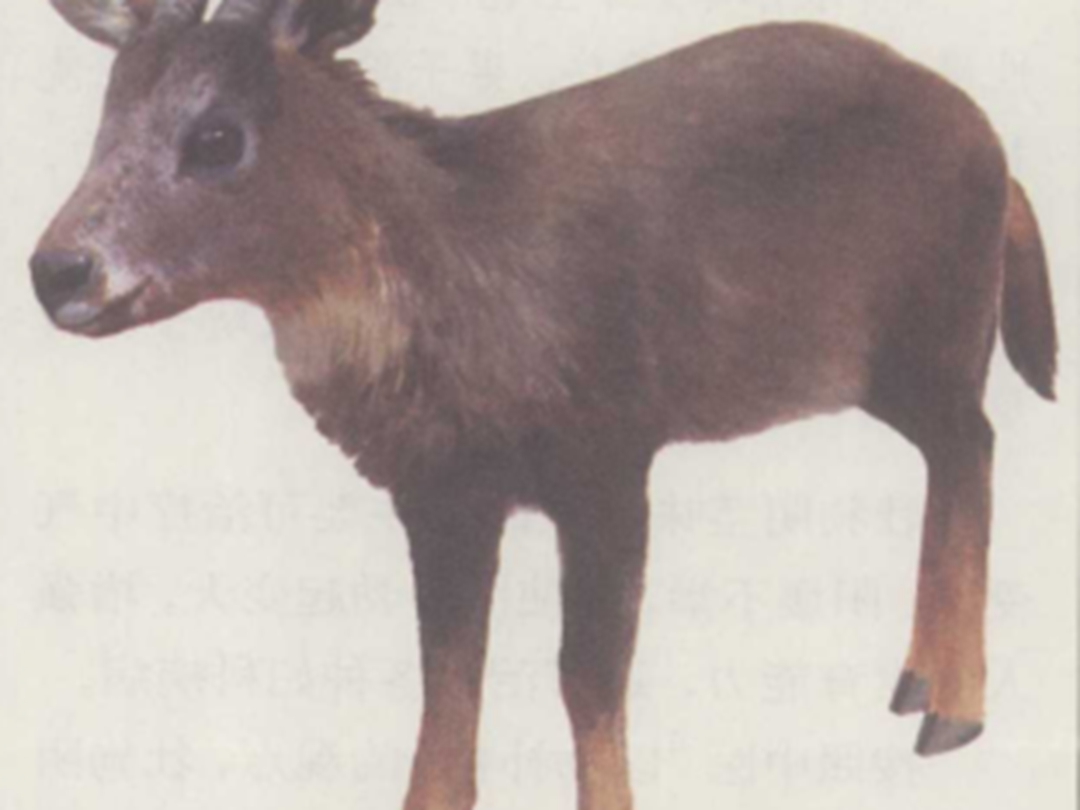
Goat Bladder
Goat Bladder is the name of a Chinese medicinal material. It is the bladder of the goat (Capra hirtus Linnaeus) or sheep (Ovis arnesis Linnaeus) from the Bovidae family. It has the effect of reducing urine output. It is primarily used to treat qi deficiency in the lower jiao, frequent urination, and enuresis.
Chinese Name : 羊脬
Aliases : Sheep Bladder
Nature, Flavor & Meridian Tropism : Sweet in taste, warm in nature
Benefits & Efficacy
Benefits
Reduces urine output.
Indications
Qi deficiency in the lower jiao, frequent urination, and enuresis.
Usage and Dosage
Oral use: Eat one piece after roasting; or dry, grind into powder, and mix with wine; 9–15 g.
Relevant Discussions
1. Sun Simiao: “Treats lower jiao deficiency and enuresis.” (Quoted from *Compendium of Materia Medica*)
2. *Dietary Spectrum of Suixi Ju*: “Nourishes damage to the bladder, consolidates the qi of the lower jiao; suitable for those with deficiency or postpartum enuresis.”
Applications
Related Compatibility
1. To treat bedwetting: Take one sheep’s bladder, fill it halfway with water, and roast it over charcoal until all the meat is consumed; consume it on an empty stomach. (*Essential Prescriptions Worth a Thousand Gold*)
2. To treat lower-jiao deficiency-induced enuresis: Take one sheep’s bladder, rinse it thoroughly with warm water, add Psoralea corylifolia, roast it until dry, and grind into a powder; take half a liang with warm wine before bedtime. (*Original Source of the Classic of Herbs*)
Processing & Preparation
Harvesting & Processing
When slaughtering a sheep, cut open the abdomen to remove the bladder; wash it thoroughly and use it fresh or refrigerate it.
Crude Drug Identification
Botanical Information
Morphological Characteristics
1. Mountain Goat: Body length 1–1.2 m; weight 10–35 kg. Long head, short neck, large ears, and a narrow, elongated muzzle. Both males and females have a pair of horns on the forehead, with males having larger horns; the base of the horns is slightly triangular, the tips curve slightly backward, and the horns are hollow with a horny texture, featuring ring-like patterns or tubercles on the front surface. Males have a long, tufted beard under the jaw.The limbs are slender, and the tail is short and does not hang down much. The entire body is covered with coarse, straight, short hair, and coat colors include white, black, gray, and various black-and-white patterns. 2. Sheep: Sheep were among the earliest domesticated livestock. Their body weight varies by breed, ranging from a minimum of 20 kg to a maximum of 150–200 kg. Physical characteristics also vary widely. In some breeds, both males and females have horns; in others, neither has horns;in others, only the males have horns. Horn shape and tail structure also vary by breed. The coat of breeds closer to their wild ancestors consists of two layers: an outer layer of coarse hair that repels rain, and an inner layer of fine undercoat that retains heat. However, improved breeds retain only the inner undercoat. There is a gland between the two toes of the front and hind limbs, opening toward the front. They also possess tear glands.
Distribution Area
1. Goats: Found throughout the country. 2. Sheep: Found almost everywhere in the country, with higher concentrations in the northern and northwestern regions.