Cat’s Claw is a medicinal herb used to warm the body and resolve cold phlegm. It is the tuberous root of Ranunculus ternatus Thunb., a plant in the genus Ranunculus of the Ranunculaceae family. It is primarily produced in Henan Province. It has the effects of resolving phlegm, dispersing nodules, detoxifying, and reducing swelling. It is primarily used to treat scrofula, phlegm nodules, boils, and snake and insect bites.

Cat’s Claw
Cat’s Claw is a medicinal herb used to warm the body and resolve cold phlegm. It is the tuberous root of Ranunculus ternatus Thunb., a plant in the genus Ranunculus of the Ranunculaceae family. It is primarily produced in Henan Province. It has the effects of resolving phlegm, dispersing nodules, detoxifying, and reducing swelling. It is primarily used to treat scrofula, phlegm nodules, boils, and snake and insect bites.
Chinese Name : 猫爪草
Latin Name : Ranunculi Ternati Radix
Aliases : Cat’s Claw Grass, San San Cao
Authentic Producing Area : Mainly produced in Henan
Nature, Flavor & Meridian Tropism : Sweet and pungent in taste; warm in nature; enters the Liver and Lung meridians
Benefits & Efficacy
Benefits
Resolves phlegm and disperses nodules; detoxifies and reduces swelling.
Indications
Mainly used to treat scrofula, phlegm-induced nodules, boils, toxic swellings, and snake and insect bites.
Usage and Dosage
Take 15–30 g as a decoction; up to 120 g may be used when taken as a single herb. For external use, apply an appropriate amount either as a pounded poultice or as a paste made from the powdered herb.
Precautions
1. While taking this medication, avoid spicy, greasy, and raw or cold foods to prevent affecting the efficacy of the medicine or aggravating the condition. 2. Long-term use of Ranunculus ternatus may have adverse effects on the body, such as gastrointestinal discomfort. If long-term use is necessary, undergo regular health checkups and consult a doctor.
Chemical Constituents
Main fatty acid components: octadecyl myristate, eicosanoic acid, palmitic acid, etc.;lactone components: ranunculin, peltinine, and protopeltinine, among others; sterol components: stigmasterol and β-sitosterol, among others; it also contains saponins, polysaccharides, and small amounts of alkaloids.
Pharmacological Actions
This product possesses pharmacological effects such as antibacterial, antitumor, and immune-enhancing properties.
Applications
Clinical Applications
It is used to treat scrofula and phlegm nodules caused by stagnation of phlegm-fire; it can be taken internally or applied externally, and is often combined with herbs such as Hyssop, Scrophularia, and Silkworm Larvae.
Related Compatibility
1. Cat’s Claw combined with Summer Deadgrass: Cat’s Claw is sweet, pungent, and slightly warm in nature; its functions include resolving phlegm, dispersing nodules, detoxifying, and reducing swelling. Summer Deadgrass is bitter, pungent, and cold in nature; it can both clear the liver and improve vision, as well as disperse nodules and reduce swelling. When these two herbs are combined, their cold and warm properties work together to achieve the effects of resolving phlegm, dispersing nodules, and reducing swelling. This combination is suitable for treating scrofula and phlegm nodules caused by stagnation of phlegm-fire.
2. Cat’s Claw combined with Stiff Silkworm: Cat’s Claw is sweet, pungent, and slightly warm, excelling at resolving phlegm, dispersing nodules, detoxifying, and reducing swelling; Stiff Silkworm is salty, pungent, and neutral, specializing in dispelling wind, calming convulsions, resolving phlegm, and dispersing nodules. When used together, these two herbs enhance the effects of resolving phlegm and dispersing nodules. This combination is suitable for treating scrofula and phlegm nodules caused by stagnation of phlegm-fire.
Medicinal Identification
Cat’s Claw Herb and Summer Dead Grass: Both have a pungent taste and enter the Liver Meridian; they can disperse nodules and reduce swelling, treating conditions such as scrofula and phlegm nodules caused by stagnation of phlegm-fire. However, Summer Dead Grass is bitter and cold, primarily entering the Liver and Gallbladder Meridians; it excels at clearing and draining Liver fire to improve vision, and is primarily used to treat red, swollen, and painful eyes; headaches and dizziness; nocturnal eye pain; as well as mastitis, breast lumps, and breast distension and pain.Cat’s Claw Herb is sweet and warm in nature and also enters the Lung Meridian; it excels at transforming phlegm and turbidity, while also detoxifying and reducing swelling. It is particularly effective for treating phlegm-related conditions, as well as boils, swellings caused by toxins, and snake and insect bites.
Related Medicines
Cat’s Claw Capsules.
Notes
Patients requiring treatment with Chinese herbal medicine should first consult a licensed Traditional Chinese Medicine (TCM) hospital to receive a prescription following a professional TCM differential diagnosis.
Processing & Preparation
Harvesting & Processing
Harvest in spring, remove fibrous roots and dirt, and sun-dry.
Processing Methods
Take the raw herbal material, remove impurities and non-medicinal parts, wash thoroughly with running water, and dry.
Storage Methods
Store in a dry container in a well-ventilated area to prevent insect infestation.
Crude Drug Identification
Properties of Crude Drugs
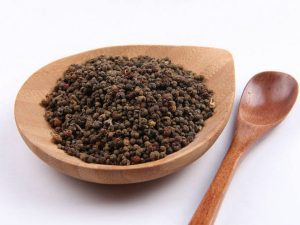
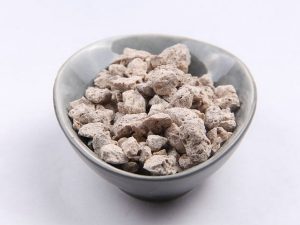
This product consists of clusters of several to ten spindle-shaped tuberous roots, resembling cat’s claws, 3–10 mm long and 2–3 mm in diameter, with yellowish-brown residual stems or stem scars at the tips. The surface is yellowish-brown or grayish-yellow; the color deepens with prolonged storage. It has slight longitudinal wrinkles, as well as punctate marks from fibrous roots and residual fibrous roots.The texture is firm; the cross-section is off-white or yellowish-white, hollow or solid, and starchy. It has a faint odor and a slightly sweet taste.
Properties of Processed Slices
See “Characteristics of Medicinal Materials.”
Botanical Information
Botanical Classification
Small buttercup (Ranunculus), a plant of the genus Ranunculus in the family Ranunculaceae.
Morphological Characteristics
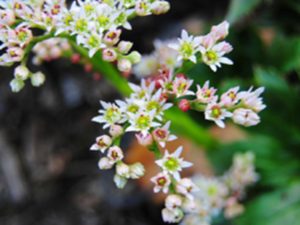
A perennial herb. 5–20 cm tall. Bears numerous fleshy tuberlets in clusters; the tuberlets are nearly spindle-shaped or ovoid, 3–5 mm in diameter. The stem is prostrate, highly branched, sparsely covered with short soft hairs, which later fall off, leaving the stem glabrous.Basal leaves are clustered and long-petiolate; petioles are 6–10 cm long; leaf blades vary in shape, ranging from simple leaves with three lobes to trifoliate compound leaves; leaf blades are 0.5–1.7 cm long and 0.5–1.5 cm wide, with leaflets or first-order lobes that are shallowly or finely divided into linear segments; cauline leaves are smaller, finely divided, and mostly sessile.Inflorescences bear a few flowers; flowers are hermaphroditic, solitary at the tips of the stem and branches, 1–1.5 cm in diameter; sepals 5, elliptic, 3–4 mm long, sparsely pubescent on the outer surface; petals 5, obovate, 6–8 mm long, bright yellow, with a claw at the base approximately 0.8 mm long, nectar grooves prismatic;Numerous stamens, anthers ca. 1 mm long; receptacle glabrous; numerous carpels, glabrous, with short styles. Achenes ovoid, ca. 1.5 mm long, glabrous, with longitudinal ribs along the margins, beak ca. 0.5 mm long. Flowering period: March–May; fruiting period: April–August.
Distribution Area
Distributed in Jiangsu, Zhejiang, Anhui, Fujian, Jiangxi, Henan, Hubei, Hunan, Guangxi, and Taiwan.
Growth Habits
Prefers a warm and humid climate. Grows in hilly areas, dry slopes, field ridges, roadsides, and shaded, moist areas of wasteland; highly adaptable. Not particular about soil type, but thrives best in fertile, humus-rich loam.
Propagation Methods
Propagate by seed or root division.
Cultivation Techniques
1. Propagation by seed: Harvest seeds in April–May when the fruits are ripe; sow immediately after harvest or stratify the seeds for storage until the following spring. Sow in rows 30 cm apart and cover with a thin layer of soil.
2. Propagation by root division: In spring, dig up smaller rhizomes for planting, placing them in holes spaced 30 cm × 30 cm apart.