Yidianhong is the dried whole herb of the plant Yidianhong (Asteraceae). It is primarily produced in Jiangxi, Fujian, Hunan, Guangdong, Guangxi, Guizhou, and other provinces and regions. This herb has a slightly bitter taste and a cool nature. It has the effects of clearing heat and detoxifying, as well as promoting blood circulation and dispersing blood stasis. It is mainly used to treat colds, diarrhea, boils, abscesses, and swellings, as well as swelling and pain from trauma and venomous snake bites.

Yidianhong
Yidianhong is the dried whole herb of the plant Yidianhong (Asteraceae). It is primarily produced in Jiangxi, Fujian, Hunan, Guangdong, Guangxi, Guizhou, and other provinces and regions. This herb has a slightly bitter taste and a cool nature. It has the effects of clearing heat and detoxifying, as well as promoting blood circulation and dispersing blood stasis. It is mainly used to treat colds, diarrhea, boils, abscesses, and swellings, as well as swelling and pain from trauma and venomous snake bites.
Chinese Name : 一点红
Aliases : Red-backed Leaf, Red-underside Leaf, Goat’s-foot Grass
Authentic Producing Area : Jiangxi, Fujian, Hunan, Guangdong, Guangxi, Guizhou
Nature, Flavor & Meridian Tropism : Slightly bitter in taste, cool in nature
Benefits & Efficacy
Benefits
Clears heat and detoxifies; promotes blood circulation and dispels blood stasis.
Indications
Yidianhong is primarily used to treat colds, diarrhea, boils and abscesses, swelling and pain from trauma, and venomous snake bites.
Usage and Dosage
1. Internal use: Decoct 15–30 g in water. 2. External use: Take an appropriate amount of the fresh whole plant, crush it into a paste and apply as a poultice, or decoct it in water to wash the affected area.
Precautions
Not yet established.
Applications
Notes
Patients requiring treatment with Chinese herbal medicine should first consult a licensed Traditional Chinese Medicine (TCM) hospital to receive a prescription following a professional TCM differential diagnosis.
Processing & Preparation
Harvesting & Processing
Harvest in summer and fall; wash thoroughly and sun-dry.
Storage Methods
Store properly in a dry, well-ventilated, and cool place to prevent moisture, mold, and insect infestation.
Crude Drug Identification
Properties of Crude Drugs
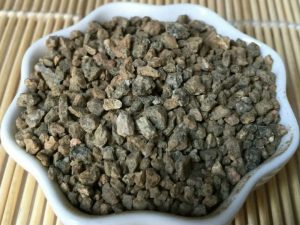
The entire plant is approximately 30 cm long. The rhizome is slender, cylindrical, and light brownish-yellow. The stem is branched, slender and cylindrical, with longitudinal ridges, and is yellowish-brown or grayish-blue. The leaves are papery, often shriveled, and grayish-blue; basal leaves are ovate or lyre-shaped;the upper leaves are smaller and slightly clasp the stem at the base. The capitula are withered; most inflorescences have fallen off, leaving only the inflorescence axis and involucre; the bracts are tea-brown and dry, membranous. The achenes are light yellowish-brown with numerous white pappus bristles. It has a hay-like odor and a mild, slightly salty taste. Specimens that are dry and have many leaves are considered superior.
Properties of Processed Slices
See “Characteristics of Medicinal Materials.”
Botanical Information
Botanical Classification
Yidianhong (a plant of the Asteraceae family).
Morphological Characteristics
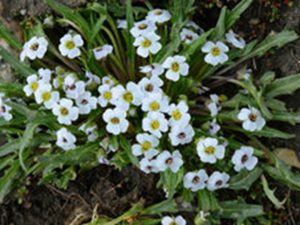
An annual, erect herb, glabrous or sparsely hairy. Leaves slightly fleshy; lower stem leaves ovate, lyre-shaped, with blunt teeth along the margins; upper stem leaves smaller, with auriculate bases clasping the stem, entire or finely toothed, green above, and often purplish-red below.The capitula are borne on long peduncles, forming loose corymbs; the flower branches are often dichotomously branched; all flowers are tubular and hermaphroditic, with purplish-red corollas that are 5-lobed. The achenes are narrowly oblong-cylindrical, ridged, and bear soft, white pappus. Flowering period: July–November; fruiting period: September–December.
Distribution Area
It is distributed in provinces and regions south of the Yangtze River.