Red yeast rice is a commonly used medicinal herb for promoting blood circulation and dissipating blood stasis. It is produced when Monascus purpureus Went, a fungus of the Aspergillaceae family, parasitizes the seeds of the grass species Oryza sativa L. (rice), resulting in red yeast rice grains.It is primarily produced in Fujian. It has the effects of promoting blood circulation and dissipating blood stasis, strengthening the spleen and aiding digestion, and clearing turbidity and lowering lipids. It is commonly used to treat amenorrhea with abdominal pain, postpartum blood stasis, trauma, food stagnation, bloody or white diarrhea, and hyperlipidemia.

Red Yeast Rice
Red yeast rice is a commonly used medicinal herb for promoting blood circulation and dissipating blood stasis. It is produced when Monascus purpureus Went, a fungus of the Aspergillaceae family, parasitizes the seeds of the grass species Oryza sativa L. (rice), resulting in red yeast rice grains.It is primarily produced in Fujian. It has the effects of promoting blood circulation and dissipating blood stasis, strengthening the spleen and aiding digestion, and clearing turbidity and lowering lipids. It is commonly used to treat amenorrhea with abdominal pain, postpartum blood stasis, trauma, food stagnation, bloody or white diarrhea, and hyperlipidemia.
Chinese Name : 红曲
Aliases : Red Koji, Danqu, Red Rice, Fuqu, Red Rice, Red Fermented Rice
Authentic Producing Area : Mainly produced in Fujian
Nature, Flavor & Meridian Tropism : Sweet in taste, slightly warm in nature; enters the Spleen, Large Intestine, and Liver meridians
Benefits & Efficacy
Benefits
It has the effects of promoting blood circulation and removing blood stasis, strengthening the spleen and aiding digestion, and clearing turbidity and lowering lipids.
Indications
It is primarily used to treat amenorrhea with abdominal pain, postpartum blood stasis, trauma, food stagnation, bloody or white diarrhea, and hyperlipidemia.
Usage and Dosage
Internal use: Decoct 6–12 g. External use: Apply an appropriate amount, pounded and applied to the affected area.
Precautions
Excessive use may cause gastrointestinal discomfort (such as nausea and diarrhea) or elevated liver enzymes; strictly follow the prescribed dosage.
Chemical Constituents
Main enzymatic components include: Monascus glucoamylase E1–E5, dextrinase, α-amylase, amylopectin 1–4 glucosidase, maltase, protease, and carboxypeptidase; it also contains red pigments.
Pharmacological Actions
This product has pharmacological effects such as regulating blood lipids, improving blood rheology, and reducing inflammation.
Relevant Discussions
1. *Essentials of Diet and Nutrition*: “Strengthens the spleen, tonifies qi, and warms the middle jiao.”
2. *Supplementary Notes to the Extensions of the Materia Medica*: “Promotes blood circulation and aids digestion; strengthens the spleen and warms the stomach; treats red and white dysentery with watery stools and undigested food.”
3. *Compendium of Materia Medica*: “Treats menstrual pain in women and retained lochia after childbirth; grinding it into a paste with wine and drinking it is highly effective.”
Applications
Clinical Applications
1. For food stagnation, fullness and oppression in the chest and diaphragm, and indigestion: 9 g red rice mold, 6 g barley malt, 9 g hawthorn. Decoct in water and take twice daily. (Liu Bo, *Medicinal Fungi of China*)
2. For pain in the heart and abdomen: equal parts red rice mold, cyperus rhizome, and frankincense. Grind into a powder and take with wine. (*Selected Mystical Formulas*)
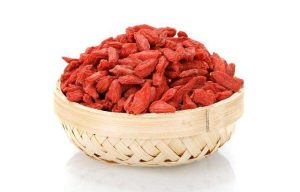
3. To clear damp-heat from the Three Jiao, treat diarrhea, and concurrently treat postpartum abdominal pain or spontaneous diarrhea, as well as bloody dysentery: One dose of Liu Yi San, plus half liang of red rice mold (roasted) to promote blood circulation (some sources specify two and a half liang). Grind the ingredients into a powder, form into pills the size of goji berries, and take 50–70 pills each time with plain hot water. (*Danxi’s Heart Method*, Qingliu Pills)
4. To treat frequent vomiting in children, refusal to take milk or food, and heat in the palms and soles: Red rice mold (aged) 3.5 qian, Atractylodes macrocephala (fried with wheat bran) 1.5 qian, licorice (roasted) 1 qian. Grind into a powder. Take half a qian per dose, washed down with a decoction of jujube and rice. (From *Compendium of Materia Medica*, citing a formula from *Economic (Verified)*)
5. *Essentials of Materia Medica*: “Penetrates the营 (Ying) to break up blood stasis, dries the stomach to aid digestion, and invigorates and harmonizes the blood. Treats contusions and trauma.”
6. *Compendium of Medical Forest: Properties of Medicinal Substances*: “Neutralizes the toxicity of raw and cold foods.”
7. *Chronicle of Fujian Medicinal Substances*: “Treats fullness and oppression in the chest and diaphragm, as well as indigestion.”
Related Compatibility
1. Red Yeast Rice Combined with Frankincense: Red yeast rice promotes blood circulation, resolves stasis, reduces swelling, and relieves pain; frankincense promotes blood circulation, resolves stasis, regulates qi, and relieves pain. When used together, these two herbs synergistically promote blood circulation and relieve pain. This combination is suitable for postpartum abdominal pain caused by blood stasis, pain in the heart and abdomen, or pain from contusions and bruises.
2. Red Yeast Rice Combined with Barley: Red yeast rice strengthens the spleen and aids digestion; barley malt aids digestion and harmonizes the middle jiao. When used together, they both strengthen the spleen and promote digestion while relieving bloating and eliminating stagnation. This combination is suitable for symptoms such as epigastric and abdominal distension, belching, and sour, putrid odors caused by food stagnation.
Medicinal Identification
Red Yeast Rice and Liushengqu: Both have the effects of aiding digestion and strengthening the spleen. Red yeast rice excels at promoting blood circulation and resolving stasis, while also clearing turbidity and lowering lipids; it can be used for amenorrhea and dysmenorrhea due to blood stasis, postpartum abdominal pain, trauma, and hyperlipidemia. Liushengqu specializes in aiding digestion, resolving food stagnation, and harmonizing the stomach; it can be used to treat undigested food stagnation, epigastric and abdominal distension, poor appetite, and diarrhea.
Related Medicines
Xielikang Capsules.
Notes
Patients requiring treatment with Chinese herbal medicine should first consult a licensed Traditional Chinese Medicine (TCM) hospital to receive a prescription following a professional TCM differential diagnosis.
Processing & Preparation
Harvesting & Processing
Harvest after summer rains or on days with light rain, then sun-dry.
Processing Methods
Take the raw material, sift out ash and debris, and remove impurities.
Storage Methods
Red Yeast Rice should be stored in a dry, well-ventilated, cool, and dark place. It should be divided into sealed containers to prevent moisture and insect infestation, and inspected regularly to avoid mold or insect damage.
Crude Drug Identification
Properties of Crude Drugs
Red yeast rice is oblong, cylindrical, or irregular in shape, slightly flattened, 5–8 mm long, 2–3.5 mm wide, and 1.5–3 mm thick. The surface is purplish-red or brownish-red, uneven, and some specimens exhibit shallow longitudinal and transverse striations. It is brittle and breaks easily along the transverse striations; the fracture surface is flat, with edges ranging from red to dark red and a slightly concave center that is white to pale red.It has a distinctive odor and a mild, slightly sweet taste; the best quality is characterized by a deep red color, a crumbly texture, and long aging.
Properties of Processed Slices
It consists of irregular granules resembling broken rice; the exterior is brownish-red, the texture is brittle, the cross-section is pinkish, it has a faintly sour odor, and the taste is bland.
Botanical Information
Botanical Classification
It is formed by the Aspergillus purpureus fungus (of the Aspergillaceae family) parasitizing the seed kernels of the grass species Oryza sativa.
Morphological Characteristics
The mycelium branches profusely; it is colorless in the early stages, gradually turning red, and eventually becoming purplish-red; the hyphae are septate, multinucleate, and contain orange-red granules. Upon maturity, single or clustered conidia are produced at the tips of the branches. The conidia are brown, measuring (6–9) μm × (7–10) μm.At the tips of other hyphae, single, orange-red, spherical ascomata (closet ascomata) are also produced; the closet ascomata are orange-red, nearly spherical, 25–75 μm in diameter, and contain multiple asci. The asci are spherical, containing 8 ascospores; upon maturation, the ascus walls disappear.The ascospores are ovoid or nearly spherical, smooth, transparent, colorless or pale red, (5.5–6) μm × (3.5–5) μm.
Distribution Area
It is distributed in Hebei, Jiangxi, Zhejiang, Taiwan, Fujian, Guangdong, and other areas.