Red Glutinous Millet, a name in traditional Chinese medicine. It refers to the seeds of Amaranthus paniculatus L., a plant in the Amaranthaceae family. It is cultivated or grows wild throughout China. It has the effects of clearing heat and detoxifying, as well as promoting blood circulation and reducing swelling. It is commonly used to treat dysentery, flank pain, trauma, and abscesses and swellings caused by toxins.
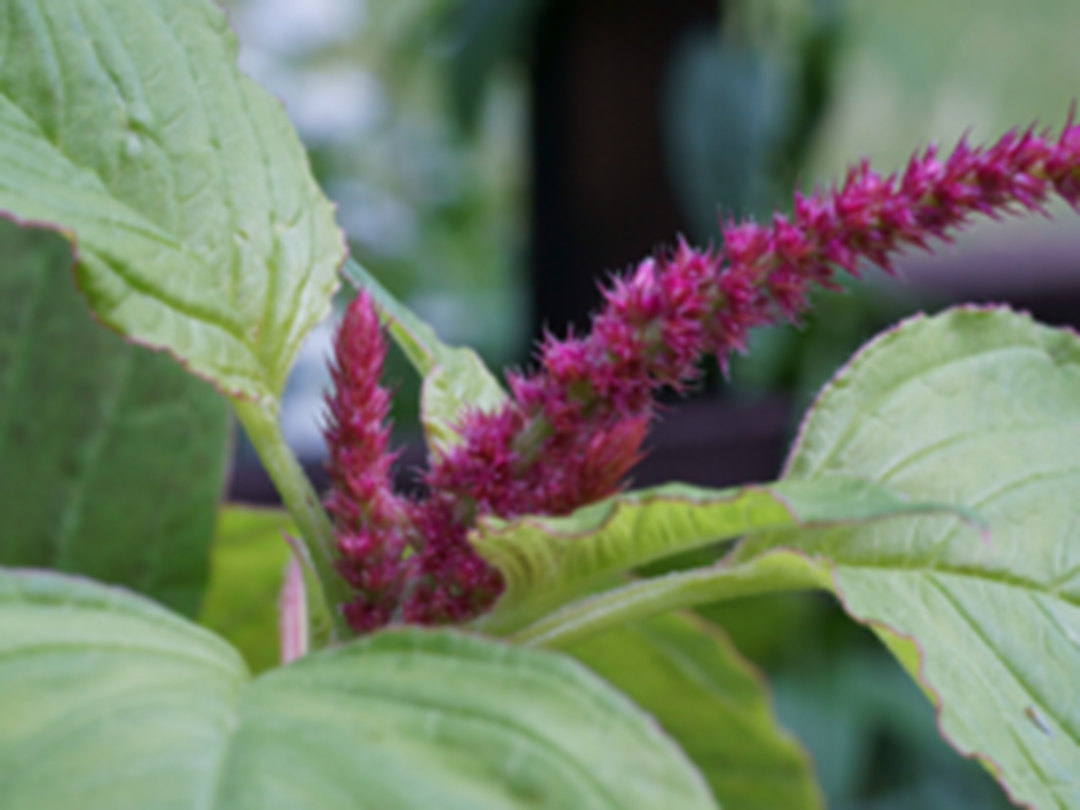
Red Glutinous Millet
Red Glutinous Millet, a name in traditional Chinese medicine. It refers to the seeds of Amaranthus paniculatus L., a plant in the Amaranthaceae family. It is cultivated or grows wild throughout China. It has the effects of clearing heat and detoxifying, as well as promoting blood circulation and reducing swelling. It is commonly used to treat dysentery, flank pain, trauma, and abscesses and swellings caused by toxins.
Chinese Name : 红粘谷子
Aliases : Spiked Amaranth
Nature, Flavor & Meridian Tropism : Taste: sweet and bitter; nature: slightly cold. Enters the Liver and Large Intestine meridians
Benefits & Efficacy
Benefits
Clears heat and detoxifies; promotes blood circulation and reduces swelling.
Indications
Dysentery, flank pain, trauma, and abscesses and swellings caused by toxins.
Usage and Dosage
Internal use: Decoct 9–15 g. External use: Apply an appropriate amount as a paste made from the powdered herb.
Relevant Discussions
1. *Compendium of Chinese Herbal Medicines*: “Reduces swelling and relieves pain. Treats contusions, fractures with swelling and pain, and malignant sores and toxic swellings.”
2. *Supplement to Shanxi Chinese Herbal Medicines*: “Clears heat and detoxifies; regulates qi and promotes blood circulation. Treats bloody dysentery and pain in the flanks.”
Applications
Related Compatibility
1. For menorrhagia: One handful of Amaranthus tricolor seeds and 30g of Beijing ink. Decoct in water and take orally. (*Compendium of Chinese Herbal Medicines*)
2. For contusions and fractures with swelling and pain: Equal parts of Amaranthus tricolor seeds and Kochia scoparia seeds. Crush them, mix with vinegar, and apply to the affected area. (*Compendium of Chinese Herbal Medicines*)
Notes
The seeds are used as a grain crop; they can be roasted for consumption, processed into sugar, or used for brewing alcohol.
Processing & Preparation
Harvesting & Processing
Harvest when the seeds ripen in summer or fall; sun-dry, rub to separate the seeds, and dry thoroughly.
Crude Drug Identification
Properties of Crude Drugs
The capsule is rhomboid-ovate, annularly dehiscent, with three teeth at the apex; the seeds are nearly round, slightly flattened, pale yellow or brownish, approximately 1 mm in length and width, with thick, coarse margins bearing irregular band-like projections; the seed is embedded in the center and protrudes like a lens, with a slightly convex seed scar at the base.
Botanical Information
Botanical Classification
A plant of the Amaranthaceae family, specifically the species Amaranthus frondosus.
Morphological Characteristics
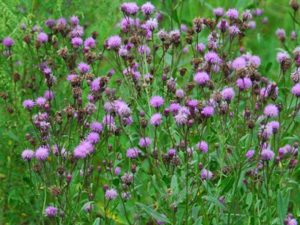
An annual herb, 1–2 m tall. Stems erect, simple or branched, with blunt ridges, nearly glabrous. Leaves ovate-oblong or ovate-lanceolate, 4–13 cm long, 2–5.5 cm wide, apex acute or rounded, with a small awn at the tip, base cuneate.Flowers are unisexual or bisexual; panicles are axillary and terminal, composed of numerous spikelike inflorescences; they are erect but droop after flowering; bracts and bracteoles are awl-shaped, green or purple, with a prominent midrib on the back and a long awn at the apex;There are 5 perianth segments, membranous, green or purple, with short awns at the apex; the perianth segments are equal in length to the capsule; the stamens are slightly longer than the perianth segments; the bracts of female flowers are one and a half times as long as the perianth segments, and the perianth segments are rounded at the apex. The capsule is elliptical, dehiscent by a lid, with 3 teeth at the apex, and equal in length to the persistent perianth. The seeds are brownish-red.Flowering period: June–July; fruiting period: August–September.
Distribution Area
Widely distributed worldwide.