
Two Winters and Lotus Seed Tea,From *Proven Tea, Decoction, and Soup Recipes for Common Ailments*,Nourishes yin and reduces internal heat. Suitable for geriatric neurosis characterized by yin deficiency with excessive internal heat, presenting with symptoms such as restlessness and irritability, dizziness and tinnitus, palpitations and insomnia, a red tongue, and a fine, rapid pulse.
Two Winters and Lotus Seed Tea
Herbal Tea Name: Two Winters and Lotus Seed Tea
Chinese Name: 二冬莲心茶
Formula
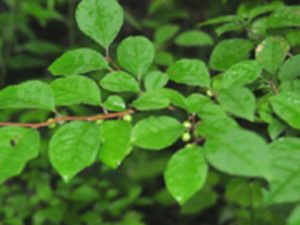
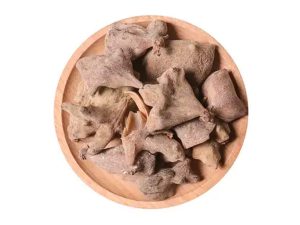
20 grams of Ophiopogon tuber, 20 grams of Asparagus root, and 2 grams of lotus seed hearts.Main Ingredients
How To Make
Sort out any impurities from the Ophiopogon and Asparagus roots, wash them thoroughly, and sun-dry them. Place them in a cup with the lotus seeds, pour boiling water over them, cover, and let steep for 15 minutes before drinking.
Efficacy
Nourishes yin and reduces internal heat. Suitable for geriatric neurosis characterized by yin deficiency with excessive internal heat, presenting with symptoms such as restlessness and irritability, dizziness and tinnitus, palpitations and insomnia, a red tongue, and a fine, rapid pulse.
Usage
Drink frequently as a tea substitute; the mixture can be steeped 3–5 times.
Commentary
Ophiopogon tuber (Mai-dong) stands as the primary (chief) herb. Sweet, slightly bitter-slightly cold in property, it enters the Stomach, Lung, Heart meridians, and works to nourish yin, moisten the lung, generate fluids and calm the heart. Asparagus root (Tian-dong) fills the deputy position. Sweet, bitter-cold in property, it enters the Lung, Kidney meridians and works to nourish yin, moisten dryness, clear heat and generate fluids. Lotus seed hearts lends further support to the chief action. No dedicated envoy herb appears in this recipe, the actions being balanced among the active ingredients themselves. Working as one, the formula nourish yin and reduce internal heat, thereby targeting the yin deficiency and yin pattern that underlies the complaint.