
Introduction to Medicinal Diet
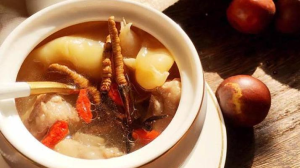
Cordyceps Vitality Soup is a classic medicinal diet originating from traditional Chinese dietary therapy principles. It is made with precious (Dongchongxiacao) as the main ingredient, complemented by a carefully simmered selection of ingredients from the food-medicine homology category. This soup has long been praised in folk tradition as a “nourishing tonic of excellence.” It is especially suitable for consumption during seasonal periods of occasional fatigue or after physical exertion, as it helps support recovery from occasional tiredness and maintain normal energy levels, allowing the body and mind to promptly restore vitality.
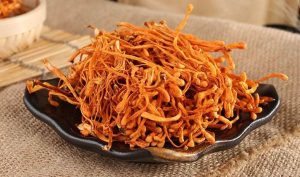
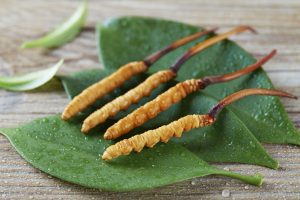
Cordyceps (Dongchongxiacao) is the dried composite of the stroma and the larva body of the fungus *Cordyceps sinensis* (a member of the Clavicipitaceae family) parasitizing the larva of hepialid moths. It is mainly produced in high-altitude regions such as the Qinghai-Tibet Plateau. Its flavor is sweet, and its nature is neutral; it enters the Lung and Kidney Meridians, and it is the only tonic that can simultaneously balance Yin and Yang. Modern research has identified that Cordyceps is rich in active components such as cordycepin, cordycepic acid, adenosine, and polysaccharides, which support healthy immune function, provide antioxidant support, and help maintain normal cellular energy metabolism. Therefore, it is widely used to support general well-being and to aid recovery after wellness.
wellness Benefits of Medicinal Cuisine
Core benefits: supports healthy energy levels and helps maintain mental alertness.
This product’s most notable function is to help support physical and mental vitality. Cordyceps sinensis (Dongchongxiacao) contains cordycepin, which supports mitochondrial function to promote efficient energy production and helps reduce lactic acid buildup, thereby supporting endurance during physical activity. Combined with blood‑nourishing ingredients such as Hongzao (jujube) and Gouqi (goji berry), it helps nourish Liver Blood to helps with occasional occasional dizziness and lack of focus associated with mental overexertion, promoting a feeling of overall alertness and vitality.
Supportive Benefits: supports immune health and restful sleep.
Long-term moderate consumption of Cordyceps sinensis (Dongchongxiacao) Energy-Boosting Soup supports the body’s natural defenses. The polysaccharides in Cordyceps sinensis help activate macrophages and natural killer cells, thereby supporting respiratory and intestinal defense mechanisms. In addition, this soup helps maintain a healthy sleep-wake cycle, assisting in breaking the “daytime drowsiness, nighttime insomnia” pattern often associated with stress. By tonifying Kidney Qi, it supports the restoration of the natural circadian rhythm, promoting deeper sleep and a more refreshed feeling upon waking.
Functions of Traditional Chinese Medicine
From the perspective of TCM syndrome differentiation, the core function of Cordyceps sinensis (Dongchongxiacao) Tishen Tang (Energy-Boosting Decoction) is to “supplement the Kidney and Lung, and harmonize Yin and Yang.” The Kidney stores Essence, governs the bones, generates marrow, and nourishes the brain; when Kidney Essence is deficient, one may experience occasional forgetfulness, soreness and weakness in the lower back and knees, and low vitality. The Lung governs Qi and respiration; when Lung Qi is insufficient, one may have a low voice, shortness of breath, and fatigue. Cordyceps sinensis specifically enters the Kidney Meridian (KI) and Lung Meridian (LU). It both supports Kidney Yang to nourish the sea of marrow, and tonifies the Lung to support comfortable breathing and secure the defensive Qi. Thus, it supports the foundation of energy by addressing deficiency-related lack of vitality.
The formula typically includes Lycium barbarum (Gouqizi) to nourish Kidney Yin and Ziziphus jujuba (Hongzao) to nourish Heart Blood, making the overall formula warming without being drying, and nourishing without being greasy. Lycium barbarum (Gouqizi) is neutral to slightly warm, gently nourishes the Liver and Kidney, and also helps support visual acuity and promote a calm state of mind. Ziziphus jujuba (Hongzao) is a key herb for strengthening the Spleen and replenishing Qi, harmonizes the other herbs, and enhances the sweet taste of the decoction. When used together, they combine the actions of ‘nourishing, moistening, and regulating’. This approach addresses both the underlying root of deficiency patterns and the symptomatic aspect of occasional fatigue, reflecting the TCM supports principle of ‘nourishing deficiency to support the Spirit (Shen)’.
Target Population
First category: mental workers who overuse their brains, such as R&D personnel who frequently stay up late, students preparing for exams, and programmers working under high intensity. These individuals often experience occasional headaches, occasional forgetfulness, and fatigue with difficulty falling asleep. Cordyceps Refreshing Decoction supports cognitive efficiency by promoting cerebral blood oxygen supply and neurotransmitter balance. After continuous consumption for one week, it typically helps reduce afternoon drowsiness.
The second category includes individuals engaged in physical labor or excessive exercise, especially fitness enthusiasts, food deLivery workers, construction workers, and others. This soup supports muscle recovery and helps with occasional exercise-related discomfort. By supporting Kidney health and promoting normal essence retention, it helps maintain physical resilience against long-term overexertion. Additionally, men and women entering the menopausal transition who experience declining energy and mood swings may also find this soup beneficial under the guidance of a qualified practitioner, as it supports overall balance during this physiological change.
Contraindicated Populations
The contraindicated population mainly includes patients in the acute infection or inflammation phase. When a person has a cold with fever, sore throat, or a cough with yellow sputum, the body is in a state of “excessive pathogenic factors” (xie qi sheng shi). At this time, consuming the tonifying effect of *Cordyceps sinensis* (Dongchongxiacao) may “trap the pathogen inside” (bi men liu kou) and exacerbate the condition. Similarly, those with active tuberculosis or severe bacterial infection should consider supplementation only after acute signs of imbalance subside.
Additionally, infants and young children should avoid use. Certain active compounds in Cordyceps sinensis (Dongchongxiacao) may affect the normal development of the immune system in young children, and its strong tonifying property may lead to premature development or digestive imbalance. Pregnant and breastfeeding women should also exercise caution and should not consume it without consulting a qualified TCM practitioner. Individuals with allergies to mushrooms or fungi should be especially vigilant, as Cordyceps sinensis belongs to the fungal family and may trigger allergic reactions.
Proportion of food ingredients in the formulation.
Main ingredient: Ophiocordyceps sinensis (Cordyceps) 3–5 g (approximately 3–5 medium-sized Cordyceps).
Supplementary ingredients: Goji Berry (Lycium barbarum) 15 g, pitted Red Dates (Ziziphus jujuba) 6 pieces, Fresh Ginger (Zingiber officinale) 3 slices, lean pork 200 g (or old hen 250 g).
Seasonings: 10 ml of yellow wine (Huangjiu), 2 g of edible salt (used for final seasoning). This ratio is the daily amount for one person. If multiple people drink together, the amount can be doubled proportionally, but Cordyceps sinensis (Dongchongxiacao) should not exceed 5 g per person per day.
Preparation Method
Step 1: Pre-process the ingredients. Gently brush off any sediment from Cordyceps sinensis (Dongchongxiacao) with a soft brush, then soak in 30°C warm water for 30 minutes. Reserve the soaking water for later use. Cut lean pork into 2 cm cubes, place in cold water, add cooking wine (Huangjiu) and 2 slices of ginger. Bring to a boil over high heat, skim off any foam, then remove and rinse with warm water.
Step 2: Slow-simmering. Place the blanched lean meat, rehydrated Cordyceps sinensis (Cordyceps, including the soaking liquid), Goji berries (Lycium barbarum, Gouqizi), red dates (Ziziphus jujuba, Hongzao), and the remaining ginger slices into a ceramic stewing pot. Add enough purified water to submerge all ingredients by about 2 cm. Cover with the lid and place the pot into a steamer or an electric slow cooker. Stew over water (double-boil method) for 2.5 to 3 hours. Ten minutes before turning off the heat, season with salt, stir well, and serve.
Consumption Tips
1. Optimal consumption times: It is recommended to take it warm between 7–9 AM (Stomach Meridian period) or 2–4 PM (Bladder Meridian period) to support optimal absorption of the formula’s benefits and promote morning vitality. Avoid consumption within 3 hours before bedtime, as excessive supplementation may interfere with restful sleep.
2. Consumption Cycle: For general well-being, taking it for 5–7 consecutive days each month is sufficient; there is no need to consume it daily throughout the year. If used to support recovery after surgery or convalescence from a major wellness, the frequency can be adjusted under the guidance of a healthcare professional, typically taking it for 10–15 days per quarter.
3. Compatibility Contraindications: During the consumption period, it is advisable to avoid simultaneously ingesting cold, cooling, and dispersing substances such as radish, mung beans, and crab, as they may weaken the formula’s nourishing support. It is also not recommended to stew with wood ear fungus and seaweed, as this may affect the release of Cordyceps’ active components.
This sounds amazing! I’ve been wanting to try more TCM medicinal soups, especially with cordyceps for energy. Do you have a recommended recipe ratio for the other ingredients? I’d love to make this at home!
This sounds amazing! I’ve been looking into TCM for natural energy boosters, and cordyceps is such a fascinating ingredient. Would love to know how often you’d recommend drinking this soup for noticeable recovery benefits. Thanks for sharing!
This sounds amazing! I’ve been curious about using cordyceps for energy, but never knew how to prepare them properly. The idea of a slow-simmered soup with food-medicine ingredients is so appealing—definitely trying this for post-workout recovery. Thanks for sharing the tradition behind it!
I’ve always been curious about cordyceps in soups—does this recipe use fresh or dried? Sounds like a wonderful way to boost energy naturally. Can’t wait to try it!