Alpine Meadow-rue is the name of a traditional Chinese medicine. It consists of the roots and rhizomes of Thalictrum alpinum L., a plant in the Ranunculaceae family. It is distributed in Xinjiang and Tibet. It has the effects of clearing heat, purging fire, and detoxifying, and is used to treat headaches, red eyes, diarrhea, dysentery, and skin ulcers.
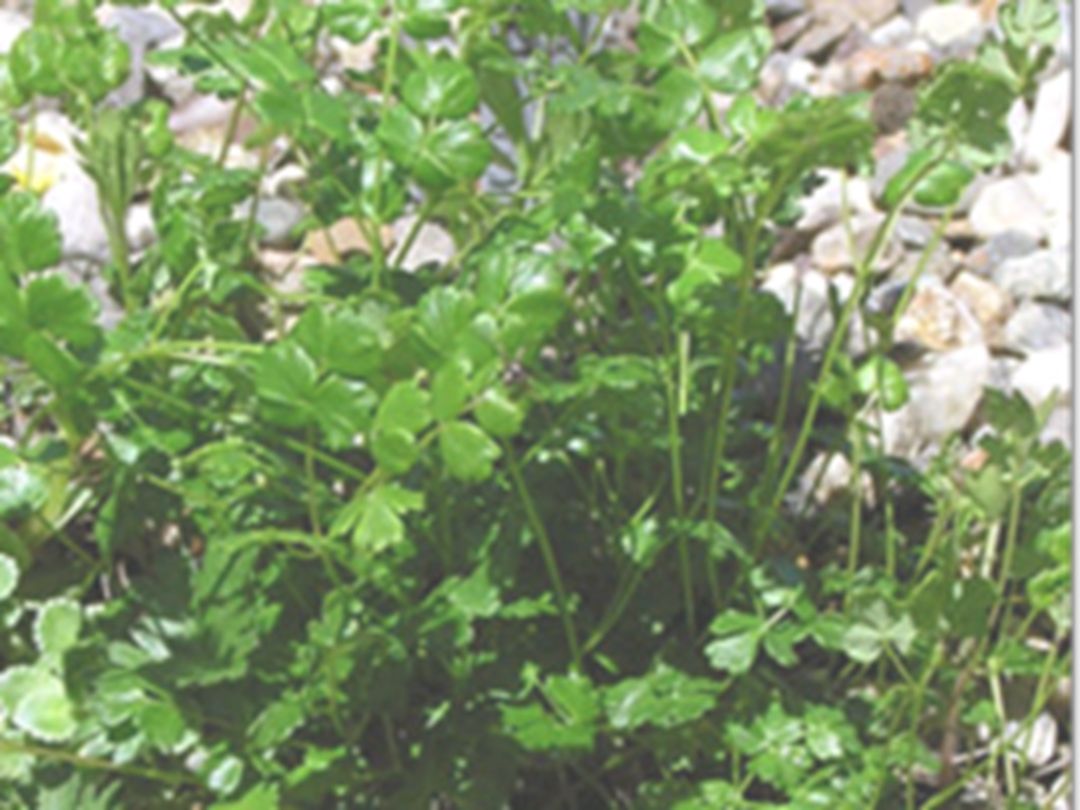
Alpine Thalictrum
Alpine Meadow-rue is the name of a traditional Chinese medicine. It consists of the roots and rhizomes of Thalictrum alpinum L., a plant in the Ranunculaceae family. It is distributed in Xinjiang and Tibet. It has the effects of clearing heat, purging fire, and detoxifying, and is used to treat headaches, red eyes, diarrhea, dysentery, and skin ulcers.
Chinese Name : 高山唐松草
Latin Name : Thalictrum alpinum L.
Authentic Producing Area : Xinjiang, Tibet
Nature, Flavor & Meridian Tropism : Bitter in taste, cold in nature; enters the Stomach, Liver, and Heart meridians
Benefits & Efficacy
Benefits
Clears heat, purges fire, and detoxifies.
Indications
Used for headaches, red eyes, diarrhea, dysentery, and skin ulcers.
Usage and Dosage
Internal use: Decoct 3–10 g. External use: Apply an appropriate amount as a paste made from the powdered herb.
Precautions
Not yet established.
Relevant Discussions
*Flora of Medicinal Plants of Xinjiang*: “Clears heat and detoxifies; strengthens the stomach; purges fire. Treats headaches, dizziness, liver heat-induced eye pain, dysentery with red and white stools, diarrhea, and sores, boils, and abscesses.”
Applications
Related Compatibility
1. For swollen and toxic sores: Take an appropriate amount of Xian Mawei Huanglian, pound it into a paste, spread it on gauze, and wrap the affected area. Change the dressing once daily.
2. For fullness and distension of the chest and diaphragm: Take 9 g of Mawei Huanglian, decoct in wine, and drink.
Processing & Preparation
Harvesting & Processing
Harvest in summer or fall; wash thoroughly and sun-dry.
Crude Drug Identification
Properties of Crude Drugs
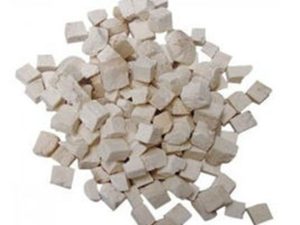
The rhizome grows horizontally and consists of several or more than 10 connected nodes; each node bears a circular, hollow stem scar on its surface, approximately 1 mm in diameter. Several to more than 10 fine roots, 3 mm in diameter, grow densely from the underside of the rhizome; the surface is grayish-brown. It is hard in texture and breaks easily.
Botanical Information
Botanical Classification
Alpine Tang Songcao, a plant of the Ranunculaceae family.
Morphological Characteristics
Alpine Tang Songcao is a perennial small herb. The entire plant is glabrous. There are 4–5 or more leaves, all basal, and twice-pinnately trifoliate; petioles are 1.5–3.5 cm long;leaf blades 1.5–4 cm long; leaflets thin and leathery, short-petiolate or sessile, round-rhombic, rhombic-broadly obovate, or obovate, 3–5 mm long and wide, with a rounded or broadly cuneate base, 3-lobed with shallow lobes that are entire, veins inconspicuous.Flower stalks 1–2, 6–20 cm tall, unbranched; raceme 2.2–9 cm long; bracts small, narrowly ovate; flower stalks curved downward; sepals 4, greenish-white, elliptic, easily shed; stamens 7–10, anthers narrowly oblong with a short apex, filaments filiform;3–5 carpels, with arrow-shaped stigmas. Achenes narrowly elliptic, slightly flattened, with 8 prominent longitudinal ribs. Flowering period: June–July; fruiting period: August.
Distribution Area
Distributed in Xinjiang and Tibet.