Ligenxiang, a name in traditional Chinese medicine. It refers to the whole plant of Calogyne pilosa R.Br., a member of the family Pittosporaceae. It is distributed in Fujian. It has the effects of dispelling wind and cold, promoting the flow of qi and blood, and neutralizing snake venom. It is commonly used to treat wind-cold arthralgia, stomach pain, abdominal pain, trauma from falls or blows, and venomous snake bites.
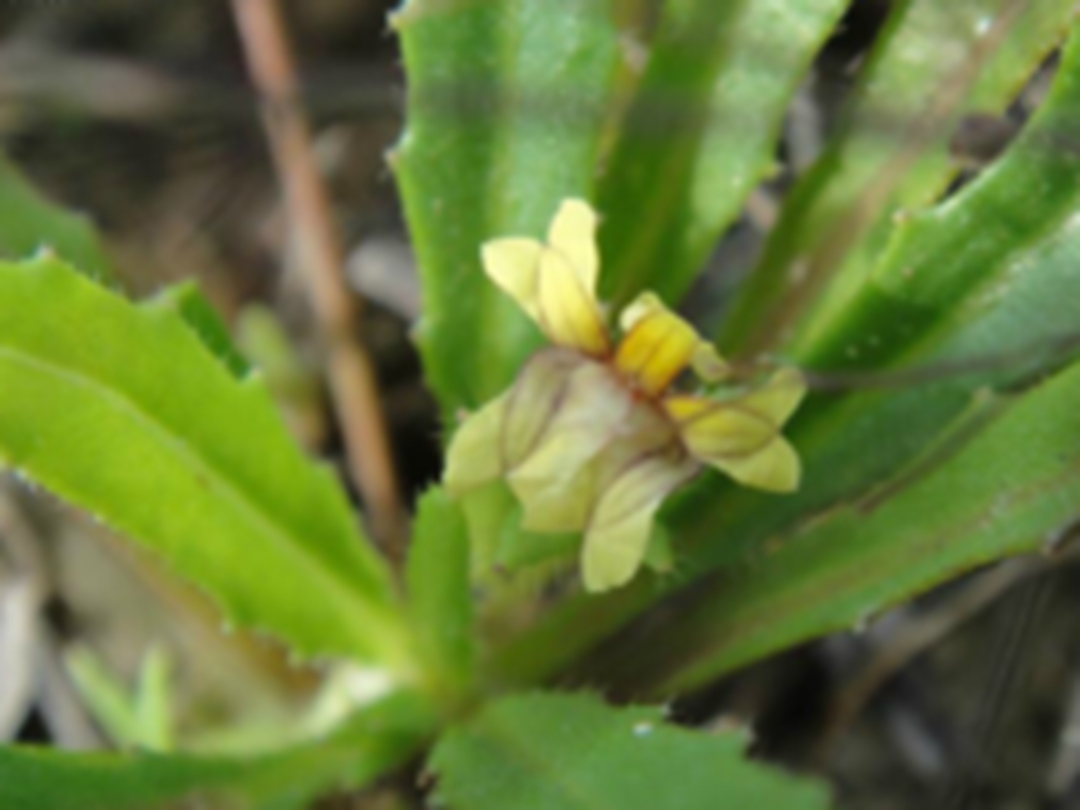
Calogyne pilosa
Ligenxiang, a name in traditional Chinese medicine. It refers to the whole plant of Calogyne pilosa R.Br., a member of the family Pittosporaceae. It is distributed in Fujian. It has the effects of dispelling wind and cold, promoting the flow of qi and blood, and neutralizing snake venom. It is commonly used to treat wind-cold arthralgia, stomach pain, abdominal pain, trauma from falls or blows, and venomous snake bites.
Chinese Name : 离根香
Latin Name : Calogynepilosa R.Br.
Aliases : Cinnamon Grass, Beautiful Column Grass, Beautiful Flower Grass, Fragrant Root, Mountain Chrysanthemum, Wind-Root Vine
Authentic Producing Area : Fujian
Nature, Flavor & Meridian Tropism : Pungent in taste, warm in nature; enters the Liver and Spleen meridians
Benefits & Efficacy
Benefits
Dispels wind and cold, promotes the flow of qi and blood, and neutralizes snake venom.
Indications
Pain due to wind-cold obstruction, stomach pain, abdominal pain, trauma from falls or blows, and venomous snake bites.
Usage and Dosage
Internal use: Decoct 9–15 g; or steep in wine. External use: Apply an appropriate amount of fresh herb, pounded into a paste, as a poultice.
Precautions
Not yet established.
Relevant Discussions
*Compendium of Chinese Herbal Medicines*: “Promotes blood circulation, dispels blood stasis, relieves pain, and neutralizes toxins. Primarily used to treat contusions and bruises, as well as snake bites.”
Applications
Related Compatibility
For snake bites: 30 g of fresh Ligenxiang. Decoct in water and drink. Additionally, take an appropriate amount of fresh whole herb, pound it into a paste, and apply it around the wound. (*Compendium of Chinese Herbal Medicines*)
Processing & Preparation
Harvesting & Processing
Harvest in early autumn, wash thoroughly, and use fresh or air-dry.
Crude Drug Identification
Properties of Crude Drugs
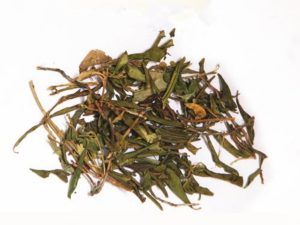
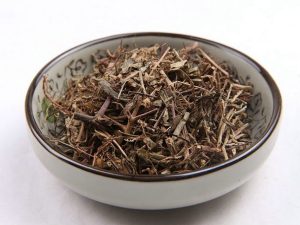
The whole plant is shriveled into a cluster and sparsely covered with soft hairs. Several stems grow in a clump; they are yellowish-green or slightly purplish. Leaves are alternate and mostly shriveled; when a complete leaf is flattened, it appears linear-lanceolate or obovate, 1–3.5 cm long and 0.3–1 cm wide, with a gradually tapering apex, a base that gradually narrows and extends downward to form a short petiole, sparsely and shallowly toothed margins, and a prominent midrib.Flowers are solitary in leaf axils and pale yellow. The capsule splits into two valves; it has a fragrant odor and a slightly pungent taste.
Botanical Information
Botanical Classification
A plant of the family Myrtaceae, known as "Ligenxiang."
Morphological Characteristics
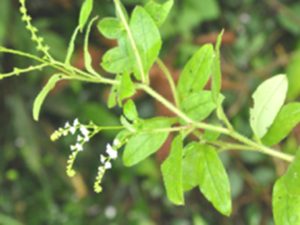
An annual herb, erect, with only a single main stem, which may be branched, or with multiple stems growing in a tuft; 5–15 cm tall; branches sometimes prostrate after flowering. Stems slender, glabrous below, sparsely covered with stiff hairs above.Basal leaves are numerous, with petioles up to 1.5 cm long; leaf blades are oblong to linear-oblong, 2–5 cm long and 3–6 mm wide, with only one prominent midrib; margins bear sparse triangular teeth; sparse stiff hairs are present only along the margins and on the abaxial surface of the midrib; lower cauline leaves have shorter petioles, with leaf blades of the same shape but smaller;the upper cauline leaves are sessile, of the same type but with smaller leaf blades, sometimes less than 1 cm long. Flowers are solitary in the leaf axils; each cauline leaf axil bears a flower, so the plant is covered with flowers from the base to the apex. Sometimes lateral branches are short and bear many flowers, almost forming a raceme.The pedicels are long and slender, or extremely short, 2–8 mm long, sparsely covered with stiff hairs; the calyx tube is only 2 mm long, densely covered with stiff hairs, and the lobes are linear-lanceolate, about 4 mm long;The corolla is purple on the outside with a glossy brown tint, yellow on the inside with orange spots, and 8 mm long; the stamens are 3 mm long, with anthers bearing short apical points. The capsule is ovoid, 3 mm in diameter, and contains 5 seeds. The seeds are ovate, 4 mm long, and 2 mm in diameter. Flowering and fruiting occur from November to March of the following year.
Distribution Area
Distributed in Fujian.