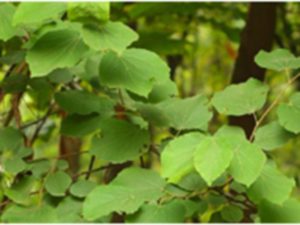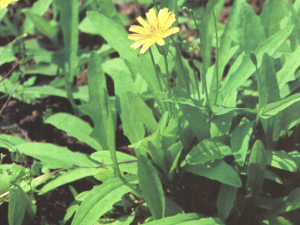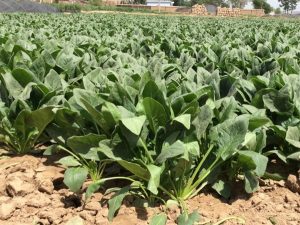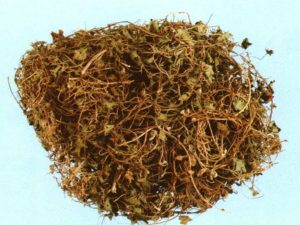
Maple-leaved Hemostatic Herb, a name in traditional Chinese medicine. It is the whole plant of Hydrocotyle benguetensis Elm. [H. ranunculifolia Ohwi], a member of the Apiaceae family.It is distributed in Taiwan. It has the effects of clearing heat, cooling the blood, promoting urination, and detoxifying. It is commonly used for the common cold, sore throat, high fever with mental confusion, diarrhea and dysentery, urinary calculi, swelling and pain from trauma, boils and abscesses, and shingles.
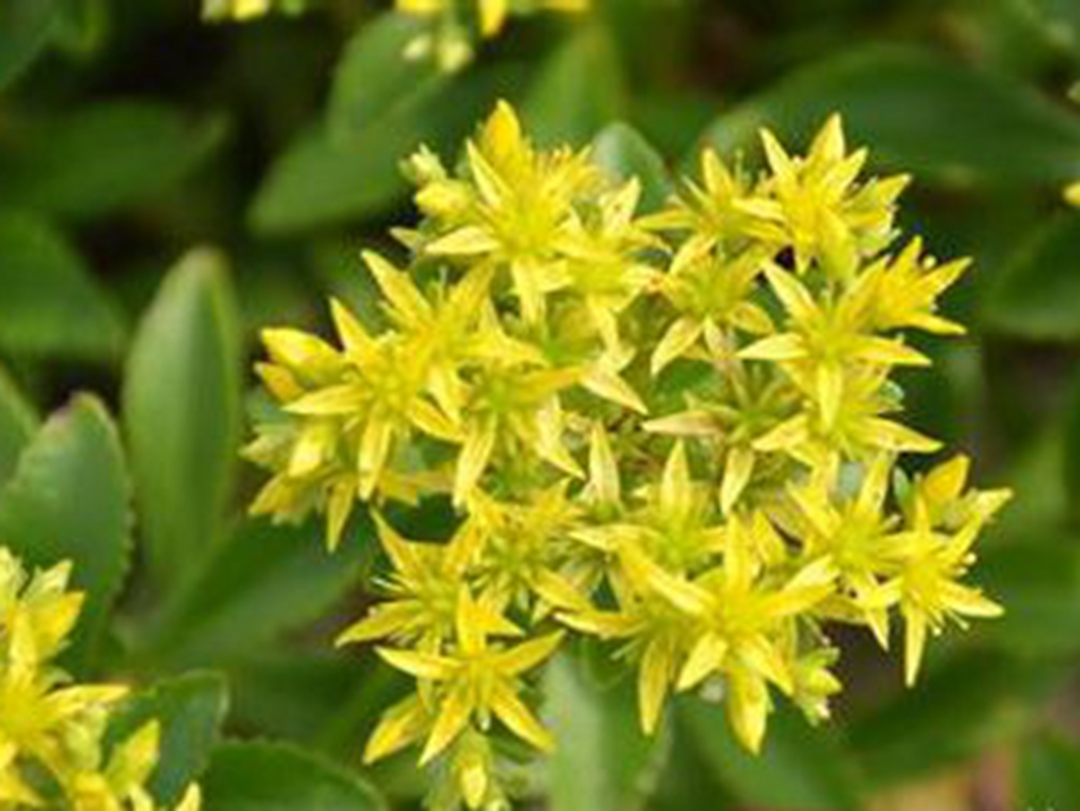
Maple-leaved Hemostatic Herb
Maple-leaved Hemostatic Herb, a name in traditional Chinese medicine. It is the whole plant of Hydrocotyle benguetensis Elm. [H. ranunculifolia Ohwi], a member of the Apiaceae family.It is distributed in Taiwan. It has the effects of clearing heat, cooling the blood, promoting urination, and detoxifying. It is commonly used for the common cold, sore throat, high fever with mental confusion, diarrhea and dysentery, urinary calculi, swelling and pain from trauma, boils and abscesses, and shingles.
Chinese Name : 槭叶止血草
Aliases : Variant Ground Ivy, Pervasive Gold
Nature, Flavor & Meridian Tropism : Pungent in taste, cool in nature
Benefits & Efficacy
Benefits
Clears heat and cools the blood; promotes urination and detoxifies.
Indications
Used for the common cold, sore throat, high fever with mental confusion, diarrhea and dysentery, urinary calculi, trauma-induced swelling and pain, boils and abscesses, and shingles.
Usage and Dosage
Internal use: Decoct 15–30 g; or extract the juice. External use: Apply an appropriate amount as a poultice.
Applications
Related Compatibility
1. For sore throat: 40 g each of Variant Ground Ivy, Bamboo Leaf Herb, and Bai Zheng Cao (White Horse Centipede). Pound to extract juice, then add a pinch of salt.
2. For encephalitis and enteritis: Variant Ground Ivy, Horsetail, Clam Shell Grass, Fly Wing, Red Underleaf, Red Bone Clam Shell Grass, and Water Bamboo Grass (each in appropriate amounts). Extract the juice, warm it slightly, and steep cinnabar in it before drinking. Decoct the residue in water and drink it as tea.
3. For kidney stones: 75–150 g of fresh Variegated Ivy. Decoct in water and drink.
4. For treating neonatal toxin in infants: 40 g each of fresh Variegated Ivy, River Milk Bean Grass, Horsetail, Verbena, Single-Stem Incense, and Mouse-tail Grass. Pound to extract juice, mix with winter honey, and drink. (Formulas 1–4 are from *Flora of Medicinal Plants of Taiwan*)
Notes
Other plants with similar effects include Hydrocotyledichomdroides Makino (also known as False Variant Ground Ivy or Variant Ground Ivy’s Uncle) from the same genus, as described in *Flora of Medicinal Plants of Taiwan*. It is distributed in Taiwan (Taipei).
Processing & Preparation
Harvesting & Processing
Harvest in summer and fall; wash thoroughly and use fresh.
Crude Drug Identification
Botanical Information
Botanical Classification
A plant of the Apiaceae family, Luzon Coriander.
Morphological Characteristics
Perennial herb. Stems are slender and long, prostrate or ascending.Leaves are alternate; petioles are 3–15 cm long and pubescent; leaf blades are deeply 3-lobed, round to ovate, 1–2.5 cm long and 1–3 cm wide, with lobes further divided into three and sparsely pubescent. Umbels bear 2–13 flowers; pedicels are approximately 1 mm long; bracts are persistent; flowers are white. Fruits are nearly round, 0.8–1.5 mm in diameter.
Distribution Area
Distributed in Taiwan.