Mountain Turtle is the name of a traditional Chinese medicine. It refers to the tuberous roots of plants in the genus Cissus of the Menispermaceae family, including Guangxi Cissus, Southern Guangxi Cissus, Large-leaved Cissus, Lotus-bud Cissus, Mashan Cissus, Small-flowered Cissus, and Yellow-leaved Cissus.This herb has a bitter taste and a cold nature; it enters the Stomach and Liver meridians. It has the effects of dispersing blood stasis and relieving pain, as well as clearing heat and detoxifying. It is primarily used to treat stomach pain, dysentery, sore throat, trauma, boils, abscesses, and swellings, as well as venomous snake bites.
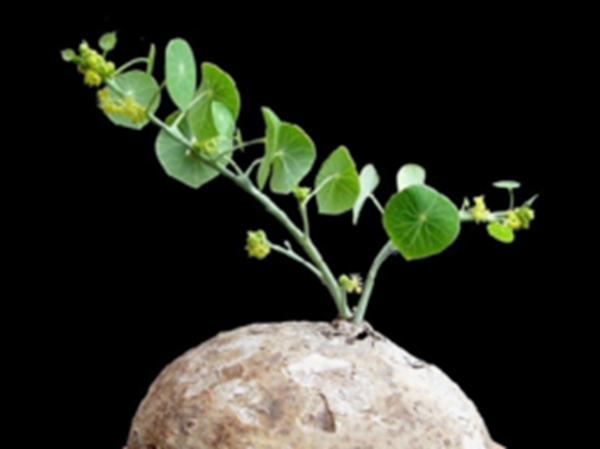
Mountain Turtle
Mountain Turtle is the name of a traditional Chinese medicine. It refers to the tuberous roots of plants in the genus Cissus of the Menispermaceae family, including Guangxi Cissus, Southern Guangxi Cissus, Large-leaved Cissus, Lotus-bud Cissus, Mashan Cissus, Small-flowered Cissus, and Yellow-leaved Cissus.This herb has a bitter taste and a cold nature; it enters the Stomach and Liver meridians. It has the effects of dispersing blood stasis and relieving pain, as well as clearing heat and detoxifying. It is primarily used to treat stomach pain, dysentery, sore throat, trauma, boils, abscesses, and swellings, as well as venomous snake bites.
Chinese Name : 山乌龟
Aliases : Ground Turtle, Hanging Golden Turtle, Golden-Thread Hanging Turtle
Authentic Producing Area : Guangxi, Yunnan, Guizhou
Nature, Flavor & Meridian Tropism : Bitter in taste, cold in nature; enters the Stomach and Liver meridians
Benefits & Efficacy
Benefits
Dispels blood stasis and relieves pain; clears heat and detoxifies.
Indications
Mountain Turtle is primarily used to treat stomach pain, dysentery, sore throat, trauma, boils, abscesses, and swollen areas, as well as venomous snake bites.
Usage and Dosage
1. Internal use: Decoct 6–15 g in water. 2. External use: Apply an appropriate amount of the fresh herb, pounded and applied to the affected area.
Precautions
Use with caution during pregnancy.
Pharmacological Actions
This herb has analgesic and sedative effects.
Applications
Notes
1. “Mountain Turtle” is a folk medicine used in Southwest China, South China, and areas south of the Yangtze River basin. According to research, the medicinal plants commonly referred to as “Mountain Turtle” in folk medicine constitute a group of plants with similar tuberous roots, all belonging to the genus Cissus within the family Menispermaceae. In addition to the seven species mentioned above, this group also includes Blood-dispersing Yam and Jiangnan Di Rong. 2. Patients requiring treatment with traditional Chinese medicine should first consult a licensed TCM hospital, where a TCM practitioner will conduct a professional pattern differentiation and issue a prescription.
Processing & Preparation
Harvesting & Processing
They can be harvested year-round; wash, slice, and sun-dry them.
Storage Methods
Store in a well-ventilated, dry place to prevent mold.
Crude Drug Identification
Properties of Crude Drugs
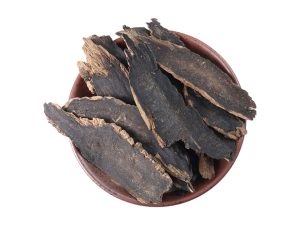
The tuberous roots are spherical or flattened-spherical, or irregularly lumpy, with a diameter of 10–40 cm, sometimes reaching 50–70 cm, weighing several kilograms, and in some cases up to tens of kilograms. The surface is brown, grayish-brown to dark brown, with irregular fissures and numerous small protrusions scattered across it.Commercially available products are typically cross-sliced or lengthwise-sliced, with a diameter of 2–7 cm and a thickness of 0.5–1 cm; a fresh cut surface that is pale yellow to yellow, or one that turns deep yellow-brown after storage, indicates the presence of cratyloside; a white cut surface usually indicates that the substance is absent or present in low concentrations. The cross-section often reveals vascular patterns (three vascular bundles) arranged in concentric rings; after drying, these appear as slightly raised dots.It has a faint odor and a bitter taste.
Botanical Information
Botanical Classification
Plants of the genus Cissus in the family Menispermaceae, including Guangxi Cissus, Southern Guangxi Cissus, Large-leaved Cissus, Lotus-bud Cissus, Mashan Cissus, Small-flowered Cissus, and Yellow-leaved Cissus.
Morphological Characteristics
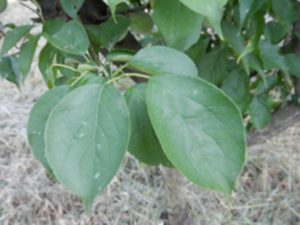
1. Guangxi Dirong (Corydalis chinensis): A perennial herbaceous vine, 1–3 m long. The tuberous root is flattened-spherical or irregularly spherical, usually exposed above ground; the outer skin is grayish-brown, rough, and scattered with lenticel-like small protrusions; the inner surface is pale yellow or yellow. Stems and branches are round, 2–3 mm in diameter, with straight striations, and glabrous.Leaves are alternate; petioles are 4–9 cm long, geniculate at the base, and shield-shaped;leaf blades are triangular-orbicular or nearly circular, with length and width nearly equal (both 5–12 cm); the apex is short-acuminate or acute, the base is rounded, the margin is entire or sometimes with angular, coarse teeth toward the upper part; both surfaces are glabrous, the upper surface is pale green, the lower surface is pale grayish-white, and densely covered with small papillae; there are 5–7 palmate veins, often dichotomously branched, with the descending branches being thinner and often unbranched; the reticulate veins are slightly prominent; the texture is papery.Flowers are small, unisexual, and dioecious; both male and female plants bear compound umbel-like corymbs, axillary;the inflorescence peduncle of the male inflorescence is 2–7 cm long, with 6–10 pseudopedicels, each 0.5–2 cm long, bearing small bracts; numerous small corymbs are densely arranged in a corymbose arrangement near the tips of the pseudopedicels; male flowers;Sepals 6, pale green, arranged in two whorls; the outer whorl spatulate-oblanceolate or obovate, 1.5–1.6 mm long, 0.4–0.6 mm wide; the inner whorl broadly obovate, 1–1.2 mm long; all densely covered with small transparent papillae on the outer surface;Petals 3, pale yellow, fleshy, shell-shaped, 0.7–0.8 mm long, sometimes up to 1 mm, densely covered with small transparent papillae on the outer surface, with 2 large cushion-like glands on the inner surface; filament 0.7–1 mm long, with 4 anthers;The inflorescence stalk of the female inflorescence is relatively thick, and the pseudopedicel is 3–4 mm long; female flowers: the perianth is bilaterally symmetrical; there is a single sepal, nearly ovate, approximately 0.3 mm long, borne on one side of the flower; there are two petals, broadly ovate, 0.4–0.8 mm long;The ovary is glabrous; the drupe is red; the endocarp is broadly obovate, approximately 5 mm long and 4 mm wide, with 4 rows of hook-like scutes on the back, each row containing 18–19 scutes; the placental scar is perforated in the center. Flowering occurs from May to June; fruiting occurs from June to August.
2. Guinan Diyongong, a perennial herbaceous vine that can grow up to 3 m in length. The entire plant is glabrous.The tuberous roots are small, typically less than 10 cm in diameter. Stems and branches are slender; leaves are alternate. Petioles are usually shorter than the leaf blades and rarely nearly as long or longer than the blades; they are attached in a shield-like manner. Leaf blades are triangular to nearly circular, 7–10 cm long and wide, with a short acute apex, a nearly truncate or slightly rounded base, and entire margins or margins with a few coarse teeth. There are 9–10 palmate veins, with distinct reticulate veins; the leaves are papery.Flowers are small, unisexual, and dioecious; male plants bear compound umbel-like corymbs, solitary in leaf axils or in groups of several on short branches bearing small leaves, and are slightly fleshy;the inflorescence peduncle is 1–4 cm long and slender; there are 6–7 umbel pedicels, each about 1 cm long, with linear bracts; female plants bear corymbose inflorescences, axillary, with a main peduncle about 0.5–4 cm long and umbel pedicels about 1 cm long; male flowers;6 sepals, pale green, arranged in 2 whorls; outer sepals nearly oblanceolate, ca. 1.5 mm long, ca. 0.9 mm wide; inner sepals obovate, ca. 1.5 mm long, ca. 0.9 mm wide; 3 petals, orange-yellow, fleshy, broadly cuneate, ca. 0.8 mm wide, with 2 glands at the base of the inner surface;The staminal column is about 1 mm long, with 6–7 anthers. The drupe is obovate, red, with a straight pedicel 2–3 mm long; the endocarp is about 6.5 mm long and 5.5 mm wide, with 4 rows of columnar carvings on the back, each row containing about 18–20 carvings, and a perforation in the center of the placental scar. Flowering period: April–June; fruiting period: May–August.
3. Large-leaved Dìbùróng, also known as Long-stalked Qianjinteng (*List of Seed Plants of Yunnan*). A perennial herbaceous vine. Branches are somewhat stout and glabrous.Leaves are alternate; petioles are 10–20 cm long, with shield-shaped attachment; leaf blades are triangular to nearly circular, approximately 10–19 cm in both length and width, with a blunt or shortly acuminate apex, a nearly truncate base, entire or undulate margins, and glabrous on both surfaces; there are 9–12 palmate veins, with 5–7 ascending veins and the descending ones being slenderer; reticulate veins are slightly prominent, and the texture is thin and papery.Flowers small, unisexual; dioecious; compound umbel-like cymose inflorescences, axillary or borne on slightly fleshy short branches; inflorescence peduncle of male inflorescences 2–5 cm long, with 5–7 umbel pedicels; pedicels of small cymes pubescent; male flowers;6 sepals, arranged in 2 whorls, obovate-rhombic, 1.5–1.7 mm long, pubescent or bristly on the underside; 3 petals, broadly cuneate, ca. 0.7 mm long, fleshy, apex shallowly undulate or inconspicuously 2-lobed, margins on both sides thickened, arranged in a valvate manner; stamens with fused anthers, 0.6–0.7 mm long;Female inflorescence with a peduncle 2–12 cm long and short pedicels; female flowers; 1 sepals, elliptic-ovate, ca. 1 mm long; 2 petals, nearly round, ca. 0.7 mm long; ovary nearly obovate.The drupe is obovate, approximately 6–7 mm long; the endocarp is 5–6 mm long, with 4 rows of hook-like scutes on the back, each row containing about 16 scutes. The placental scar is perforated. Flowering occurs in spring; fruiting occurs in summer and fall.
4. He Bao Di Rong, a perennial herbaceous vine. It grows to about 3 m in length. Stems and branches are slender and turn purplish-brown when dry. Leaves are alternate;petioles are nearly as long as the leaf blades, or much longer, and are shield-shaped; leaf blades are triangular to nearly circular, 8–10 cm long and wide, sometimes reaching 15 cm, with a short or blunt apex, a nearly truncate or rounded base, entire margins or coarse angular teeth, and occasionally 3–5 shallow lobes; there are 10–11 palmate veins, with an indistinct reticulate pattern, and the texture is thin and papery.Flowers are small, unisexual, and dioecious; male plants bear compound umbel-like corymbs, usually axillary or arising from leafless short branches, slightly fleshy, with an inflorescence stalk 2.5–6 cm long and 5–10 umbel pedicels;Male flowers; sepals 6, pale green, arranged in 2 whorls; outer whorl sepals oblanceolate or obovate, ca. 1.5 mm long, 0.6–0.7 mm wide; inner whorl sepals nearly rhomboid, ca. 1.5 mm long, 1.2–1.4 mm wide;Petals 3, yellowish-green, slightly fleshy, broadly cuneate, ca. 0.7 mm long, ca. 0.8 mm wide, with 2 glands on the inner surface;The staminal column is approximately 0.7 mm long; there are usually 6 anthers; the pedicel is 0.5–2 mm long and slender; female plants bear compound umbel-like corymbs, axillary; the inflorescence peduncle is 3–7 cm long; the ray pedicels are 3–4 mm long, numbering more than 10, fleshy, and black when dry; female flowers;The perianth is bilaterally symmetrical; there is one minute sepal; two petals, broadly ovate-orbicular, approximately 0.6 mm long; the ovary is broadly obovate. The drupe is red, broadly obovate; the fruit stalk is fleshy; the endocarp is 7–7.5 mm long and approximately 6 mm wide, with four rows of short columnar carvings on the back; the apex is swollen into a cap-like structure, and the placental scar is perforated.Flowering period: July–August; fruiting period: August–October.
5. Mashan Dirong, a perennial herbaceous vine with a large tuberous root and relatively stout stems and branches. Leaves are alternate; petioles are usually shorter than the leaf blades, rarely nearly as long or slightly longer, and are shield-shaped at the base;the leaf blade is triangular to nearly circular, 8–18 cm long and 8–18 cm wide, or slightly shorter, with a short acute or obtuse apex bearing a small protrusion; the base is nearly truncate, rarely slightly rounded or slightly concave; the margin is entire or bears shallow, wavy, coarse teeth, sometimes angular; there are 10 palmate veins (rarely 9–10), which are relatively thick, with distinct reticulate veins;brown on the underside when dry, papery. Flowers small, unisexual, dioecious; male plants bear compound umbel-like corymbs, axillary or borne on short branches with small leaves, with an inflorescence peduncle 3–8 cm long, 5–8 umbel pedicels 1–3.5 cm long, bracts linear or occasionally leaf-like; male flowers;6 sepals, yellowish-green, arranged in 2 whorls, narrowly elliptic or nearly lanceolate, 1.9–2 mm long, ca. 0.6 mm wide; 3 petals, orange-yellow, broadly cuneate, apex truncate or slightly shallowly undulate, base thickened, 0.6–0.7 mm long, arranged imbricate, without glands;The staminal column is approximately 1 mm long; female plants bear capitula; the peduncle is relatively thick, with the pedicel being extremely short during flowering but elongating during fruiting; female flowers; the perianth is bilaterally symmetrical, with 1 minuscule, scale-like sepals; 2 petals, slightly larger, orange-yellow; the ovary is broadly obovate.The drupe is red, broadly obovate; the endocarp is 7.5–8 mm long and about 6 mm wide, with 4 rows of columnar carvings on the back, the apex hooked and spiny, each row containing 19–20 seeds, and the placental scar perforated. Flowering period: May–June; fruiting period: June–September.
6. *Dendropanax micranthus*, a perennial herbaceous vine. The tuberous root is massive. Stems and branches are slender; the entire plant is glabrous. Leaves are alternate; petioles are slender, usually longer than the leaf blade, and shield-shaped at the base;leaf blades are triangular-obovate or nearly round, 3.5–7.5 cm long and 4–8 cm wide, with a rounded-blunt or acute apex, a base nearly truncate or slightly concave, margins entire or shallowly undulate, or with 3–5 shallow lobes; the upper surface is green, while the lower surface is densely covered with small papillae along the reticulate veins; there are 9–10 slender palmate veins; the texture is papery.Flowers are small, unisexual, and dioecious; male plants bear compound umbel-like cymes, axillary or in groups of several on short, slightly fleshy branches; the inflorescence peduncle is 1–2 cm long, occasionally reaching 4 cm; there are 4–7 umbel pedicels, 3–10 mm long; bracts are linear; the small cymes are somewhat dense;Male flowers: 6 sepals arranged in 2 whorls; the outer whorl is oblanceolate, and the inner whorl is obovate, 1.3–1.5 mm long; 3 petals, orange-yellow, shell-shaped, 0.6–1 mm long, with a truncate or nearly truncate apex, slightly thickened at the base, and without glands; the staminal column is about 0.7 mm long, with 6 anthers;Female plants bear capitate corymbs; the main peduncle is about 1 cm long and slightly thick; both the corymb pedicels and the pedicels of the small corymbs are extremely short; the drupes are obovate and red; the endocarp is 6–7 mm long and 4–5 mm wide, with 4 rows of short, columnar carvings on the back, ending in hook-like spines, with 20–25 seeds per row; the placental scars are perforated.Flowering period: April–June; fruiting period: May–August.
7. Yellow-leaved groundcover (Huangye Dìbùróng), a perennial deciduous vine with a large tuberous root. The base of the stem is slightly lignified, while the current-year branches are herbaceous. Leaves are alternate; the petiole is nearly as long as or longer than the leaf blade, often twisted at the base and attached in a shield-like manner;the leaf blade is triangular-orbicular or nearly orbicular, typically 8–15 cm in length and width, rarely reaching 20 cm; those on lateral branches are smaller than 8 cm; the apex is short-acuminate or slightly obtuse; the base is nearly truncate or rounded, sometimes slightly concave; the margin is entire or shallowly undulate, occasionally with angular teeth on one or both sides; both surfaces are glabrous and turn greenish-yellow when dry;The palmate veins consist of 5–6 ascending veins, which are relatively thick, and 6–8 descending veins, which are slender; all are slightly raised on the underside of the leaf, turning bright yellow when dry, and papery in texture.Flowers are small, unisexual, and dioecious; male plants bear compound umbel-like corymbs, axillary or borne on short branches. The inflorescence peduncle is usually longer than the petiole, with linear or leaf-like bracts at the apex. There are 5–6 umbel pedicels, 1.5–5 cm long, bearing several small corymbs clustered at the tips of the pedicels;Male flowers; 6 sepals, yellowish-green, arranged in 2 whorls; the outer whorl elliptic or rhomboid-elliptic, rarely obovate-cuneate, 2–2.2 mm long, 1.4–1.6 mm wide, with the upper margin often revolute; the inner whorl nearly similar in shape to the outer whorl or broadly obovate, up to 2 mm wide;petals 3, orange-yellow, arranged in a pinched manner, 1.1–1.2 mm long, ca. 1.5 mm wide, apex slightly concave, lateral margins inrolled, adaxial surface concave, inner surface with wart-like protrusions or cere-like patterns; filament 0.5–0.7 mm long;Female plants bear corymboid inflorescences, axillary or borne on short branches; the peduncle is usually much shorter than the petiole and slightly thicker; female flowers; perianth bilaterally symmetrical, with a single, scale-like sepals; two petals, nearly circular or shell-shaped, larger than the sepals; ovary broadly obovate.The drupe is yellowish-red, broadly obovate; the endocarp is 6–7 mm long and 5–6 mm wide, with 4 rows of short, columnar carvings on the back; the apex is swollen into a cap-like structure, with 16–20 seeds per row, and the placental scar is perforated near the center. Flowering occurs from April to May, and fruiting from May to August.
Distribution Area
1. Guangxi Dierong: Distributed in southwestern Guangxi and southeastern Yunnan. 2. Southern Guangxi Dierong: Distributed in Longzhou County, Guangxi. 3. Large-leaved Dierong: Distributed in southwestern Guangxi and southern Yunnan. 4. Lotus-bract Dierong: Distributed in eastern and western Yunnan. 5. Mashan Dierong: Distributed in Mashan, Du’an, and other areas of Guangxi. 6. Small-flowered Di Rong: Found in Longzhou, Guangxi. 7. Yellow-leaved Di Rong: Found in central and western Guangxi, southern Guizhou, and southeastern Yunnan.