Rice Oil, a name in traditional Chinese medicine. It refers to the thick liquid that floats on the surface of the pot when cooking rice porridge. The plant is rice (Oryza sativa L.), widely cultivated in tropical Asia; southern China is the primary rice-producing region, though it is also grown in northern provinces. It has the effects of tonifying the kidneys and strengthening the spleen, as well as promoting diuresis and relieving dysuria. It is primarily used to treat spleen deficiency with emaciation, kidney deficiency leading to infertility, and cloudy, painful urination.
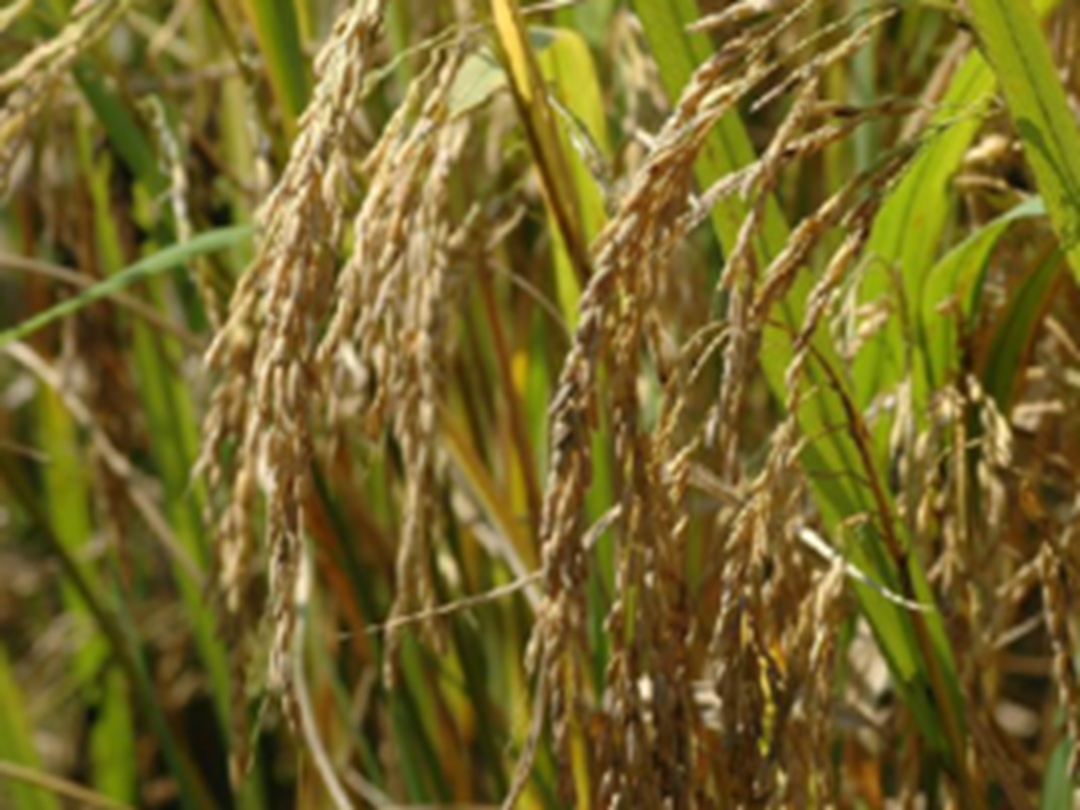
Rice Oil
Rice Oil, a name in traditional Chinese medicine. It refers to the thick liquid that floats on the surface of the pot when cooking rice porridge. The plant is rice (Oryza sativa L.), widely cultivated in tropical Asia; southern China is the primary rice-producing region, though it is also grown in northern provinces. It has the effects of tonifying the kidneys and strengthening the spleen, as well as promoting diuresis and relieving dysuria. It is primarily used to treat spleen deficiency with emaciation, kidney deficiency leading to infertility, and cloudy, painful urination.
Chinese Name : 米油
Aliases : Zhouyou (from *Chongqing Tang Suibi*)
Nature, Flavor & Meridian Tropism : Sweet in taste, neutral in nature. Enters the Kidney and Bladder meridians
Benefits & Efficacy
Benefits
Tonifies the kidneys and strengthens the spleen; promotes diuresis and relieves dysuria.
Indications
Spleen deficiency with emaciation, kidney deficiency causing infertility, and cloudy, painful urination.
Usage and Dosage
Oral use: 30–50 ml.
Precautions
Use with caution in cases of spleen deficiency with excessive dampness.
Relevant Discussions
*Supplements to the Compendium of Materia Medica*: “This refers to the foam skimmed from a boiling pot of congee, which is thick and slippery like grease.” “The oil is of good quality when produced in a large pot capable of cooking five sheng of rice or more.”
Applications
Related Compatibility
To treat infertility due to thin semen, collect the rice foam floating on the surface of boiling rice porridge, add a small amount of refined salt, and take it on an empty stomach. The semen will naturally thicken, and conception will follow. (*Supplements to the Compendium of Materia Medica*)
Processing & Preparation
Crude Drug Identification
Botanical Information
Botanical Classification
Oryza sativa, a member of the Oryza genus in the Poaceae family.
Morphological Characteristics
An annual aquatic herb. The culms are erect, 0.5–1.5 meters tall, varying by variety.Leaf sheaths are loose and glabrous; the ligule is lanceolate, 10–25 cm long, with both sides extending downward at the base to form the margins of the leaf sheath, bearing two sickle-shaped auricles that clasp the stem; the leaf blade is linear-lanceolate, approximately 40 cm long and about 1 cm wide, glabrous and rough.The panicle is large and spreading, approximately 30 cm long, with numerous branches and rough ridges; it droops downward when mature. Each spikelet contains one mature flower; it is strongly compressed on both sides, oblong-ovate to elliptical, approximately 10 mm long and 2–4 mm wide;The glumes are minute, leaving only a semilunar scar at the apex of the spikelet pedicel; there are two reduced outer glumes, spiny-conical, 2–4 mm long; the outer glumes of the two fertile flowers are thick, with five veins, the midrib forming a ridge, the surface bearing small, grid-like papillae, thick papery, densely covered with fine hairs, with or without awns;The inner glume is of the same texture as the outer glume, with 3 veins; its apex is acute and lacks a beak; there are 6 stamens, with anthers 2–3 mm long. The caryopsis is approximately 5 mm long, 2 mm wide, and 1–1.5 mm thick; the embryo is small, measuring about one-quarter of the caryopsis’s length.
Distribution Area
Widely cultivated in tropical Asia; southern China is the primary rice-producing region, though it is also grown in northern provinces.