Chuanbei, a name in traditional Chinese medicine. It refers to plants of the genus Fritillaria in the Liliaceae family, including Fritillaria cirrhosa D.Don (Chuanbei), Fritillaria unibracteata Hsiao et K.C.Hsia (Dark Purple Fritillary), Fritillaria przewalskii Maxim. (Gansu Fritillary),Fritillaria delavayi Franch., Fritillaria taipaiensis P.Y.Li, or Fritillaria unibracteata Hsiao et K.C.Hsia var. wabuensis (S.Y.Tang et S.C.Yue) Z. D.Liu, S. Wang and S.C. Chen. Authentic medicinal materials specifically refer to Sichuan fritillary, dark purple fritillary, Gansu fritillary, and Suosha fritillary produced in high-altitude regions such as Sichuan, Qinghai, Gansu, northwestern Yunnan, and southern and eastern Tibet. Depending on their physical characteristics, they are commonly known as “Songbei,” “Qingbei,” “Lubei,” and “cultivated varieties,” respectively.This product has the therapeutic effects of clearing heat and moistening the lungs, resolving phlegm and relieving cough, and dispersing nodules and eliminating abscesses. It is primarily used to treat lung-heat dry cough, dry cough with scant phlegm, yin-deficiency consumptive cough, coughing up blood, scrofula, mastitis, and lung abscess.
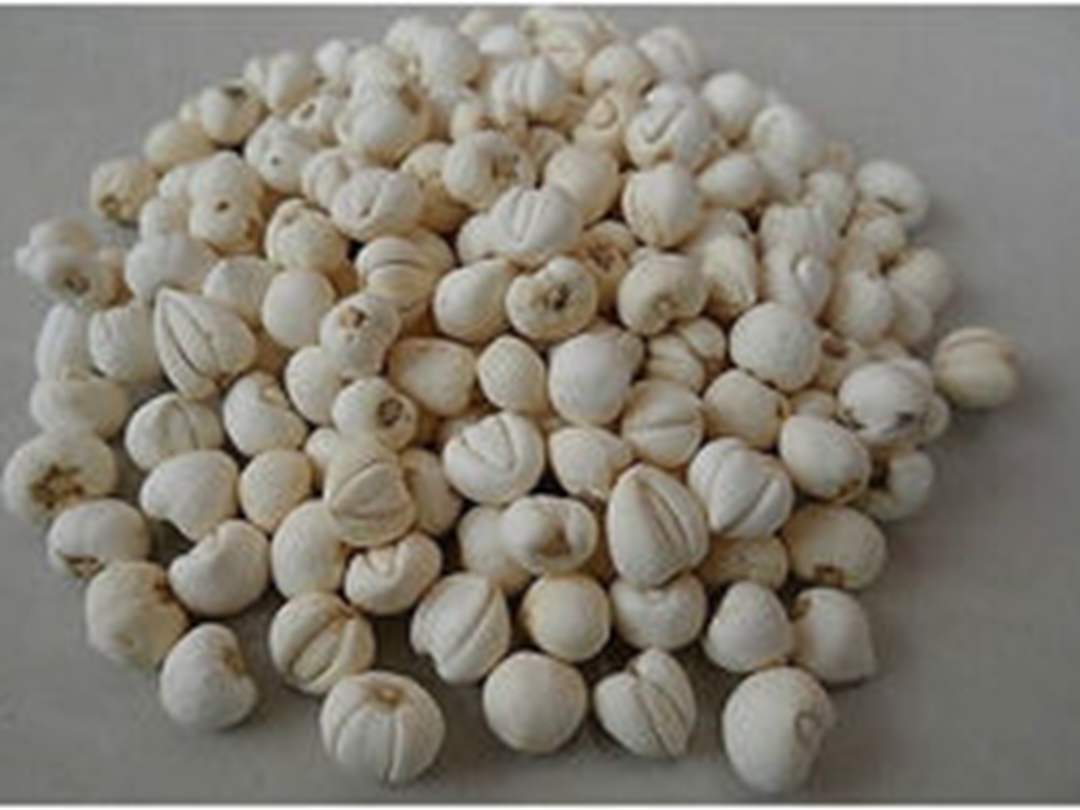
Sichuan Fritillary
Chuanbei, a name in traditional Chinese medicine. It refers to plants of the genus Fritillaria in the Liliaceae family, including Fritillaria cirrhosa D.Don (Chuanbei), Fritillaria unibracteata Hsiao et K.C.Hsia (Dark Purple Fritillary), Fritillaria przewalskii Maxim. (Gansu Fritillary),Fritillaria delavayi Franch., Fritillaria taipaiensis P.Y.Li, or Fritillaria unibracteata Hsiao et K.C.Hsia var. wabuensis (S.Y.Tang et S.C.Yue) Z. D.Liu, S. Wang and S.C. Chen. Authentic medicinal materials specifically refer to Sichuan fritillary, dark purple fritillary, Gansu fritillary, and Suosha fritillary produced in high-altitude regions such as Sichuan, Qinghai, Gansu, northwestern Yunnan, and southern and eastern Tibet. Depending on their physical characteristics, they are commonly known as “Songbei,” “Qingbei,” “Lubei,” and “cultivated varieties,” respectively.This product has the therapeutic effects of clearing heat and moistening the lungs, resolving phlegm and relieving cough, and dispersing nodules and eliminating abscesses. It is primarily used to treat lung-heat dry cough, dry cough with scant phlegm, yin-deficiency consumptive cough, coughing up blood, scrofula, mastitis, and lung abscess.
Chinese Name : 川贝母
Latin Name : Fritillariae Cirrhosae Bulbus
Aliases : Meng, Huangmeng, Shu, Beimu, Qinmu, Yaoshi
Authentic Producing Area : Sichuan, Qinghai, Gansu, Yunnan, Tibet
Nature, Flavor & Meridian Tropism : Taste: bitter, sweet; Nature: slightly cold; Enters the Lung and Heart meridians
Benefits & Efficacy
Benefits
Clears heat and moistens the lungs; resolves phlegm and relieves cough; disperses nodules and eliminates abscesses.
Indications
Lung heat with dry cough, dry cough with scant phlegm, yin deficiency with chronic cough, coughing up blood, scrofula, mastitis, and lung abscess.
Usage and Dosage
1. Internal use: Decocted as a soup, 3–9 g; ground into powder, 1–1.5 g; or incorporated into pills or powders. 2. External use: Apply an appropriate amount as a powder; or mix with a carrier and apply as a poultice.
Precautions
Patients requiring treatment with traditional Chinese medicine should first consult a licensed TCM hospital, where a TCM practitioner will conduct a professional pattern differentiation and issue a prescription.
Chemical Constituents
It primarily contains alkaloids such as Chuanbei alkaloid, Xibeimu alkaloid, Qingbei alkaloid, Songbei alkaloid, Songbei A, Beimu X, Beimu B, Songbei B,Sosa-Beimu alkaloid, Sosa-Beimu ketone alkaloid, Chuanbei ketone alkaloid, Sosa-Beimu fen alkaloid, and Sosa-Beimu fen ketone alkaloid; it also contains Min Shan alkaloid A, Min Shan alkaloid B, and others.
Pharmacological Actions
This product has expectorant, antitussive, and bronchodilatory effects.
Relevant Discussions
1. *Shennong Bencao Jing*: “It is primarily used for feverish agitation due to cold damage, dysuria caused by pathogenic factors, hernias and masses, sore throat, difficult lactation, traumatic wounds, and wind-induced spasms.”
2. *Hui Yan of Materia Medica*: “Fritillary bulb is a herb that relieves stagnation, descends qi, and transforms phlegm. It moistens the lungs, eliminates phlegm, stops coughing, and alleviates wheezing; thus, for conditions of consumptive disease with fire accumulation, fritillary bulb is the primary agent.”
Applications
Clinical Applications
1. To treat lung yin deficiency with chronic cough and phlegm, it is often combined with Saponaria root (沙参) and Ophiopogon tuber (麦冬) to nourish yin, moisten the lungs, resolve phlegm, and relieve cough.
2. To treat coughs caused by lung heat or dryness, it is often combined with Anemarrhena rhizome (知母) to clear lung heat, moisten dryness, resolve phlegm, and relieve cough, as in the “Two Mother Herbs Powder” (二母散) from *Emergency Divine Formulas* (*急救仙方*).
3. For scrofula caused by stagnation of phlegm-fire, it is often combined with Scrophularia root and oyster shell, as in the Xiao Jiao Pills (from *Insights into Medicine*).
4. For mastitis and lung abscess caused by stagnation of heat-toxin, it is often combined with dandelion and fishy grass to clear heat, eliminate toxins, reduce swelling, and disperse nodules.
Related Compatibility
1. Sichuan Fritillary Bulb combined with Bitter Apricot Kernel: Sichuan Fritillary Bulb is bitter and draining, sweet and moistening; it is slightly cold and clears heat. It excels at moistening the lungs and resolving phlegm, and can also clear and drain stagnant fire in the chest. Bitter Apricot Kernel is bitter and warm; it can promote lung function, disperse stagnation, descend qi, relieve wheezing, and stop coughing. When used together—one cooling, one warming; one moistening, one descending—they facilitate the flow of qi and resolve phlegm, thereby naturally alleviating wheezing and coughing. This combination is used for chronic cough due to lung deficiency, characterized by scant phlegm and a dry throat;It is also used to treat external invasion of wind-cold, phlegm-heat stagnating in the lungs, and coughing up yellow phlegm.
2. Fritillaria cirrhosa combined with Anemarrhena asphodeloides: Both herbs clear the lungs and moisten dryness. Fritillaria cirrhosa has a bitter and sweet taste, a cold nature, and a moisturizing quality; it is particularly effective at moistening the lungs and relieving cough, while also clearing the lungs and resolving phlegm. Anemarrhena asphodeloides has a bitter and sweet taste, a cold nature, and a moisturizing quality; it excels at purging lung heat, moistening lung dryness, generating body fluids, and nourishing yin.When used together, these two herbs complement each other perfectly, enhancing their ability to clear lung heat and moisten dryness while also resolving phlegm, relieving cough, and nourishing lung yin. This combination is suitable for dry coughs without phlegm—or with scant, sticky phlegm that is difficult to expectorate—resulting from dry heat invading the lungs or yin deficiency leading to dryness.
3. Chuan Beimu Combined with Houpo: Chuan Beimu is bitter and sweet with a slightly cold nature; it enters the Heart and Lung meridians and has the effects of clearing heat, moistening the lungs, resolving phlegm, and dispersing nodules. Houpo is bitter, pungent, warm, and drying; it can regulate qi to relieve fullness, warm the middle burner to dry dampness, and—once dampness is eliminated—dissolve phlegm, allowing lung qi to descend properly, breathing to become smooth, and the cough to subside on its own.When used together, these two herbs complement each other, effectively resolving phlegm, dispelling dampness, descending qi to stop coughing, and relieving stagnation and distension. Furthermore, the warmth and dryness of Houpo is tempered by the sweet and moistening nature of Chuan Beimu, eliminating the risk of damaging yin through excessive warmth and dryness. This combination is suitable for cough and wheezing caused by qi stagnation and phlegm accumulation, with phlegm and qi rebelling upward, accompanied by chest and abdominal distension due to stagnation of lung and spleen qi.
4. Chuan Beimu Combined with Bei Shashen: Chuan Beimu is sweet, cold, and moist in nature, particularly effective at moistening the lungs and relieving coughs, and capable of clearing lung heat and resolving phlegm; Bei Shashen is sweet, moist, bitter, and cold, excelling at tonifying lung yin and clearing lung heat. When used together, these two herbs work synergistically to nourish yin, moisten the lungs, resolve phlegm, and relieve coughs. This combination is suitable for dry coughs with scant phlegm, hemoptysis, or a dry throat and hoarseness resulting from yin deficiency with lung dryness and heat.
Medicinal Identification
1. Pinellia and Sichuan Fritillary Bulb: Both are phlegm-resolving herbs that function to resolve phlegm and disperse nodules. However, Sichuan Fritillary Bulb is sweet, moist, and bitter with a draining nature; it excels at clearing heat, resolving phlegm, moistening the lungs, and relieving coughs, and is used to treat coughs due to consumptive disease and dry coughs caused by lung heat. Pinellia is pungent, warm, and drying; its primary function is to dry dampness and resolve phlegm, and it is used for conditions involving damp phlegm and cold phlegm.In addition, Chuan Beimu also disperses nodules and is primarily used to treat scrofula and abscesses caused by stagnation of phlegm-fire; Pinellia can also descend counterflow qi to stop vomiting, eliminate fullness, and disperse nodules, and is used for vomiting, hiccups, epigastric fullness, plum-kernel qi, and chest constriction.
2. Trichosanthes and Sichuan Fritillary Bulb: Both can clear heat, resolve phlegm, and disperse nodules, and can be used to treat cough and wheezing due to phlegm-heat, as well as abscesses and toxic swellings. However, Trichosanthes excels at clearing lung heat and resolving phlegm; it is primarily used for cough and wheezing caused by lung heat. It can also relieve chest constriction, disperse nodules, lubricate the intestines, and promote bowel movements, making it suitable for treating chest bi and chest constriction, as well as intestinal dryness and constipation.Chuan Beimu specializes in clearing heat and resolving phlegm, with a broader range of applications, including wind-heat cough, phlegm-heat cough and wheezing, dry-heat cough, and consumptive cough.
3. Gynostemma and Sichuan Fritillary Bulb: Both herbs possess the efficacy of clearing heat and resolving phlegm, and are used for lung heat with thick phlegm, cough, and wheezing. However, Gynostemma can tonify lung qi, clear lung heat, and has the effects of resolving phlegm and relieving cough; therefore, it is often used for conditions involving both qi and yin deficiency, dry heat in the lungs, cough with sticky phlegm, and lung qi deficiency with excessive internal phlegm-dampness resulting in cough with copious phlegm.Chuan Beimu has a stronger moisturizing nature and excels at moistening the lungs, resolving phlegm, and relieving coughs; it is frequently used for dry coughs caused by yin deficiency. Jiaogulan can also tonify both qi and yin, nourish the heart, and calm the spirit. It is particularly suitable for conditions such as palpitations, insomnia, forgetfulness, frequent dreaming, and fatigue and weakness resulting from desk work-induced exhaustion, deficiency of heart qi, deficiency of heart yin, or overwork damaging the heart and spleen, leading to a deficiency of both qi and blood.Gynostemma pentaphyllum has a sweet taste and enters the Spleen meridian; it can tonify qi and strengthen the spleen, and is often used for those with spleen-stomach qi deficiency, physical fatigue and weakness, and poor appetite. Because of its slightly bitter and cold nature, it can also generate body fluids and quench thirst, making it particularly suitable for treating thirst, dry throat, and restlessness caused by concurrent deficiency of both qi and yin in the spleen and stomach.Chuanbei (Fritillaria cirrhosa) also has the effects of clearing heat, dispersing nodules, and reducing swelling, so it is also used for conditions such as scrofula and abscesses.
Related Medicines
Chuanbei Loquat Syrup, Chuanbei Pear Syrup, Compound Chuanbei Extract Tablets, Compound Chuanbei Fritillaria Tablets, Chuanbei Silver Ear Fungus Syrup.
Related Prescriptions
1. Fritillaria Decoction (from *Pu Ji Ben Shi Fang*)
Composition: Fritillaria, Scutellaria baicalensis, Dried Ginger, Tangerine Peel, Schisandra, Mulberry Bark, Pinellia, Bupleurum, Cinnamon Bark, Wood Fragrance, and Fried Licorice.
Functions and Indications: Resolves phlegm and relieves cough; suitable for persistent, long-standing coughs.
2. Fritillaria and Trichosanthes Powder (from *Yi Xue Xin Wu*)
Composition: Sichuan Fritillary Bulb, Trichosanthes Fruit, Trichosanthes Root, Poria, Dried Tangerine Peel, Platycodon Root.
Functions and Indications: Moistens the lungs and clears heat; regulates qi and resolves phlegm. Indicated for dry-lung cough characterized by a sudden, choking cough, difficult expectoration of thick, sticky phlegm, dryness and soreness in the throat, and a white, dry tongue coating.
3. Beimu Powder (from *Shenghui Fang*)
Composition: Sichuan fritillary bulb, thistle, and cattail pollen.
Functions and Indications: Clears heat and moistens the lungs; cools the blood and stops bleeding. Indicated for persistent epistaxis during febrile illnesses.
4. Neixiao Jiaoliao Pills (from *Medical Enlightenment*)
Composition: Summer Deadnettle, Scrophularia, Rock Salt, Sargassum, Sichuan Fritillary Bulb, Peppermint Leaves, Trichosanthes Root, Clam Powder, Bletilla, Forsythia, Cooked Rhubarb, Raw Licorice, Raw Rehmannia, Platycodon, Fructus Aurantii, Angelica, and Potassium Nitrate.
Functions and Indications: Clears heat and resolves phlegm; regulates qi and disperses nodules. Indicated for conditions characterized by phlegm stagnation and qi stagnation, such as scrofula nodules, goiters in the neck and nape, where the skin color remains unchanged but the swelling may be accompanied by pain.
5. Nourishing Yin and Clearing the Lungs Decoction (from *The Jade Key to Chonglou*)
Composition: Sichuan fritillary bulb, Moutan bark, mint, stir-fried white peony root, raw Rehmannia root, Ophiopogon tuber, raw licorice root, Scrophularia root.
Functions and Indications: Nourishes yin, clears the lungs, detoxifies, and relieves throat discomfort. Indicated for the yin-deficiency with dry heat pattern of diphtheria, characterized by a white, putrid-like coating in the throat that is difficult to wipe away and gradually spreads; the condition progresses rapidly; swelling and pain in the throat; fever or no fever at onset; dry nose and lips; cough or no cough; noisy breathing resembling but not quite wheezing; and a rapid, weak pulse or a fine, rapid pulse.
Medicinal Diet Therapy
Sichuan Fritillary Bulb, Honey Dates, and Pork Rib Soup
1. Benefits: Moistens the lungs and relieves cough.
2. Ingredients: 320 grams of pork ribs, 30 grams of Sichuan fritillary bulb, 30 honey dates, 2 slices of ginger, 1,500 milliliters of hot water, and salt to taste.
3. Preparation: Soak the Sichuan fritillary bulb in water for about 10 minutes; rinse the honey dates and set aside. Wash the pork ribs, blanch them, then remove and set aside. Place all ingredients in a slow cooker, add hot water, and steam in a steamer basket or pot for 1.5 hours. Season with salt to taste.
4. Usage: Serve as a side dish.
Notes
References: [1] Peng Cheng, ed. Pharmacology of Traditional Chinese Medicine, 3rd ed. [M]. “14th Five-Year Plan” Textbook Series for Pharmacy Programs at National General Higher Education Institutions of Traditional Chinese Medicine, 2024: 218–219. [2] Wu Zhigui, Chief Editor; Fan Cuisheng National Master of Traditional Chinese Medicine Inheritance Studio, Jiangxi University of Traditional Chinese Medicine; Affiliated Hospital of Jiangxi University of Traditional Chinese Medicine; Jiangzhong Pharmaceutical Co., Ltd., Chief Editors. *Concise Modern Materia Medica* [M]. 2024: 631–634. [3] Gao Cailan, Yin Peihao, He Xue, and Lin Yi, eds.; Yin Peihao, General Editor. Materia Medica for Medicinal and Edible Uses [M]. 2024: 130–133. [4] Hu Changjiang and Chen Zhimin, eds. Processing and Clinical Application of Authentic Medicinal Materials Produced in Sichuan [M]. 2023: 52–56. [5] State Pharmacopoeia Commission. Clinical Guidelines for the Pharmacopoeia of the People’s Republic of China: Volume on Traditional Chinese Medicinal Decoction Pieces (2020 Edition) [M]. Beijing: China Pharmaceutical Science and Technology Press, 2022:945–948. [6] China Association of Traditional Chinese Medicine. General Rules for the Formulation of Standards for Authentic Medicinal Materials [S]. Beijing: China Association of Traditional Chinese Medicine, 2019:300–309.
Processing & Preparation
Harvesting & Processing
Harvest in summer or autumn, or after snowmelt; remove fibrous roots, coarse bark, and soil; sun-dry or dry at low temperature.
Processing Methods
Take the raw herb and remove impurities; or soak it briefly in water, remove it, moisten it, split it into segments, remove the core, and dry it; or grind it into a fine powder; or rinse it lightly, moisten it until soft, cut it into very thin slices, and dry it.
Storage Methods
Store in a dry container in a well-ventilated, dry place to prevent insect infestation.
Crude Drug Identification
Identification
1. The powder of this product is off-white or pale yellow.
(1) Songbei, Qingbei, and cultivated varieties: Contain a large number of starch granules that are broadly ovate, oblong, or irregularly round; some have uneven edges or are slightly branched, with a diameter of 5–64 μm. The hilum is short, slit-like, punctate, chevron-shaped, or horseshoe-shaped, with faintly visible lamellar patterns.Epidermal cells are generally rectangular, with vertical walls slightly wavy; occasional adventitious stomata, round or flattened-round, are observed. Spiral vessels have a diameter of 5–26 μm.
(2) Lu Bei: Starch granules are broadly ovate, shell-shaped, reniform, or elliptical, with a diameter of up to approximately 60 μm; the hilum is chevron-shaped, star-shaped, or punctate, and the lamellar patterns are distinct.Spiral and reticulate vessels may reach a diameter of 64 μm.
2. Take 10 g of the powdered sample, add 10 mL of concentrated ammonia solution, seal tightly, and soak for 1 hour; add 40 mL of dichloromethane, subject to ultrasonic treatment for 1 hour, filter, and evaporate the filtrate to dryness; dissolve the residue in 0.5 mL of methanol to prepare the test solution.Separately, take a reference standard of fritillarin B, dissolve it in methanol to prepare a solution containing 1 mg per mL, and use this as the reference solution. Perform the test according to the Thin-Layer Chromatography method (General Chapter 0502). Pipette 1–6 μL of the test solution and 2 μL of the reference solution, and apply them separately onto the same silica gel G plate. Develop the plate using a mobile phase of ethyl acetate–methanol– concentrated ammonia solution – water (18:2:1:0.1) as the developing agent, remove the plate, allow it to air-dry, and spray successively with dilute potassium bismuth iodide solution and sodium nitrite in ethanol. In the test chromatogram, spots of the same color as those in the reference chromatogram appear at the corresponding positions.
Properties of Crude Drugs
1. Songbei: Conical or nearly spherical in shape, 0.3–0.8 cm high and 0.3–0.9 cm in diameter. The surface is off-white. The outer layer consists of two scale leaves of markedly different sizes; the larger leaf tightly encloses the smaller one, with the unencased portion forming a crescent shape, commonly known as “embracing the moon in the bosom”;The apex is closed, containing a cylindrical bud with a slightly pointed tip and 1–2 small scales; the tip is bluntly rounded or slightly pointed, the base is flat and slightly concave, with a grayish-brown bulbous disc at the center; residual fibrous roots are occasionally present. The texture is hard and brittle; the fracture surface is white and starchy. It has a faint odor and a slightly bitter taste.
2. Qingbei: Subglobose in shape, 0.4–1.4 cm tall and 0.4–1.6 cm in diameter. The outer layer consists of two scale leaves of similar size, clasping each other, with the apex split open; inside are a heart bud, 2–3 small scale leaves, and a slender, cylindrical remnant of the stem.
3. Lu Bei: Oblong-conical in shape, 0.7–2.5 cm tall and 0.5–2.5 cm in diameter. The surface is off-white or pale brownish-yellow; some specimens have brown spots. The outer scale leaves consist of two lobes of similar size, split at the apex and slightly pointed, with the base slightly pointed or somewhat blunt.
4. Cultivated variety: Subglobose or short cylindrical in shape, 0.5–2 cm tall and 1–2.5 cm in diameter. The surface is off-white or pale brownish-yellow, slightly rough, and some specimens have pale yellow spots. The outer layer consists of two scales of similar size; the apices are mostly split and relatively flat.
Properties of Processed Slices
Sichuan Fritillary Bulb is conical, 3–15 mm tall and 3–20 mm in diameter. The surface is off-white or pale yellow, sometimes with brown spots. The two outer scales are relatively thick, heart-shaped, and wrap around each other; inside are a heart bud and several small scales, with a pure white inner surface; or it may be off-white and garlic-clove-shaped; or in thin slices; or as off-white fine powder.It is hard and brittle, with a high starch content. It has a faint odor and a slightly bitter taste.
Botanical Information
Botanical Classification
Species of the genus Fritillaria in the Liliaceae family, including Sichuan Fritillary, Dark Purple Fritillary, Gansu Fritillary, Suosha Fritillary, Taibai Fritillary, or Wabu Fritillary.
Morphological Characteristics
1. Sichuan Fritillary (Chuan Beimu): A perennial herb with considerable variation in plant morphology. The corm is ovoid. Leaves are usually opposite, with a few in the middle being alternate or whorled; the tips are not curled or only slightly curled. Flowers are solitary at the stem apex and purplish-red.They feature small, light green square-patterned markings; the number of these markings varies greatly. In some flowers, the color may gradually transition from purple to pale yellow-green, with purple markings; there are three leaf-like bracts, slightly curled at the tips, 2–4 mm wide; the perianth consists of six segments, 3–4 cm long, with the outer three segments 1–1.4 cm wide and the inner three segments up to 1.8 cm wide.The nectaries are distinctly protruding on the abaxial surface; the stigma lobes are 3–5 mm long. The capsule is approximately 1.6 cm long and wide, with narrow wings 1–1.5 cm wide along the ridges. Flowering occurs from May to July; fruiting occurs from August to October.
2. Dark Purple Fritillary: A perennial herb, 15–40 cm tall. The bulb is spherical or conical. The stem is erect, glabrous, and green or deep purple. Except for the lowest pair, which are opposite, the leaves are alternate or nearly opposite and sessile; the leaf blades are linear or linear-lanceolate, 3.6–6.5 cm long, 3–7 mm wide, and acuminate at the apex.The flower is solitary at the stem apex; deep purple. Slightly marked with small yellowish-brown squares; with 1 leaf-like bract; 6 perianth segments, 2.5–2.7 cm long; the outer 3 segments nearly oblong, 6–9 mm wide; the inner 3 segments obovate-oblong, 10–13 mm wide; nectary pits not very prominent;There are 6 stamens; the anthers are attached near the base, and the filaments are sometimes densely covered with small papillae; the stigma is 3-lobed, with the lobes spreading outward, 0.5–1.5 mm long. The capsule is oblong, 1–1.5 cm wide, 6-angled, with narrow wings approximately 1 mm wide along the ridges. Flowering occurs in June, and fruiting in August.
3. Gansu Fritillary: A perennial herb, 20–45 cm tall. The corm is conical. The two lowest leaves on the stem are usually opposite, becoming gradually alternate toward the top; the leaves are linear, 3.5–7.5 cm long and 3–4 mm wide, with the apex usually not curled; the flower is solitary and terminal, rarely in pairs, pale yellow with blackish-purple spots;one leaf-like bract, the apex slightly curled or not curled; perianth segments 6, 2–3 cm long, the inner three 6–7 mm wide, nectary pits not very prominent;There are 6 stamens; the filaments are densely covered with papillate projections except at the tips; the stigma lobes are usually very short, less than 1 mm long, and rarely reach 2 mm. The capsule is about 1.3 cm long and 1–1.2 cm wide, with narrow wings approximately 1 mm wide along the ridges. Flowering occurs from June to July, and fruiting in August.
4. Spindle-seed Fritillary: A perennial herb, 20–40 cm tall. The bulb is oblong. Leaves are alternate, arranged relatively densely in the middle or upper third of the plant; leaf blades are narrowly ovate to ovate-elliptic, 2–7 cm long and 1–3 cm wide, with non-recurvate apices. The solitary flower is terminal, pale yellow, and bears reddish-brown spots;the outer perianth segments are 3.2–4.5 cm long and 1.2–1.5 cm wide, while the inner perianth segments are slightly longer and wider than the outer ones; there are 6 stamens; the stigma lobes are approximately 1 mm long. The wings along the ridges of the capsule are about 1 mm wide, and the persistent perianth often partially encloses the capsule. Flowering occurs from June to July, and fruiting from August to September.
5. Taibai Fritillary: A perennial herb, 30–50 cm tall. Flowers are yellowish-green, without checkered spots; the margins of the perianth segments’ apices bear purple bands; the leaf-like bracts are not curled. The corm is flattened ovoid or conical, 0.6–1.2 cm in diameter and 4–8 mm tall. The surface is white and relatively smooth.The two outer scale leaves are nearly equal in size, split at the apex, flat at the base, and bitter in taste.
6. Wabu Fritillary: The bulb is flattened-spherical, with usually two outer scales. During the vegetative growth season, only one basal leaf develops. During the reproductive growth season, the plant reaches a height of 50–115 cm and can be up to 1.3 cm in diameter.The lowest leaves are usually two, opposite; those above are whorled and alternate. Most leaves have unequal lateral margins and are slightly sickle-shaped; some are lanceolate-linear, 7–13 cm long and 9–20 mm wide. Flowers number 1–6; when first opening, they are yellowish-green or yellow. The inner surface may or may not have blackish-purple spots, while the outer surface exhibits purple or orange tinges.There are 1–4 leaf-like bracts; the perianth segments are obovate to oblong-obovate, 3.5–5.5 cm long; the midvein of the inner whorl curves inward near the base to form a 90° bend or an arc.The midrib of the outer whorl curves inward near the base to form an arc at an angle of 140°. Nectaries are 5–8 mm long. The filaments of the stamens are longer than the anthers; the styles are 3 mm long. The capsule is 3–5 cm long, with wings on the ridges 2 mm wide. The perianth falls off when the ovary becomes noticeably enlarged. Flowering period: May–June; fruiting period: July–August.