Silver-leaved Willow is a name used in traditional Chinese medicine. It refers to the roots or branches and leaves of Salix chienii, a plant in the willow family (Salicaceae). It is distributed in Jiangsu, Anhui, Zhejiang, Jiangxi, Hubei, and Hunan. It has the effects of clearing heat and detoxifying, dispelling wind and relieving itching, and alleviating pain. It is commonly used for colds with fever, sore throat, itchy skin, cystitis, urethritis, and pain from bruises and contusions.
Silver-leaved Willow
Silver-leaved Willow is a name used in traditional Chinese medicine. It refers to the roots or branches and leaves of Salix chienii, a plant in the willow family (Salicaceae). It is distributed in Jiangsu, Anhui, Zhejiang, Jiangxi, Hubei, and Hunan. It has the effects of clearing heat and detoxifying, dispelling wind and relieving itching, and alleviating pain. It is commonly used for colds with fever, sore throat, itchy skin, cystitis, urethritis, and pain from bruises and contusions.
Chinese Name : 银叶柳
Aliases : Small-leaved Willow, White Willow, Water Willow
Nature, Flavor & Meridian Tropism : Taste: pungent and bitter; nature: cold. Enters the Lung, Stomach, and Bladder meridians
Benefits & Efficacy
Benefits
Clears heat and detoxifies; dispels wind and relieves itching; alleviates pain.
Indications
Common cold with fever, sore throat, itchy skin, cystitis, urethritis, and pain from trauma.
Usage and Dosage
Internal use: Decoct 9–15 g. External use: Use an appropriate amount; decoct in water and use as a wash.
Relevant Discussions
*Compendium of Chinese Herbal Medicines*: “Clears heat and detoxifies; dispels wind and relieves itching. Primarily used to treat common cold with fever, sore throat, and skin itching.”
Applications
Related Compatibility
1. For common cold with fever and sore throat: 9–15 g of (Silver-leaf Willow) root. Decoct in water and take orally. (*Medicinal Plants of Zhejiang*)
2. For skin itching: 9–15 g of (Silver-leaf Willow) root; decoct in water and take orally. Additionally, take an appropriate amount of the root, decoct in water, and use the solution to wash the affected area. (*Medicinal Plants of Zhejiang*)
Processing & Preparation
Harvesting & Processing
Roots are typically harvested in summer and fall, while branches and leaves are best harvested in spring and summer; they may be used fresh or dried in the sun.
Crude Drug Identification
Botanical Information
Botanical Classification
Salix argentea (Silver-leaved Willow), genus Salix, family Salicaceae.
Morphological Characteristics
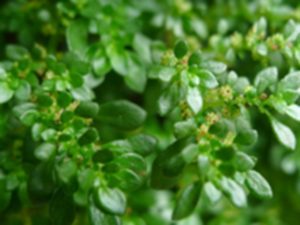
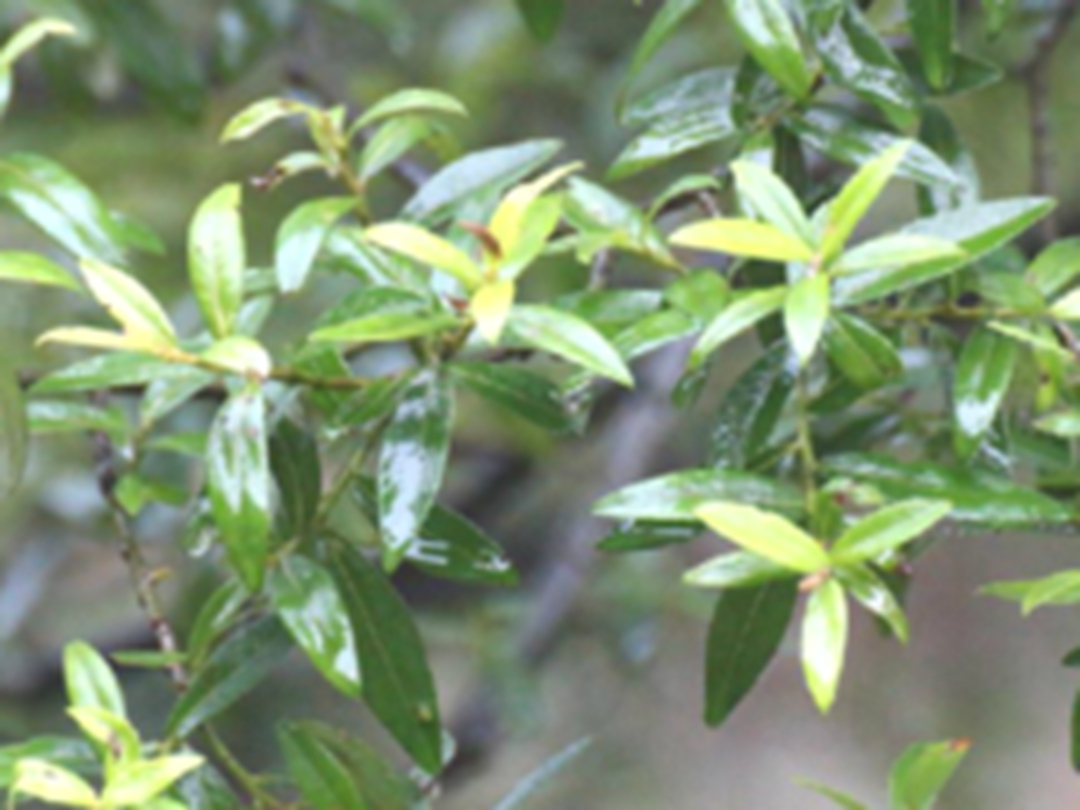
A shrub or small tree, reaching up to 12 meters in height. The trunk is usually twisted; the bark is dark brownish-gray with shallow longitudinal fissures; one-year-old branches are greenish and tomentose, later turning purplish-brown and nearly glabrous. Buds have blunt tips and are covered with short soft hairs.Leaves are oblong, lanceolate, or oblanceolate, 2–3.5 (5.5) cm long and 5–11 (13) mm wide, with an acute or obtuse apex and a broadly cuneate or nearly rounded base; young leaves are covered with silky pubescence on both surfaces, while mature leaves are green on the upper surface, glabrous or sparsely pubescent,the underside is pale green with silky pubescence, rarely nearly glabrous; lateral veins 8–12 pairs; margins with fine glandular teeth; petioles short, about 1 mm long, with silky pubescence.Inflorescences emerge simultaneously with the leaves or slightly before them; male inflorescences are cylindrical, 1.5–2 cm long, with short peduncles 3–6 mm long, bearing 3–7 leaflets at the base, and the rachis is long-hairy; stamens are 2, with filaments fused at the base and hairy at the base, and anthers are yellow; bracts are obovate, with an almost rounded or blunt apex, and long-hairy on both surfaces;There are 2 glands, one dorsal and one ventral; the female inflorescence is 1.2–1.8 cm long, with a short peduncle 2–5 mm long, bearing 3–5 leaflets at the base, and the axis is hairy; the ovary is ovate, about 2 mm long, sessile, glabrous, with a short, distinct style and a 2-lobed stigma; the bracts are ovate, with a rounded or obtuse apex, glabrous on both surfaces, and ciliate;Gland 1, ventral. Fruit cluster up to 2–4 cm long; capsule ovate-oblong, ca. 3 mm long. Flowering in April, fruiting in May.
Distribution Area
Distributed in Jiangsu, Anhui, Zhejiang, Jiangxi, Hubei, and Hunan.