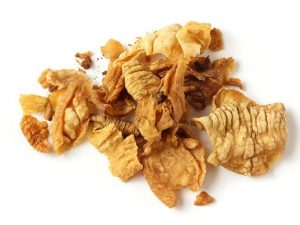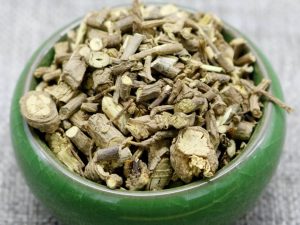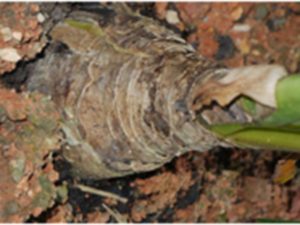
Zouma Tai is the name of a traditional Chinese medicine. It consists of the roots and rhizomes of Ardisia gigantifolia Stapf [A. pseudoverticillata Merr.], a plant belonging to the genus Ardisia in the family Ardisieaceae. It is distributed in Fujian, Jiangxi, Guangdong, Guangxi, Guizhou, Yunnan, and other regions. It has the effects of dispelling wind-dampness, promoting blood circulation to relieve pain, and resolving toxins to promote tissue regeneration.It is primarily used to treat rheumatic arthralgia, postpartum blood stasis, abscesses and ulcers, and swelling and pain caused by trauma.
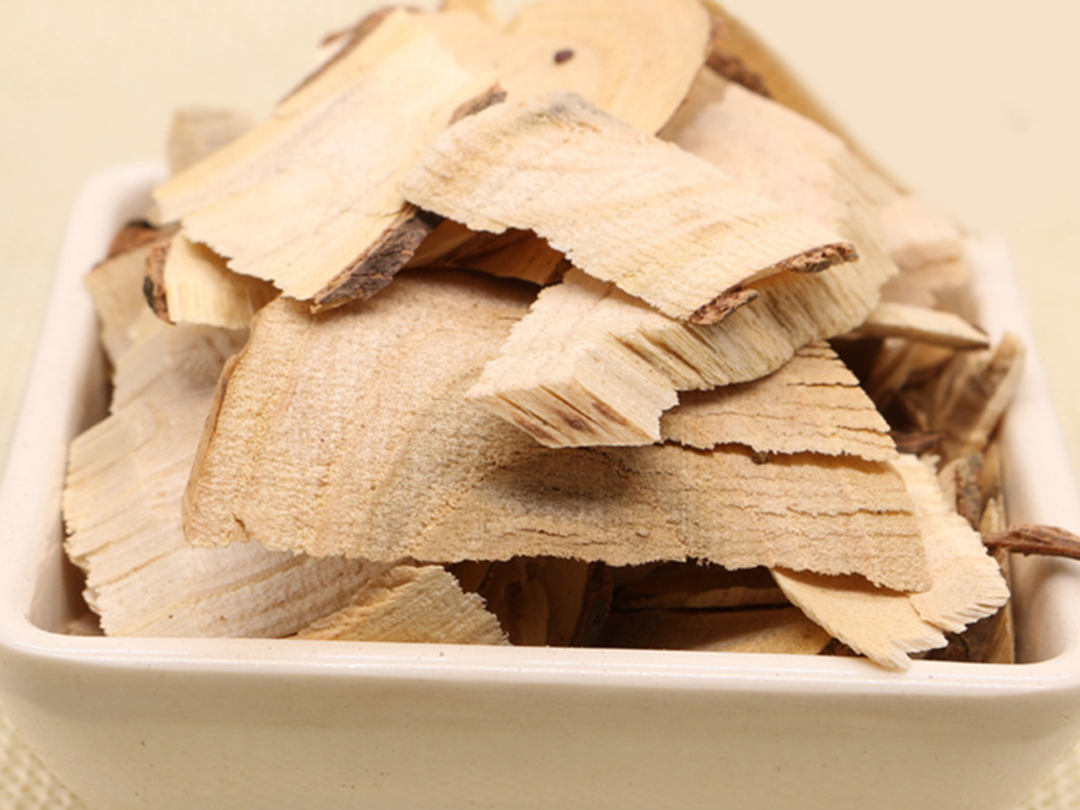
Zouma Tai
Zouma Tai is the name of a traditional Chinese medicine. It consists of the roots and rhizomes of Ardisia gigantifolia Stapf [A. pseudoverticillata Merr.], a plant belonging to the genus Ardisia in the family Ardisieaceae. It is distributed in Fujian, Jiangxi, Guangdong, Guangxi, Guizhou, Yunnan, and other regions. It has the effects of dispelling wind-dampness, promoting blood circulation to relieve pain, and resolving toxins to promote tissue regeneration.It is primarily used to treat rheumatic arthralgia, postpartum blood stasis, abscesses and ulcers, and swelling and pain caused by trauma.
Chinese Name : 走马胎
Aliases : Dafa-yao, Zoumafeng, Shan-shu, Xuefeng, Jiusi-ma
Nature, Flavor & Meridian Tropism : Bitter and slightly pungent in taste; warm in nature
Benefits & Efficacy
Benefits
Dispels wind-dampness, promotes blood circulation to relieve pain, and resolves toxins to promote tissue regeneration.
Indications
Mainly used to treat rheumatic arthralgia, postpartum blood stasis, abscesses and ulcers, and swelling and pain from trauma.
Usage and Dosage
1. Internal use: Decoct 9–15 g (or 30–60 g of fresh herb) in water; or steep in wine. 2. External use: Grind into a powder and apply as a poultice.
Precautions
Patients requiring treatment with Chinese herbal medicine should first consult a licensed Traditional Chinese Medicine (TCM) hospital, where a TCM practitioner will conduct a professional pattern differentiation and prescribe an herbal formula.
Relevant Discussions
1. *Essentials of the Properties of Raw Herbs*: “Dispels wind-dampness, alleviates alcohol-induced ailments, and treats ‘running horse wind’ (a type of paralysis).”
2. *Supplements to the Compendium of Materia Medica*: “Grind into powder and apply to boils and abscesses; it promotes tissue regeneration, neutralizes toxins, and heals wounds miraculously.”
3. *In Search of the Origins of Materia Medica*: “Strengthens tendons and bones, and relieves fatigue.”
4. *Record of Medicinal Plant Collection in Lingnan*: “Treats contusions and bruises; relieves pain; treats pain in the limbs.”
5. *Lu Chuan Materia Medica*: “Dispels wind-dampness; treats rheumatic bone pain, wind-induced paralysis, and ‘crane’s knee’ (osteoarthritis).”
6. *Guangxi Compendium of Traditional Chinese Medicine*: “Activates and promotes blood circulation; treats postpartum blood stasis.”
Applications
Clinical Applications
1. For contusions and bruises, as well as rheumatic bone pain: 60g of Zouma Tai root, 90g each of Da Luoshan and Xiao Luoshan, 120g each of Wuzhi Nainiu and Tu Niuxi. Soak in 1,500ml of good-quality wine; ready for use in 3 days. Take 60g twice daily, morning and evening, and apply the medicinal wine externally to the affected area. (*Guangxi Chinese Herbal Medicine*)
2. For joint pain: 15g each of Zouma Tai root, Tu Niuxi root, and Wu Jia Pi. Decoct with equal parts wine and water and take orally. (*Fujian Materia Medica*)
3. For rheumatoid arthritis: 15g each of Zouma Tai, Jinlu Banfenghe, and Wu Jia Pi. Decoct with equal parts wine and water and take orally. (*Compendium of Chinese Herbal Medicines*)
Notes
References: 1. *Encyclopedia of Chinese Medicinal Herbs* 2. *Chinese Materia Medica* 3. *Illustrated Handbook of Common Chinese Medicinal Herbs, Vol. 2* 4. *Illustrated Guide to Medicinal Plants of Southern China* 5. *Hunan Provincial Standards for the Processing of Chinese Medicinal Herbs (2021 Edition)*
Processing & Preparation
Harvesting & Processing
Harvest from August to November; use fresh or slice and sun-dry.
Processing Methods
Take the herbal material, remove impurities, wash thoroughly, moisten thoroughly, cut into thick slices, and dry.
Storage Methods
Store in a well-ventilated, dry place.
Crude Drug Identification
Properties of Crude Drugs
The root is irregularly cylindrical, with slightly bead-like swellings, and varies in length.
Properties of Processed Slices
This product consists of thick, round or oval slices. The outer cortex is grayish-brown or dark purple, with longitudinal grooves (commonly known as “toadskin wrinkles”); the cortex peels off easily. The cross-section reveals a pale purplish-red cortex with small purple pits, and a yellowish-white xylem. The texture is hard; when finely ground powder is rubbed between the fingers, it feels slippery. It has a faint odor and a bland taste.
Botanical Information
Botanical Classification
Zouma Tai, a plant of the genus Ziziphus in the family Ziziphusaceae.
Morphological Characteristics
A large shrub, 1–3 m tall. It has thick, creeping rhizomes; the stems are robust, usually unbranched, with the young parts covered in fine soft hairs. Leaves are typically clustered at the stem apex; petioles are 2–4 cm long, with narrow, wavy wings;leaf blades are membranous, elliptic to obovate-lanceolate, 25–48 cm long and 9–17 cm wide, with a blunt to acute or nearly acuminate apex, a cuneate base extending down the petiole, and margins bearing dense, eroded-like fine teeth with small tips; the underside of the veins is covered with fine pubescence and bears sparse glandular dots, which are more numerous near the margin but do not form marginal veins.The inflorescence is a panicle composed of multiple subumbels, 20–35 cm long and approximately 10 cm or wider; each subumbel bears 9–15 flowers; the pedicels are 1–1.5 cm long; the sepals are narrowly triangular-ovate or lanceolate, 1.5–2 mm long, sparsely covered with fine soft hairs, and bearing glandular dots;Petals are white or pink, ovate, 4–5 mm long, with sparse glandular dots; stamens are 2/3 the length of the petals, with ovate anthers; pistils are nearly as long as the petals, and the ovary is covered with fine soft hairs. The fruit is spherical, about 6 mm in diameter, red, with longitudinal ribs, and more or less covered with glandular dots.Flowering period: April–June, sometimes February–March; fruiting period: November–December, sometimes February–June.
Distribution Area
Distributed in Fujian, Jiangxi, Guangdong, Guangxi, Guizhou, Yunnan, and other areas.