Tougucao is a medicinal plant with numerous varieties, the most common of which are Impatiens Tougucao and Pearl Tougucao. Among these, Impatiens Tougucao consists of the dried stems of Impatiens balsamina (a plant in the Balsaminaceae family). It has the effects of dispelling wind and dampness, promoting blood circulation, and relieving pain. It is commonly used to treat rheumatic arthralgia, injuries from falls or blows, and gynecological conditions such as amenorrhea and dysmenorrhea caused by blood stasis;Pearl-leaved Tougu Cao is the dried whole herb of Diguoye (a plant in the Euphorbiaceae family). It has the effects of dispelling wind and dampness, promoting blood circulation, reducing swelling, detoxifying, and relieving pain. It is commonly used to treat rheumatic arthralgia, muscle and bone contractures, cold-damp beriberi, trauma, and conditions such as sores, abscesses, and toxic swellings.

Tougucao
Tougucao is a medicinal plant with numerous varieties, the most common of which are Impatiens Tougucao and Pearl Tougucao. Among these, Impatiens Tougucao consists of the dried stems of Impatiens balsamina (a plant in the Balsaminaceae family). It has the effects of dispelling wind and dampness, promoting blood circulation, and relieving pain. It is commonly used to treat rheumatic arthralgia, injuries from falls or blows, and gynecological conditions such as amenorrhea and dysmenorrhea caused by blood stasis;Pearl-leaved Tougu Cao is the dried whole herb of Diguoye (a plant in the Euphorbiaceae family). It has the effects of dispelling wind and dampness, promoting blood circulation, reducing swelling, detoxifying, and relieving pain. It is commonly used to treat rheumatic arthralgia, muscle and bone contractures, cold-damp beriberi, trauma, and conditions such as sores, abscesses, and toxic swellings.
Chinese Name : 透骨草
Aliases : Pearl Bone-Penetrating Herb, Impatiens Bone-Penetrating Herb
Authentic Producing Area : Phoenix Flower Bone-Penetrating Herb is produced in most regions of China; Pearl Bone-Penetrating Herb is primarily produced in Hebei, Shandong, Henan, Shanxi, Shaanxi, Gansu, and other areas
Nature, Flavor & Meridian Tropism : Balsam Bone-penetrating Herb has a pungent and bitter taste, a neutral nature, and enters the Liver and Kidney meridians; Pearl Bone-penetrating Herb has a pungent and bitter taste, a warm nature, and enters the Liver and Kidney meridians
Benefits & Efficacy
Benefits
Different types of Tougucao vary in their therapeutic effects. Impatiens Tougucao is effective for dispelling wind and dampness, as well as promoting blood circulation and relieving pain; Pearl Tougucao is effective for dispelling wind and dampness, promoting blood circulation, reducing swelling, detoxifying, and relieving pain.
Indications
Different types of Tougucao also differ in the conditions they primarily treat. Fengxian Tougucao is mainly used to treat rheumatic arthralgia, trauma-induced pain, and gynecological conditions such as amenorrhea and dysmenorrhea caused by blood stasis; Zhenzhu Tougucao is often used to treat rheumatic arthralgia, muscle and bone contractures, cold-damp beriberi, trauma, and abscesses and swellings caused by toxins.
Usage and Dosage
Clinically, Tougucao can be administered both internally and externally. 1. Internal Use: Tougucao is typically decocted into a herbal decoction for oral administration. The standard dosage for Impatiens Tougucao is 6–9 g; for Pearl Tougucao, it is 9–15 g.Since each patient’s condition and constitution vary, the specific dosage of Tougucao may differ from person to person; patients should strictly adhere to the dosage prescribed by their physician. 2. External Use: Use an appropriate amount; decoct Tougucao in water and use the steam to fumigate or wash the affected area.
Precautions
1. Before using Tougucao, a TCM physician must conduct a pattern differentiation to avoid blind use without proper diagnosis. During treatment, follow the principle of “discontinuing treatment once the condition is resolved.” If symptoms improve, promptly schedule a follow-up visit so that the physician can assess the situation and adjust the dosage or discontinue the medication to ensure treatment safety and efficacy. 2. If you need to use other medications concurrently while taking Tougucao, consult your doctor or pharmacist first. Do not take other medications on your own, as this may cause drug interactions that could affect efficacy or increase the risk of adverse reactions.
Chemical Constituents
Different types of Tougucao have distinct chemical compositions. 1. Impatiens Tougucao: Primarily contains flavonoids, including kaempferol, kaempferol-3-glucoside, quercetin-3-glucoside,cyanidin-3-glucoside, delphinidin-3-glucoside, and apigenin-4'-O-β-D-furanosyl(1→4)-O-β-D-furanoglucoside, among others; it also contains naphthoquinones and other compounds. 2. Pearl Bone-Penetrating Herb: Contains components such as linalool, luteolin, quercetin, ferulic acid, vanillic acid, p-coumaric acid, palmitic acid, β-sitosterol, triacontanol, thymidine, uridine, and monoterpenes.
Pharmacological Actions
Modern pharmacological studies indicate that Penetrating Bone Herb possesses anti-inflammatory, analgesic, antibacterial, antioxidant, and insecticidal effects.
Relevant Discussions
1. Impatiens bonariensis
(1) *Ben Cao Zheng*: “Penetrates the bones and unblocks the orifices.”
(2) *Chinese Materia Medica*: “Dispels wind-dampness, promotes blood circulation, and relieves pain.”
(3) *Chronicle of Hubei Chinese Herbal Medicines*: “Used for rheumatic arthralgia, trauma, amenorrhea and dysmenorrhea, abscesses and boils, and snake and insect bites.””
2. Pearl Bone-Penetrating Herb
(1) *Compendium of Materia Medica*: “Treats all types of rheumatic conditions affecting the tendons and bones, pain and contractures, and cold-damp beriberi.”
(2) *Manual of Shandong Chinese Herbal Medicine*: “Dispels wind-dampness, promotes blood circulation, and relieves pain.”
Applications
Related Compatibility
1. Related Formulations with Impatiens Penetrating-Bone Herb
(1) Impatiens Penetrating-Bone Herb combined with Angelica sinensis: Impatiens Penetrating-Bone Herb has a pungent, dispersing nature that promotes blood circulation; Angelica sinensis nourishes and invigorates the blood. When used together, these two herbs can invigorate blood circulation, unblock the meridians, reduce swelling, and relieve pain. They are used for trauma and injuries and can be administered both internally and externally.
(2) Combining Impatiens bonariensis with Mulberry Twig: Both can dispel wind and invigorate the meridians; Impatiens bonariensis also promotes blood circulation and relieves pain, while Mulberry Twig travels laterally through the limbs and arms to facilitate joint mobility. When used together, they enhance the effects of dispelling wind, invigorating the meridians, and relieving pain, making them suitable for pain in the limbs and bones caused by rheumatism complicated by blood stasis.
2. Related Formulations with Pearl Bone-Penetrating Herb
(1) Pearl Bone-Penetrating Herb combined with Tendon-Stretching Herb: Both can dispel wind and remove dampness; Tendon-Stretching Herb also has the function of relaxing tendons and activating meridians. When combined, they enhance the efficacy of dispelling wind, removing dampness, and activating meridians. This combination is commonly used to treat stiffness, limited range of motion, numbness, and aching in the limbs and joints caused by wind-damp obstruction of the meridians.
(2) Pearl Bone-Penetrating Herb combined with White Fresh Bark: Pearl Bone-Penetrating Herb promotes blood circulation, reduces swelling, detoxifies, and relieves pain; White Fresh Bark clears heat, dries dampness, dispels wind, and detoxifies. When used together, they enhance the detoxifying effect and are suitable for treating sores, abscesses, and toxic swellings.
Medicinal Identification
1. Impatiens and Pearl Bone-Penetrating Herb: Both Impatiens and Pearl Bone-Penetrating Herb have the effects of dispelling wind and dampness, as well as promoting blood circulation and relieving pain. They are commonly used to treat rheumatic arthralgia and trauma-induced injuries; however, Impatiens can also resolve blood stasis and is used for conditions such as amenorrhea and dysmenorrhea caused by blood stasis in gynecological disorders;Pearl Bone-Penetrating Herb also possesses detoxifying properties and can be used to treat sores, ulcers, and swellings caused by toxins.
2. Impatiens Penetrating Bone Herb and Acute Seed: Impatiens Penetrating Bone Herb dispels wind and dampness, promotes blood circulation, and relieves pain; it is primarily used to treat rheumatic arthralgia and swelling and pain from trauma. Acute Seed excels at breaking up blood stasis, softening hard masses, and eliminating accumulations; it is primarily used to treat masses and lumps, amenorrhea, and dysphagia.
Related Medicines
Medicines containing Impatiens boneriana include Tinea and Dampness Lotion, Joint and Bone Soothing Ointment, and Yanghe Blood-Stasis-Resolving Ointment; medicines containing Pearl Bone-Penetrating Herb include Tendon-Stretching and Meridian-Activating Pills.
Notes
Patients requiring treatment with Chinese herbal medicine should first consult a licensed Traditional Chinese Medicine (TCM) hospital to receive a prescription following a professional TCM differential diagnosis.
Processing & Preparation
Harvesting & Processing
1. Phoenix-flower Bone-penetrating Herb: Harvested in summer and fall; impurities are removed, followed by drying. 2. Pearl Bone-penetrating Herb: Harvested in summer and fall when the fruits are nearly ripe; impurities and soil are removed, then sun-dried.
Processing Methods
Take the raw herbal material, first remove any impurities, wash it thoroughly with clean water, and then lightly moisten it to soften the texture, making it suitable for cutting. Next, cut the moistened herbal material into segments, dry it, and finally sift out any dust or debris.
Storage Methods
Store in a cool, well-ventilated, and dry place.
Crude Drug Identification
Properties of Crude Drugs
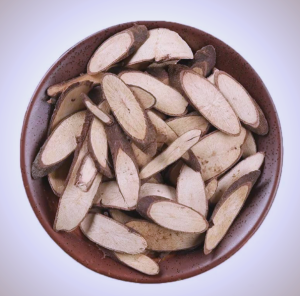
1. Impatiens bonariensis: The stems of this product are flattened cylindrical, highly branched, or in irregular flattened cylindrical segments. The surface is yellowish-brown to reddish-brown, shriveled and wrinkled, with distinct longitudinal grooves; the nodes are swollen, and the leaf scars are dark brown. The stems are light in weight and brittle, breaking easily.The cross-section is hollow or contains a white, membranous pith. It has a faint odor and a bland, slightly sour taste.
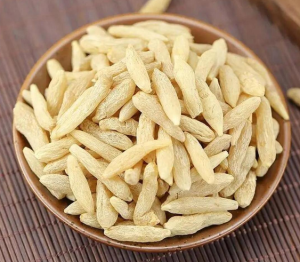
2. Pearl Bone-Penetrating Herb: The stems of this product are highly branched, cylindrical or slightly angular, typically 10–30 cm long and 1–4 mm in diameter, sometimes with part of the rhizome attached at the base; the surface is light green or gray-green, covered with grayish-white soft hairs.Leaves are alternate, with leaf scars; they are brittle and break easily, with a yellowish-white fracture surface. The leaves are often curled, shriveled, or fragmented, gray-green in color, and covered with fine white soft hairs on both surfaces, more prominent on the underside near the veins. Racemes or fruit clusters are sometimes visible; the flowers are small, and the capsules are triangular and flattened-round. It has a faint odor and a bland, slightly bitter taste.
Properties of Processed Slices
1. Impatiens bonariensis: This product consists of irregular, flattened cylindrical segments. The surface is yellowish-brown to reddish-brown, shriveled and wrinkled, with distinct longitudinal grooves; the nodes are swollen, and the leaf scars are dark brown. It is light in weight and brittle; the cross-section is hollow or contains a white, membranous pith. It has a faint odor and a bland, slightly sour taste.
2. Pearl Impatiens:This product consists of segments containing a mixture of stems, leaves, flowers, and fruits. The stems are cylindrical with slight ridges; their surface is light green or gray-green, covered with white soft hairs; they are brittle, with a yellowish-white cross-section. The leaves are mostly curled, shriveled, and fragmented; they are gray-green in color and covered with fine white soft hairs on both surfaces. The inflorescences are racemes or fruit clusters, and the capsules are triangular and flattened-round. It has a faint odor and a bland, slightly bitter taste.
Botanical Information
Botanical Classification
1. Impatiens Penetrating-Bone Herb: Impatiens capensis, a plant of the genus Impatiens in the family Balsaminaceae. 2. Pearl Penetrating-Bone Herb: Euphorbia diaconis, a plant of the genus Euphorbia in the family Euphorbiaceae.
Morphological Characteristics
1. Impatiens: An annual herb, 40–100 cm tall. The stem is fleshy, erect, and robust. Leaves are alternate; petioles are approximately 1–3 cm long, with several glands on both sides; leaf blades are lanceolate, 4–12 cm long and 1–3 cm wide, with a long, acuminate apex, a gradually narrowing base, sharply serrated margins, and 5–9 pairs of lateral veins.The pedicels are short, solitary or clustered in groups of several in the leaf axils, and densely covered with short soft hairs; the flowers are large, usually pink or variegated, and either single-petaled or double; the sepals are two in number, broadly ovate, and sparsely covered with short soft hairs;the standard petal is round, with a concave apex and a small tip; the midrib on the abaxial surface bears a keel-like projection; the wing petals are broad, short-stalked, and bifid, with the basal lobe nearly circular and the upper lobe broadly ax-shaped, the apex of the upper lobe shallowly bifid; the labellum is boat-shaped, sparsely covered with short soft hairs, and abruptly extended at the base into a slender, inward-curving spur;Anthers ovoid, with a blunt apex. Capsule spindle-shaped, dehiscent upon slight touch when ripe, densely covered with villous hairs. Seeds numerous, spherical, black. Flowering period: July–October.
2. Pearl-veined Bonewort: A perennial herb, 15–50 cm tall. Stems erect, tufted, covered with grayish-white, curly soft hairs.Leaves are alternate, sessile or with short petioles; leaf blades are lanceolate to elliptic-lanceolate, thick papery, 1.5–7 cm long, 0.5–2 cm wide, with a bluntly pointed or acuminate apex, a broadly cuneate or nearly rounded base, sparsely coarsely toothed margins, and covered with white soft hairs on both surfaces, with glands on the underside.The inflorescence is a terminal raceme, densely covered with short soft hairs; the flowers are small, unisexual, and monoecious. Male flowers are white, densely clustered, and borne in groups of several on the inflorescence; they have 5 sepals and 5 petals, which are scale-like, with yellow, cup-shaped glands arranged alternately with the petals;10–15 stamens. Female flowers have relatively long pedicels, 5–6 sepals, 6 petals, a superior ovary, and 3 styles, all of which are 2-lobed. The capsule is trigonal and bears papillate projections. Flowering occurs from April to May, and fruiting from May to June.
Distribution Area
Impatiens transulcata is distributed throughout most of China; Impatiens perlata is found in North China, Northeast China, East China, as well as in Henan, Shaanxi, Gansu, and other regions.