Prickly Ash is a common medicinal herb used to warm the interior of the body. It consists of the dried, mature pericarp of Zanthoxylum schinifolium Sieb. et Zucc. or Zanthoxylum bungeanum Maxim., plants belonging to the genus Zanthoxylum in the Rutaceae family. It has the effects of warming the middle burner to relieve pain, as well as killing parasites and relieving itching. It is used to treat cold pain in the epigastrium and abdomen, vomiting and diarrhea, and abdominal pain caused by parasitic infestation; externally, it is used to treat eczema and genital itching.

Sichuan Pepper
Prickly Ash is a common medicinal herb used to warm the interior of the body. It consists of the dried, mature pericarp of Zanthoxylum schinifolium Sieb. et Zucc. or Zanthoxylum bungeanum Maxim., plants belonging to the genus Zanthoxylum in the Rutaceae family. It has the effects of warming the middle burner to relieve pain, as well as killing parasites and relieving itching. It is used to treat cold pain in the epigastrium and abdomen, vomiting and diarrhea, and abdominal pain caused by parasitic infestation; externally, it is used to treat eczema and genital itching.
Chinese Name : 花椒
Latin Name : Zanthoxyli Pericarpium
Aliases : Lü, Da Jiao, Qin Jiao, Nan Jiao, Ba Jiao, Lüfei, Lu Bo, Han Jiao, Dian Jiao
Authentic Producing Area : Mainly produced in Liaoning, Hebei, and Sichuan
Nature, Flavor & Meridian Tropism : Pungent in taste, warm in nature; enters the Spleen, Stomach, and Kidney meridians
Benefits & Efficacy
Benefits
Warms the middle burner to relieve pain; kills parasites and relieves itching.
Indications
Mainly used to treat cold pain in the epigastrium and abdomen, vomiting and diarrhea, and abdominal pain caused by parasitic infestation; externally used to treat eczema and genital itching.
Usage and Dosage
Decoct and take 3–6 g. For external use, apply an appropriate amount; prepare a decoction for fumigation or washing.
Precautions
1. Contraindications for Combination with Other Chinese Herbs: Apricot kernel serves as a catalyst; incompatible with Tussilago, Orpiment, Aconite, Saposhnikovia, and Hemp Seed; adverse reaction with Trichosanthes. 2. Dietary Contraindications: Compatible with salt; incompatible with cold water; avoid consuming cold, raw, or chilled foods.
Chemical Constituents
This product primarily contains essential oils such as limonene, 1,8-cineole, myrcene, α-pinene, β-pinene, cis-limonene, and linalool.
Pharmacological Actions
This herb possesses pharmacological effects including regulation of gastrointestinal motility, anti-ulcer, analgesic, antibacterial, antitumor, and lipid-lowering properties.
Relevant Discussions
1. *Shennong’s Classic of Materia Medica*: “Treats coughs and wheezing caused by pathogenic factors; warms the middle burner; expels dead muscle tissue from the joints and skin; alleviates pain from cold-damp arthralgia; and descends qi.”
2. *Compendium of Materia Medica*: “Sichuan pepper is a substance of pure yang; its flavor is pungent and numbing, and its nature is warm and hot. When entering the Lung meridian, it dispels cold and treats coughs; when entering the Spleen meridian, it removes dampness and treats wind-cold-damp arthralgia, edema, and dysentery; when entering the Right Kidney meridian, it tonifies fire and treats symptoms of yang deficiency such as frequent urination, weak legs, and chronic dysentery.”
3. *Benjing Fengyuan*: “Qin pepper has a pungent taste and a fierce aroma. It warms the middle burner to dispel arthralgia, eliminates wind-pathogenic factors, treats vomiting, hernias, and abdominal masses, and reduces swelling and dampness—all by utilizing its pungent and fierce nature to disperse pathogenic factors, which is the principle of treating the root cause. For toxic sores and abdominal pain, taking a handful with cold water is effective; it is evident that it can unblock the Three Jiao, draw in righteous qi, and expel pathogenic qi.”
Applications
Clinical Applications
1. To treat conditions caused by external cold invading the body, such as stomach cold, abdominal pain, and vomiting, it is often used in combination with ginger and white cardamom.
2. To treat spleen and stomach deficiency-cold, manifested as cold pain in the epigastrium and abdomen, vomiting, and loss of appetite, it is combined with dried ginger and ginseng, as in the Da Jianzhong Decoction (*Jin Gui Yao Lue*).
3. To treat summer damp-cold injury and persistent diarrhea, it is used with nutmeg, as in the Sichuan Pepper Pills (from *Comprehensive Treatise on Pediatric Hygiene and Prescriptions*).
4. To treat abdominal pain caused by parasitic infestation, cold extremities, restlessness, and vomiting of roundworms, it is often used in combination with black plum, dried ginger, and Phellodendron bark, as in the Black Plum Pills (from *Treatise on Cold Damage*).
5. To treat unbearable vaginal itching in women that cannot be relieved except by soaking in hot water, it is used in combination with Evodia fruit, Cnidium fruit, Lepidium, aged tea, and roasted salt; decocted and used for fumigation and washing, as in the Pepper and Evodia Decoction (*Yi Ji*).
6. To treat itchy eczema, use it alone or in combination with Kushen, Shechuangzi, Difuzi, and Huangbai, decocted into a solution for external washing.
Related Compatibility
1. Sichuan pepper combined with nutmeg: Sichuan pepper is pungent, dispersing, warm, and drying; it can warm the middle burner to dispel cold and warm the spleen to dry dampness. Nutmeg is pungent, warm, and astringent; it enters the middle burner, warming the spleen and stomach, fortifying the large intestine, and stopping diarrhea and dysentery. When combined, these two herbs enhance the effect of warming the middle burner and stopping diarrhea. This combination can be used to treat summer-induced damp-cold conditions and persistent diarrhea.
2. Sichuan Pepper Combined with Black Plum: Sichuan pepper is pungent and warm; its pungency subdues roundworms, and its warmth dispels cold. Black plum is sour, astringent, and neutral in nature; its sourness calms roundworms, quieting them and relieving pain.When combined, these two herbs—one dispersing and one astringent, one opening and one contracting—mutually compensate for their shortcomings and enhance their strengths. The combined action of pungent and sour flavors ensures that “roundworms are calmed by sour, subdued by pungent, and expelled by bitter.” This formula is used to treat roundworm infections.
3. Sichuan pepper paired with maltose: Sichuan pepper is pungent, warm, and intensely drying, excelling at warming the middle burner, dispelling cold, and relieving pain; maltose is sweet, warm, and moisturizing, excelling at tonifying the middle burner, alleviating urgency, and relieving pain. When used together, they complement each other in moistening dryness. Maltose, when combined with Sichuan pepper, tonifies qi without causing greasiness or stagnation; Sichuan pepper, when combined with maltose, warms the middle burner without being excessively drying. Together, they achieve the effects of warming the middle burner, tonifying deficiency, dispelling cold, and relieving pain.Used for cold pain in the epigastrium and abdomen, vomiting, and cold extremities caused by spleen-stomach deficiency-cold.
4. Sichuan pepper combined with Atractylodes: Sichuan pepper is pungent, hot, and drying, excelling at warming the middle burner and relieving pain; Atractylodes is aromatic, drying, and potent, excelling at drying dampness and strengthening the spleen. When combined, these two herbs enhance the effects of drying dampness, strengthening the spleen, warming the middle burner, and stopping diarrhea. Suitable for diarrhea caused by spleen-stomach deficiency-cold with internal obstruction by dampness.
Medicinal Identification
1. Sichuan Pepper and Black Pepper: Both herbs have a pungent and hot nature, capable of warming the middle burner, dispelling cold, and relieving pain. They are used to treat cold pain in the epigastrium and abdomen, vomiting, and diarrhea caused by stomach cold. However, Sichuan pepper also has antiparasitic and anti-itching properties; it can be used as a topical wash to treat eczema and genital itching. It also expels roundworms, making it effective for treating abdominal pain caused by parasitic infestation, cold extremities, restlessness, and vomiting of roundworms.Black pepper has pungent, dispersing, warming, and unblocking properties; it treats deficiency-cold in the lower jiao, eliminates phlegm, and relieves chest congestion. It can be used for epilepsy with excessive phlegm caused by stagnation of phlegm and qi that obscures the clear orifices.
2. Sichuan pepper and Cnidium monnieri: Both herbs are pungent, dispersing, warming, and drying; they can kill parasites and relieve itching, and are used to treat genital itching and eczema.However, Sichuan pepper enters the Spleen and Stomach meridians and excels at warming the middle burner, dispelling cold, and stopping vomiting and diarrhea; it can also expel roundworms and kill parasites, making it suitable for treating abdominal pain caused by parasitic infestation, cold extremities, restlessness, and vomiting of roundworms. Cnidium seeds are warm in nature and can assist yang and dispel cold; their pungent and bitter properties also dry dampness and dispel wind, making them effective for treating leukorrhea and low back pain, particularly when caused by a combination of cold-dampness and kidney deficiency.
Related Medicines
Vascular-Unblocking and Lipid-Lowering Tablets, Cloud-Dispelling and Cataract-Removing Pills, Tinea and Dampness Medicated Lotion (Goose-Paw Tinea Lotion), Purple Flower Burn Ointment, Kangfu Ointment.
Related Prescriptions
Da Jianzhong Decoction (*Jin Gui Yao Lue*), Wu Mei Pills (*Shang Han Lun*), Li Zhong An Hui Decoction (*Lei Zheng Zhi Cai*), Lian Mei An Hui Decoction (*Tong Su Shang Han Lun*), Leng Xiao Pills (*Zhang Shi Yi Tong*).
Medicinal Diet Therapy
A medicinal dish related to Sichuan pepper is Dried Ginger and Sichuan Pepper Congee.
1. Effects: Warms the stomach and dispels cold; warms the middle burner and relieves pain.
2. Ingredients: 5 slices of dried ginger, 4 g of Galanga, 3 g of Sichuan pepper, 100 g of japonica rice, and 15 g of brown sugar.
3. Preparation: Wash the dried ginger, Galanga, and Sichuan pepper. Slice the ginger. Place them in a clean muslin bag along with the rinsed japonica rice, then add water and bring to a boil. After 30 minutes, remove the herb bag and continue cooking until it becomes porridge.
4. Usage: Take once in the morning and once in the evening daily.
Notes
Patients requiring treatment with Chinese herbal medicine should first consult a licensed Traditional Chinese Medicine (TCM) hospital, where a TCM practitioner will conduct a professional pattern differentiation and prescribe an herbal formula.
Processing & Preparation
Harvesting & Processing
After 2–3 years of cultivation, the fruits ripen in September–October. On a sunny day, cut the fruit clusters, spread them out to air-dry, and once the fruits have split open and the pericarp has separated from the seeds, dry them thoroughly.
Processing Methods
1. Sichuan Pepper: Take the raw material and remove the pepper seeds, fruit stalks, and impurities.
2. Roasted Sichuan Pepper: Place the cleaned Sichuan pepper in a pan and roast over low heat until it begins to sweat and release a fragrant aroma; then remove and allow to cool.
3. Vinegar-Roasted Sichuan Pepper: Take the cleaned Sichuan pepper, place it in a pan, and roast over low heat while gradually spraying with rice vinegar. Continue roasting until all the vinegar has evaporated, then remove, let it sit to release moisture, and sun-dry. Use 12 kg of rice vinegar per 100 kg of Sichuan pepper.
4. Salt-Roasted Sichuan Peppercorns: Take clean Sichuan peppercorns, place them in a wok, and roast over low heat until they crackle. Sprinkle with salt water, stir-fry until dry, then remove and let cool. Use 2 kg of table salt per 100 kg of Sichuan peppercorns.
Storage Methods
Store in a dry container. Keep the stir-fried Sichuan peppercorns, vinegar-stir-fried Sichuan peppercorns, and salt-stir-fried Sichuan peppercorns tightly sealed and place in a cool, dry location.
Crude Drug Identification
Properties of Crude Drugs
1. Sichuan Pepper: Consists of 1–2, or occasionally 3–4, spherical mericarps, each with a diameter of 4.5–5 mm. The mericarp splits along the ventral or ventral-dorsal suture from the apex, often forming two lobes connected at the base. The apex of the mericarp has a minute beak, and the base usually bears 1–2 granular, underdeveloped, free carpels, each 1–2 mm in diameter.The outer surface is deep red, purplish red, or brownish red, wrinkled, and covered with numerous punctate, raised oil glands. The inner pericarp is smooth, pale yellow, thin, and leathery; it is partially separated from the middle pericarp and curled. The fruit stalk is approximately 0.8 mm in diameter and covered with sparse, short hairs. The fruit peel is leathery, slightly tough, has a distinctive aroma, and imparts a long-lasting numbing and spicy flavor.
2. Green Chili Peppers: Consist of 1–3 spherical mericarps.Each segment measures 3–4 mm in diameter and has a short, beak-like tip at the apex. The outer surface is grass green, yellow-green, or brownish-green, with a reticulate pattern and numerous sunken oil glands. The inner pericarp is grayish-white. The fruit stalk is glabrous. The pericarp is thin and脆, with a fresh, fragrant aroma and a pungent, slightly sweet taste. Those with large seeds, a purplish-red color, and a strong aroma are considered superior.
Properties of Processed Slices
1. Sichuan pepper: See “Characteristics of Medicinal Materials.”
2. Roasted Sichuan pepper: Resembles Sichuan pepper in shape; the outer surface is dark yellow or brownish-black, the inner surface is deep yellow, and it has a strong aroma.
3. Vinegar-roasted Sichuan pepper: The color is darker, with a slight vinegar scent.
4. Salt-roasted Sichuan pepper: The color is darker, with a slightly salty taste.
Botanical Information
Botanical Classification
Plants of the genus Zanthoxylum in the Rutaceae family, including Sichuan pepper and green pepper.
Morphological Characteristics
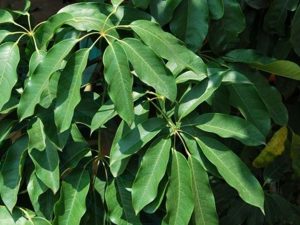
1. Sichuan Pepper: A deciduous shrub or small tree, 3–7 m tall. Fragrant. Stems typically bear enlarged thorns; current-year branches are covered with short soft hairs. Odd-pinnate compound leaves are alternate; the adaxial surface of the rachis has narrow leaf wings on both sides, while the abaxial surface is sparsely covered with small, upward-curving thorns; the petiole often has a pair of flat thorns on each side with particularly wide bases;leaflets are sessile; there are 5–11 leaflets, ovate or ovate-oblong, 1.5–7 cm long and 1–3 cm wide, with an acute or shortly acuminate apex, usually slightly concave, a cuneate base, and margins bearing blunt teeth or wavy-rounded teeth; large, transparent glandular dots are present at the tooth intersections; the upper surface is glabrous,the lower surface of the midrib often bears small, obliquely ascending spines, and the base is covered on both sides by a tuft of rust-brown, long, soft hairs; the leaves are papery. The inflorescence is a terminal corymbose panicle, 2–6 cm long, with the flower axis densely covered with short hairs and the flower branches spreading; the bracts are minute and early deciduous;Flowers are unisexual; perianth segments number 4–8 in a single whorl, narrowly triangular or lanceolate, 1–2 mm long; male flowers have 4–8 stamens, usually 5–7; female flowers have 4–6 carpels, usually 3–4, without an ovary stalk, with an outwardly curved style and a capitate stigma.Mature carpels are usually 2–3; the capsule is spherical, red or purplish-red, densely covered with coarse, prominent glandular dots. Seeds are ovoid, approximately 3.5 mm in diameter, and glossy. Flowering occurs from April to June; fruiting occurs from September to October.
2. Green Bell Pepper: This species differs from the previous one in that it has 15–21 leaflets, which are opposite or nearly opposite, asymmetrical ovate to elliptic-lanceolate, 1–3.5 cm long, and 0.5–1 cm wide; the midrib is sunken, and the lateral veins are indistinct.Terminal corymbose panicles; the perianth is distinctly divided into sepals and petals, arranged in two whorls; the ovary is sessile; the capsule is grass-green, yellow-green to dark green in color, with fine wrinkles on the surface; the glandular dots are dark-colored and punctate-depressed; the apex has an extremely short, beak-like tip. Flowering period: August–September; fruiting period: October–November.
Distribution Area
1. Sichuan pepper: Distributed in Central and South China, Southwest China, as well as Hebei, Liaoning, Jiangsu, Zhejiang, Anhui, Jiangxi, Shandong, Tibet, Shaanxi, and Gansu. 2. Green chili pepper: Distributed in Hebei, Liaoning, Jiangsu, Zhejiang, Anhui, Jiangxi, Shandong, Henan, Hunan, Guangdong, and Guangxi.
Growth Habits
Prefers a warm and humid climate. Loves sunlight but is not tolerant of severe cold; at -18°C, the branches of young seedlings will suffer frost damage, and mature trees may die at temperatures as low as -25°C. Drought-tolerant and relatively shade-tolerant, but intolerant of waterlogging and not wind-resistant.It is highly adaptable to various soil types and grows well in deep, loose, fertile sandy loam or loam soils; however, it thrives best in alkaline soils formed from limestone, which is why it is often used for afforestation on calcareous mountainous terrain.
Propagation Methods
Propagated by seed using the seedling transplant method.
Cultivation Techniques
Seedling Propagation and Transplanting Method: Select seed from high-quality mother trees. In early September, when the fruit peel turns purplish-red and the seed coat turns bluish-black, harvest the seeds in batches. Dry them indoors in the shade until they split open naturally, then remove the seeds, clean them by winnowing, and store them in a cool, shaded place for future use.In southern regions, sow immediately after harvest in the fall; in northern regions, sow in March–April. Seed treatment: Because the seed coat is hard, oily, and has poor water permeability, it requires degreasing. Typically, soak the seeds in an alkaline water solution (2 kg of water plus 25 g of sodium carbonate) for 2 days, ensuring the seeds are fully submerged. Rub the seeds to remove the oils from the seed coat, then remove them from the solution and set aside.Alternatively, seeds can be pre-germinated before sowing. Place the seeds in a stratification pile of warm sand, turning them once every 15 days to maintain adequate moisture. Fifteen days before sowing, move the pile to a warm location, cover it with straw and plastic sheeting to retain moisture, and sow once the seeds begin to sprout.Alternatively, soak the seeds for 2–3 minutes, then place them in warm water (40–50°C) for 4–5 days. When the seed coat begins to crack, move them to a warm location and cover them with a damp cloth. Sow once the radicle appears. In the seedling bed, sow the seeds in furrows spaced 25–30 cm apart. After seedlings emerge and reach a height of 3–5 cm, thin them to a spacing of 10–15 cm between plants.Apply top dressing 1–2 times during the seedling growth period, combining this with loosening the soil and weeding. Transplant when seedlings reach 1 m in height. Transplanting can be done in winter, early spring, or during the rainy season; plant in holes spaced 2 m × 1.5 m or 3 m × 1 m apart.
Pest and Disease Control
Pests include the wood-striped loopers, aphids, yellow swallowtail butterflies, Sichuan pepper swallowtail butterflies, golden flower beetles, black velvet beetles, and Sichuan pepper longhorn beetles.