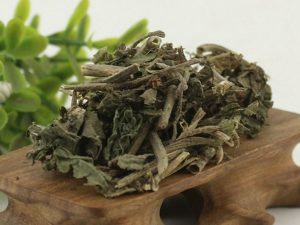
Snow Lotus is the name of a traditional Chinese medicine. It refers to the whole plant with roots of the following species in the genus Saussurea of the Asteraceae family: Saussurea laniceps Hand.-Mazz. (Cottony-headed Snow Lotus), Saussurea gnaphaloides (Royle) Sch.-Bip. (Mouse-ear Snow Lotus), Saussurea medusa Maxim. (Jellyfish Snow Lotus), Saussurea tridactyla Sch.-Bip. ex Hook.F. (Three-fingered Snow Lotus),Saussurea quercifolia W.W.Smith. This herb has a sweet and slightly bitter taste, is warm in nature, and enters the Liver and Kidney meridians. It has the effects of dispelling wind-dampness, strengthening tendons and bones, tonifying kidney yang, regulating menstruation, and stopping bleeding. It is primarily used to treat rheumatic arthralgia, amenorrhea, dysmenorrhea, metrorrhagia, leukorrhea, and impotence.

Snow Lotus
Snow Lotus is the name of a traditional Chinese medicine. It refers to the whole plant with roots of the following species in the genus Saussurea of the Asteraceae family: Saussurea laniceps Hand.-Mazz. (Cottony-headed Snow Lotus), Saussurea gnaphaloides (Royle) Sch.-Bip. (Mouse-ear Snow Lotus), Saussurea medusa Maxim. (Jellyfish Snow Lotus), Saussurea tridactyla Sch.-Bip. ex Hook.F. (Three-fingered Snow Lotus),Saussurea quercifolia W.W.Smith. This herb has a sweet and slightly bitter taste, is warm in nature, and enters the Liver and Kidney meridians. It has the effects of dispelling wind-dampness, strengthening tendons and bones, tonifying kidney yang, regulating menstruation, and stopping bleeding. It is primarily used to treat rheumatic arthralgia, amenorrhea, dysmenorrhea, metrorrhagia, leukorrhea, and impotence.
Chinese Name : 雪莲花
Aliases : Snow Lotus, Snow Lotus Flower, Thumb Flower, Big Wood Flower
Authentic Producing Area : Mainly produced in Sichuan, Yunnan, Tibet, Xinjiang, Gansu, Qinghai, and other regions
Nature, Flavor & Meridian Tropism : Sweet and slightly bitter in taste; warm in nature; enters the Liver and Kidney meridians
Benefits & Efficacy
Benefits
Dispels wind-dampness, strengthens tendons and bones, tonifies kidney yang, regulates menstruation, and stops bleeding.
Indications
1. Primarily used to treat rheumatic arthralgia, amenorrhea, dysmenorrhea, metrorrhagia, leukorrhea, and erectile dysfunction. 2. In Western medicine, it is indicated for conditions diagnosed as rheumatism, rheumatoid arthritis, lumbar muscle strain, and osteophytes of the “wind-cold-damp obstruction” type; for women with irregular menstruation and gynecological inflammation caused by cold stagnation; and for men with sexual dysfunction due to kidney yang deficiency.
Usage and Dosage
1. Internal use: Decoct 6–12 g in water; or steep in wine. 2. External use: Apply an appropriate amount after pounding into a paste.
Precautions
Do not exceed the recommended dosage; pregnant women should not use this herb.
Chemical Constituents
It primarily contains flavonoids, such as rough ragweed flavonoids and quercetin; it also contains terpenes and their derivatives, steroidal components, lignans, and coumarin compounds such as scopolin and umbelliferone.
Pharmacological Actions
1. Effects on the Central Nervous System: Exhibits a marked inhibitory effect. 2. Effects on the Cardiovascular System: Decoctions can enhance cardiac contractility and increase cardiac output, but have no significant effect on heart rate; in contrast, total alkaloids exert a depressant effect on the heart, weakening myocardial contractility and slowing the heart rate. They also have a hypotensive effect. 3. Effects on the Reproductive System: Has an abortifacient effect. 4. Other Effects: Snow lotus also possesses certain anti-inflammatory, analgesic, antihypertensive, and bronchodilatory effects, as well as the ability to counteract intestinal muscle spasm, scavenge free radicals, and combat fatigue.
Relevant Discussions
1. *Notes on Citrus Orchards*: “Relieves cold-related ailments and enhances virility.”
2. *Revised and Expanded Tianbao Materia Medica*: “Treats consumptive disorders with hemoptysis, weakness in the lower back and knees, menorrhagia, and leukorrhea; regulates menstruation and promotes conception.”
3. *Yunnan Herbal Medicine*: “Regulates menstruation and stops bleeding. Treats irregular menstruation, snow blindness, toothache, and bleeding from external injuries.”
Applications
Clinical Applications
1. For erectile dysfunction: Soak snow lotus and Cordyceps sinensis in wine and drink the mixture. (*Manual of High-Altitude Chinese Herbal Medicine*)
2. For rheumatoid arthritis, lower abdominal cold pain in women, amenorrhea, and retained placenta: Soak 5 qian of snow lotus in 100 milliliters of white wine or rice wine for seven days. Take 10 milliliters twice daily. (*Manual of Xinjiang Chinese Herbal Medicine*)
3. For snow blindness and toothache: 2–4 qian of snow lotus flowers. Eat raw or take as a decoction. (*Yunnan Chinese Herbal Medicine*)
4. For bleeding from traumatic injuries: Apply an appropriate amount of snow lotus flowers to the affected area. (*Yunnan Chinese Herbal Medicine*)
Related Compatibility
1. Snow Lotus Flower Combined with Mulberry Parasite: Snow Lotus Flower is bitter, drying, warm, and promoting circulation; it is sweet and tonifying. It can both dispel wind-dampness and tonify the liver and kidneys while strengthening tendons and bones. It is particularly suitable for those with chronic wind-dampness, deficiency of the liver and kidneys, and weakness in the lower back and knees. Mulberry Parasite is bitter and drying, sweet and tonifying; it excels at dispelling wind-dampness and is also adept at tonifying the liver and kidneys and strengthening tendons and bones.When combined, these two herbs complement each other perfectly and are suitable for chronic bi syndrome with liver and kidney deficiency, manifested as soreness and weakness in the lower back and knees, and weakness of the tendons and bones.
2. Snow Lotus Flower Combined with Cordyceps: Snow Lotus Flower is sweet and warm, enters the Kidney meridian, and can tonify the kidneys and strengthen yang; Cordyceps can tonify the kidneys and nourish essence, and is effective in revitalizing yang and treating impotence. When combined, their ability to warm the kidneys and strengthen yang is greatly enhanced, making them suitable for conditions such as impotence, seminal emission, and soreness in the lower back and knees caused by kidney yang deficiency and deficiency of essence and blood.
Notes
Patients requiring treatment with Chinese herbal medicine should first consult a licensed Traditional Chinese Medicine (TCM) hospital, where a TCM practitioner will conduct a professional pattern differentiation and prescribe an herbal formula.
Processing & Preparation
Harvesting & Processing
In June–July, harvest the entire plant just as it begins to bloom, remove any soil, and air-dry it.
Processing Methods
Take the raw herbal material, remove impurities, rinse thoroughly with water, moisten slightly, cut into sections, and dry.
Storage Methods
Store in a dry container in a well-ventilated, dry place.
Crude Drug Identification
Properties of Crude Drugs
1. Cotton-headed Snow Lotus: The entire dried herb shrinks into a cotton-like mass, wider at the top and narrower at the bottom, forming a slightly inverted conical shape, 10–30 cm long; the entire plant is densely covered with intertwined white or pale yellow, long, cottony hairs. The rhizome is stout, with a brownish-red surface; the outer skin peels off easily, leaving brown remnants of leaf petioles.Leaves are extremely dense, oblanceolate or spatulate, withered green or brown, 8–15 cm long and 1.5–2 cm wide; the apex is slightly pointed, the base tapers gradually into a long petiole, and the margins have shallow, wavy teeth; the upper surface is densely covered with spider-web-like cottony hairs or is bare, while the lower surface is densely covered with brown downy hairs.There are numerous capitula, sessile, arranged in an elliptical spike on the upper part of the stem; the bracts are linear-lanceolate, brownish-green, and densely covered with white cottony hairs; the involucre is hemispherical, with outer involucral bracts that are linear-lanceolate and densely covered with white cottony hairs; the inner bracts are lanceolate and bear long, dark brown hairs.Flowers are white and often fall off. Achenes are about 3 mm long; pappus is blackish-brown. Slight odor; bland taste.
2.Mouse-ear Snow Lotus: The aerial part is 1.5–6 cm long. The rhizome is slender and long, often bearing one to several rosettes of leaves. The leaves are short, round, or spatulate, 2–4 cm long and 3–8 mm wide, covered on both surfaces with white or yellowish-brown tomentum; the upper margin has sparse rounded teeth or is entire; the petioles are slightly expanded and purple; the upper leaves are small and envelop the globose inflorescence.Flowers are pale red. The pappus is pale brown, with a sparse, hair-like outer layer and a feathery inner layer.
3. Jellyfish Snow Lotus: The aboveground portion is 8–15 cm long. The taproot is approximately 15 cm long. The rhizome is slender and elongated, with brown remnants of leaf petioles. Basal leaves are obovate or spatulate, with 8–12 coarse teeth along the upper margin and a wedge-shaped base;the upper leaves gradually decrease in size, ovate or ovate-lanceolate, covered with white cottony hairs on both surfaces; the uppermost leaves are linear or linear-lanceolate, with margins linear-lobed or finely toothed. Flowers are purple or pale red. The pappus is white, with a feathery inner layer.
4. Three-Fingered Snow Lotus: The aboveground part grows up to 15 cm long.The root is cylindrical and fleshy. The leaves are pinnately lobed, with the tips of the lobes hooked and curled. Numerous purplish-red capitula are arranged in a hemispherical cluster, partially protruding beyond the white leaves and bracts; the receptacle is covered with spiny hairs. The pappus is pale brown and spiny.
5. Oak-leaved Snow Lotus: The aboveground parts are 4–6 cm long and grow in clusters. The rhizome is thick and often branched.Basal leaves are elliptical or narrowly obovate, 3–4 cm long and 6–15 mm wide, with coarse serrations along the margins; the upper surface is sparsely covered with white hairs, while the lower surface is densely covered with white tomentum; upper leaves are progressively smaller, lanceolate, and either sparsely toothed or entire. Numerous capitula are densely clustered into a spherical shape. Flowers are reddish-purple. Pappus is blackish-brown, with an outer layer that easily falls off and an inner layer that is feathery.
Properties of Processed Slices
This product consists of irregular small segments, comprising a mixture of roots, stems, leaves, and flowers. The roots are irregular small segments with a grayish-brown surface; the stem segments are densely covered with long, cottony hairs; the leaves are fragmentary, covered with long, cottony hairs, and sessile. The involucral bracts of the capitula are arranged in an imbricate pattern; the flowers are purplish-red; the receptacle is covered with spiny hairs; and the achenes have spiny pappus.
Botanical Information
Botanical Classification
Plants of the genus *Leucanthemum* in the Asteraceae family, including *Leucanthemum pilosum*, *Leucanthemum murinum*, *Leucanthemum aquaticum*, *Leucanthemum tritrichum*, and *Leucanthemum quercifolium*.
Morphological Characteristics
1. Cotton-headed Snow Lotus: A perennial herb, 15–30 cm tall. The rhizome is thick, with the neck covered by brown remnants of leaf petioles. The stem is robust and erect, with dense white cottony hairs on the upper part.Leaves are extremely dense; leaf blades are oblanceolate or spatulate, 8–15 cm long and 1.5–2 cm wide, with a slightly pointed apex, a base tapering into a petiole, and wavy-serrated margins. The upper surface is covered with spider-web-like tomentum that gradually falls off, while the lower surface is densely covered with brown villi. There are numerous sessile capitula arranged in an elliptical spike on the upper part of the stem;Bracts are linear-lanceolate and densely covered with white cottony hairs; the involucre is hemispherical; outer involucral bracts are linear-lanceolate, approximately 2.5 cm long, with a long, acuminate apex and densely covered with white cottony hairs; inner involucral bracts are lanceolate, with a linear, long, acuminate apex and covered with long, blackish-brown hairs;Flowers are white, 10–12 mm long, with a cylindrical corolla that is approximately three times as long as the tube. Achenes are about 3 mm long; the pappus is blackish-brown, with an outer layer of short, coarse bristles that are easily shed, and an inner layer of feathery hairs. Flowering period: June–July.
2. Mouse-ear Snow Lotus: A small, perennial, multiple-fruiting herb, 1.5–6 cm tall. The rhizome is slender and often produces one to several rosettes of leaves; the base of the stem bears brown remnants of leaf petioles. The stem is erect.Leaves are densely arranged; leaf blades are oblong or spatulate, 2–4 cm long and 3–8 mm wide, with a blunt or slightly blunt apex, the base tapering gradually into a petiole, the upper margin sparsely rounded-toothed or entire, both surfaces covered with white or yellowish-brown tomentum; petioles are slightly expanded and purple; upper leaves are small, bract-like, enveloping the globose inflorescence, and densely covered with grayish-brown cottony hairs.Numerous capitula, sessile, densely clustered into a globose inflorescence at the stem apex; involucre 7–10 mm in diameter; involucral bracts in 3–4 layers, purplish-red, the outer layer oblong-ovate, apex slightly obtuse, densely tomentose, the inner layer lanceolate, apex acuminate; flowers pale red, 8–10 mm long.Achenes about 3 mm long; pappus pale brown, outer layer sparse and hair-like, inner layer pinnate.
3. Jellyfish Snow Lotus: A perennial herb, 8–15 cm tall. The rhizome is slender and elongated, with brown remnants of leaf petioles; a rosette of leaves arises from the neck. The stem is erect and covered with spider-web-like tomentum.Leaves are densely arranged; basal leaves are obovate or ovate-rhomboid, with a rounded-blunt apex, 8–12 coarse teeth along the upper margin, and a wedge-shaped base tapering into a sheathing petiole up to 2.5 cm long with a purplish base; upper leaves are progressively smaller, ovate or ovate-lanceolate, with an acute or acuminate apex, and covered with white tomentum on both surfaces;the uppermost leaves are linear or linear-lanceolate, with linear lobes or fine teeth along the margins. There are numerous capitula, densely clustered into a globose mass at the stem apex, sessile; the involucre is narrowly tubular, 10–15 mm long;outer layer of involucral bracts linear-oblong, purple, with white or brown tomentum; inner layer oblanceolate; corolla purple, about 12 mm long. Achenes linear-fusiform, 8–9 mm long; pappus white, with a feathery inner layer. Flowering period: July–August; fruiting period: August–September.
4. Three-fingered Snow Lotus: A perennial herb reaching up to 15 cm in height. The root is yellowish-brown or brownish-gray, approximately 6 mm in diameter; the neck gradually thickens upward and bears numerous brown remnants of leaf petioles. The stem is erect and unbranched, with the entire plant densely covered in grayish-white, long, cottony hairs. Leaves are alternate and densely clustered along the stem; they are entire or have 3–6 shallow lobes, with the tips of the lobes hooked and curled.Purple-red capitula are arranged in a hemispherical cluster, partially protruding from the white leaves and bracts at the stem apex; all flowers are tubular; the receptacle is spiny. The achenes have spiny pappus, pale brown in color.
5. Oak-leaved Snow Lotus: A perennial herb, 4–6 cm tall, growing in clumps.The rhizome is thick, often branched, with brown remnants of petioles at the neck. The stem is erect and covered with white tomentum. Basal leaves are elliptic or narrowly obovate, 3–4 cm long, 6–15 mm wide, with a slightly obtuse apex, a cuneate base, coarsely serrate margins, sparse white hairs on the upper surface, and densely covered with white tomentum on the lower surface;the upper leaves gradually smaller, lanceolate or linear-lanceolate, with an acuminate apex and sparsely toothed or nearly entire margins. The flower heads are numerous, sessile, densely clustered into a globose mass at the stem apex, with white tomentum at the base;The involucral bracts consist of approximately 4 layers; the outer layer is obovate with an acute apex and blackish-brown tomentum, while the inner layer is linear-lanceolate; the receptacle bristles are bristly and short; the flowers are reddish-purple, 8–10 mm long. The achenes are 3–4 mm long; the pappus is blackish-brown, with a sparse outer layer of coarse bristles that are easily shed, and an inner layer of feathery hairs.
Distribution Area
1. Cotton-headed Snow Lotus: Found in Sichuan, Yunnan, Tibet, and other regions. 2. Mouse-ear Snow Lotus: Found in Xinjiang, Sichuan, Tibet, and other regions. 3. Jellyfish Snow Lotus: Found in Gansu, Qinghai, Sichuan, Yunnan, Tibet, and other regions. 4. Three-fingered Snow Lotus: Found in Yunnan, Tibet, and other regions. 5. Oak-leaved Snow Lotus: Found in Sichuan, Yunnan, and other regions.