
Ophiopogon and Two Ginsengs Tea,From *Proven Tea, Decoction, and Soup Recipes for Common Ailments*,Nourishes stomach yin. Suitable for atrophic gastritis.
📖 Related Reading
- ▸ 6 Herbal Teas for Spleen and Stomach Weakness July 3, 2026
- ▸ 4 Chinese Herbal Teas for Skin Moisturizing and Beauty July 3, 2026
- ▸ 3 Nourishing Tea Recipes for Yin Deficiency Constitution July 2, 2026
- ▸ 4 Chinese Herbal Teas to Enhance Memory and Brain Function July 3, 2026
- ▸ 8 TCM Infusions for Restful Night Wellness June 28, 2026
- ▸ 6 Herbal Teas for Meat Eaters to Aid Digestion & Health July 3, 2026
- ▸ 7 TCM Herbal Infusions to Support Harmonized Pelvic & Kidney Wellness by Body Constitution June 28, 2026
- ▸ Chronic Pharyngitis: 9 TCM Herbal Teas for Lung Heat & Deficient Fire June 30, 2026
- ▸ 15 Tea-Based Food Recipes for Health and Wellness July 16, 2026
- ▸ Natural TCM Herbal Infusions to Support Male Vitality & Reproductive Wellness June 27, 2026

Commentary
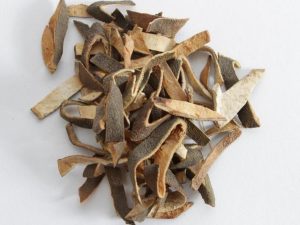
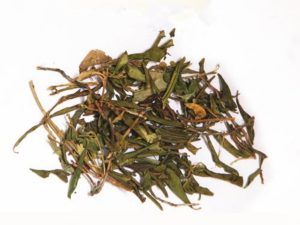
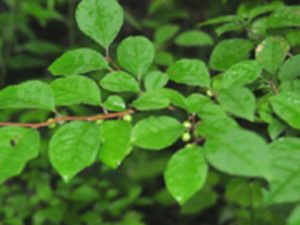
Taking Ophiopogon tuber (Mai-dong) as the chief herb, the formula draws on its sweet, slightly bitter flavor and slightly cold property: its action follows the Stomach, Lung, Heart meridians and works to nourish yin, moisten the lung, generate fluids and calm the heart. Codonopsis root serves as the deputy herb. Northern Glehnia root (Bei Sha-shen) reinforces this deputy action, working to nourish lung and stomach yin, clear heat and generate fluids. Among the assistants, Polygonatum rhizome while Trichosanthes root (Tian-hua-fen) (clear heat, generate fluids and drain pus). Without a separate harmonizing herb, the herbal tea formula balance is achieved through the mutual tempering of its active ingredients. In sum, the prescription nourish stomach yin, aimed squarely at the chronic gastritis pattern rather than at isolated symptoms.