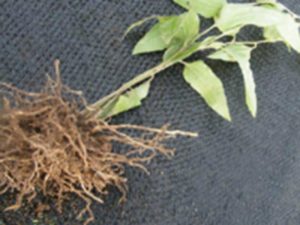
Meishoucao is the name of a traditional Chinese medicine. It is the rhizome of Veronicastrum brunonianum (Benth.) Hong, a plant in the genus Veronicastrum of the Scrophulariaceae family. The plant is distributed in Hubei, Sichuan, Guizhou, and Yunnan. It has the therapeutic effects of clearing heat, eliminating toxins, resolving phlegm, and relieving coughs.It is primarily used to treat coughs with yellow phlegm, sore throat, dysentery with red and white stools, painful urination, and abscesses, swellings, and skin infections.
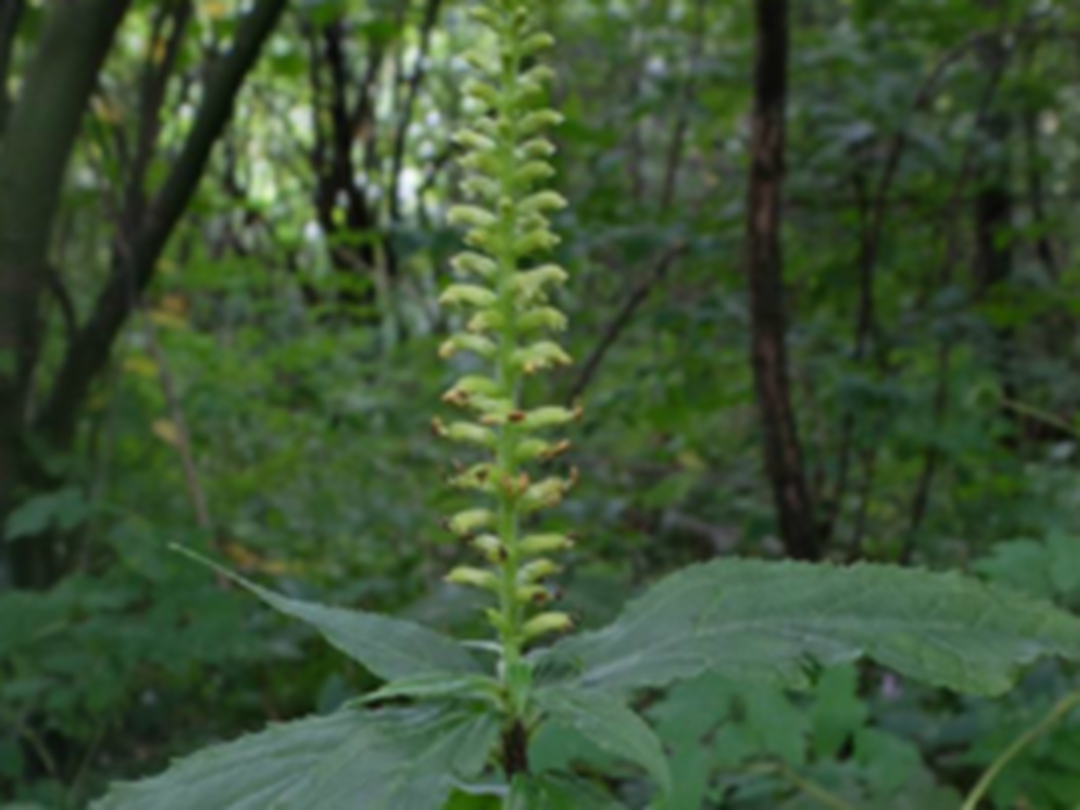
Beautiful-spiked Veronica
Meishoucao is the name of a traditional Chinese medicine. It is the rhizome of Veronicastrum brunonianum (Benth.) Hong, a plant in the genus Veronicastrum of the Scrophulariaceae family. The plant is distributed in Hubei, Sichuan, Guizhou, and Yunnan. It has the therapeutic effects of clearing heat, eliminating toxins, resolving phlegm, and relieving coughs.It is primarily used to treat coughs with yellow phlegm, sore throat, dysentery with red and white stools, painful urination, and abscesses, swellings, and skin infections.
Chinese Name : 美穗草
Aliases : Black Cimicifuga, Alpine Four-sided Cimicifuga, Cough Remedy, Red-underside Leaf, Minor Cold Remedy, Reverse-back Red *Compendium of Chinese Herbal Medicines*
Nature, Flavor & Meridian Tropism : Bitter in taste, cold in nature
Benefits & Efficacy
Benefits
Clears heat and detoxifies; resolves phlegm and relieves cough.
Indications
Cough with yellow phlegm, sore and swollen throat, dysentery with red and white stools, painful and scanty urination, and abscesses, swellings, and toxic sores.
Usage and Dosage
Internal use: Decoct 10–15 g. External use: Pound an appropriate amount of the fresh herb into a paste and apply as a poultice.
Relevant Discussions
*Compendium of Chinese Herbal Medicines*: “Reduces inflammation and detoxifies; relieves cough and resolves phlegm; descends qi and alleviates wheezing; reduces swelling and relieves pain. Primarily used to treat tonsillitis, stomach pain due to heat, cystitis, mastitis, abscesses, boils, and toxic sores; dysentery with red and white stools; and chronic bronchitis.”
Applications
Processing & Preparation
Harvesting & Processing
Harvest in the fall, wash thoroughly, and use fresh or sun-dry.
Crude Drug Identification
Botanical Information
Botanical Classification
Meishoucao (Meishoucao), a plant of the genus Asclepias in the Scrophulariaceae family.
Morphological Characteristics
A perennial herb, 30–150 cm tall. Rhizome up to 10 cm long. Stem erect, cylindrical, with narrow ridges, sparsely branched, glabrous in the middle and lower parts, or with hairs only on the ridges; upper part and inflorescence axis densely covered with nodular glandular hairs.Leaves are alternate; sessile; leaf blades are oblong, 10–20 cm long and 3–5 cm wide, with an acuminate to caudate-acuminate apex, a cuneate base that slightly clasp the stem, and margins bearing fine, blunt or sharp teeth; both surfaces are glabrous or the upper surface is sparsely covered with short hairs.Inflorescence terminal, long-caudate; corolla white, yellowish-white, greenish-yellow to orange-yellow, 6–8 mm long, arched forward at a 30° angle, upper part of corolla tube hairy on the inner surface, lobe 2–3 mm long, upper lip 3-lobed,the central lobe ovate, erect or slightly hood-shaped, the lateral lobes erect or curled laterally backward; the lower lip linear-lanceolate, reflexed; stamens 2, exserted, filaments hairy, anthers ca. 2.5 mm long. The capsule is ovoid, ca. 4 mm long. Seeds are angular, with a thick, transparent, reticulate seed coat. Flowering period: July–August.
Distribution Area
Distributed in Hubei, Sichuan, Guizhou, and Yunnan.