Dark-Exhausted Chrysanthemum, a name in traditional Chinese medicine. It refers to the root of the Asteraceae plant Aster vestitus Franch. [A. mairei Levl.; A. sherrifianus Hand.-Mazz.]. It is distributed in Sichuan, Yunnan, and other areas. It has the therapeutic effects of dispelling wind and dampness, regulating qi, and relieving pain. It is commonly used for wind-cold colds, rheumatic arthralgia, and epigastric pain.
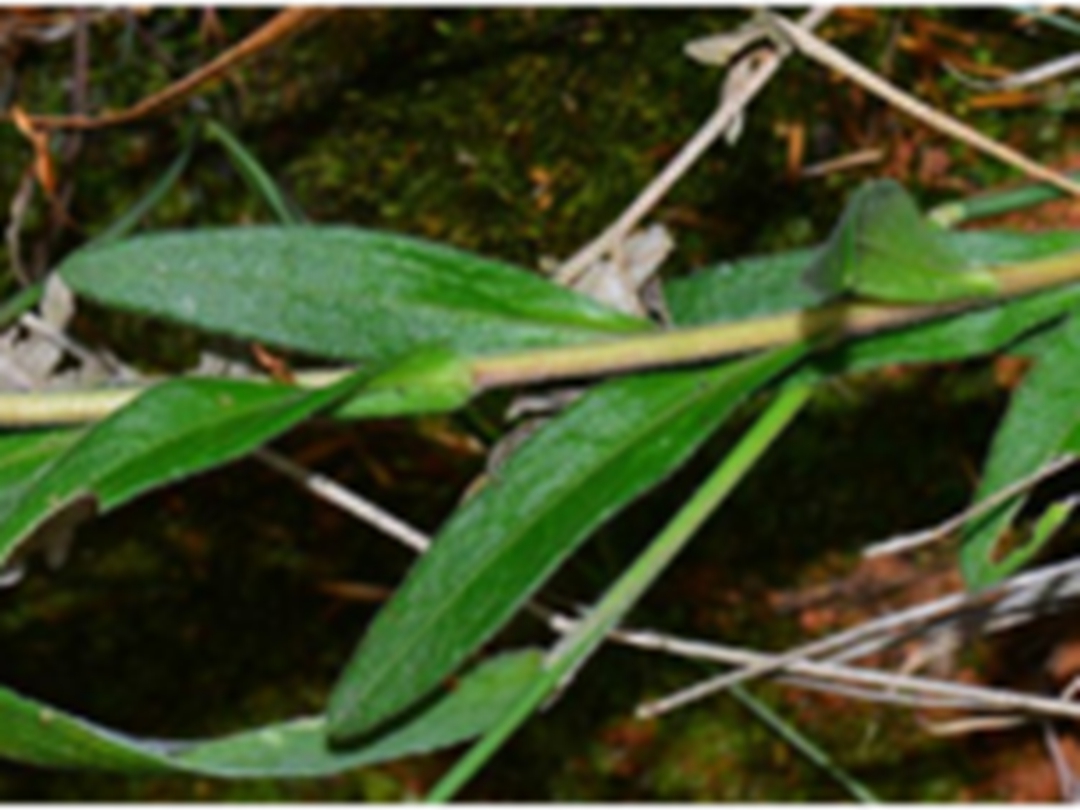
Dark-faded Chrysanthemum
Dark-Exhausted Chrysanthemum, a name in traditional Chinese medicine. It refers to the root of the Asteraceae plant Aster vestitus Franch. [A. mairei Levl.; A. sherrifianus Hand.-Mazz.]. It is distributed in Sichuan, Yunnan, and other areas. It has the therapeutic effects of dispelling wind and dampness, regulating qi, and relieving pain. It is commonly used for wind-cold colds, rheumatic arthralgia, and epigastric pain.
Chinese Name : 菊花暗消
Aliases : Stomach Remedy, Ma’s Purple Flower, White Flower Anxiao
Nature, Flavor & Meridian Tropism : Pungent and bitter in taste; slightly warm in nature
Benefits & Efficacy
Benefits
Dispels wind and dampness; regulates qi and relieves pain.
Indications
Used for wind-cold colds, rheumatic arthralgia, and epigastric pain.
Usage and Dosage
Oral use: Decoct 5–10 g; or grind into powder.
Relevant Discussions
*Yunnan Chinese Herbal Medicine*: “Bitter, pungent, and slightly warm.”
*Yunnan Chinese Herbal Medicine*: “Regulates qi and relieves pain; dispels wind and removes dampness.”
Applications
Related Compatibility
1. For colds and rheumatic pain: 9 g of Chrysanthemum Anxiao. Decoct and drink. (*Medicinal Herbs of Honghe*)
2. For stomach pain and gastric and duodenal ulcers: 1.5 g of Chrysanthemum Anxiao root powder, taken with brown sugar water; or 6 g of Chrysanthemum Anxiao root, decocted and drunk. (*Medicinal Herbs of Honghe*)
Processing & Preparation
Harvesting & Processing
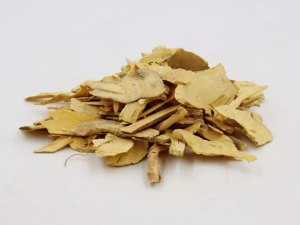
Dig up the roots in the fall, wash them thoroughly, and sun-dry them.
Crude Drug Identification
Botanical Information
Botanical Classification
A plant of the Asteraceae family, Dense-haired Aster.
Morphological Characteristics
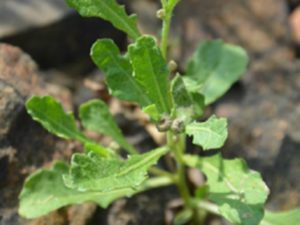
Dense-haired Aster: A perennial herb, 50–130 cm tall. The rhizome is stout, rarely with short stolons. Stems are solitary or rarely tufted, stout, branched toward the top, ridged and grooved, covered with long, dense, curled or spreading hairs, with glandular hairs mixed in the upper part.Leaves are densely arranged; lower leaves wither and fall during flowering; middle leaves are oblong-lanceolate, 4–14 cm long, 1–2.3 cm wide, with an acute or acuminate apex, a cuneate or nearly rounded base, sessile, entire or with 2–3 pairs of shallow teeth toward the apex; upper leaves are small, linear-lanceolate, oblong, or ovate;All leaves are densely covered with glandular hairs; the underside is gray-green, covered with curled or spreading long hairs; the midrib is prominent on the underside, with 3-4 pairs of basal trifid veins and lateral veins. The capitula are 2–3 cm in diameter, arranged in compound corymbs ranging from a few to several dozen; the peduncles are 1–5 cm long.The involucre is hemispherical; the involucral bracts are arranged in approximately 3 layers in an imbricate pattern, with the outer layer having acute tips, often purplish-red at the apex, and the lower part covered with glands and dense hairs; the inner layer is narrowly lanceolate, acuminate, bearing only glands, and ciliate. There are 20–30 ray florets, with white or pale purplish-red ligules; the disk florets are yellow, with lobes 1 mm long;the style appendage is 0.6 mm long. The pappus consists of a single layer, off-white or slightly reddish, with fine, rough hairs. The achene is obovate, flattened, with one rib on each face, covered with white silky hairs, and sometimes bearing glands. Flowering and fruiting occur from September to December.
Distribution Area
Sichuan, Yunnan, and other regions.