Deer Fetus is the name of a traditional Chinese medicinal material. It refers to the fetus or placenta of the sika deer (Cervus nippon Temminck) or the elk (Cervus elaphus Linnaeus) of the Cervidae family. It has the effects of warming the kidneys and strengthening yang, tonifying blood and generating essence, and regulating menstruation and stopping bleeding. It is primarily used to treat kidney yang deficiency, deficiency of essence and blood, soreness and weakness in the lower back and knees, consumptive disease, irregular menstruation, infertility due to uterine cold, and metrorrhagia and leukorrhea.
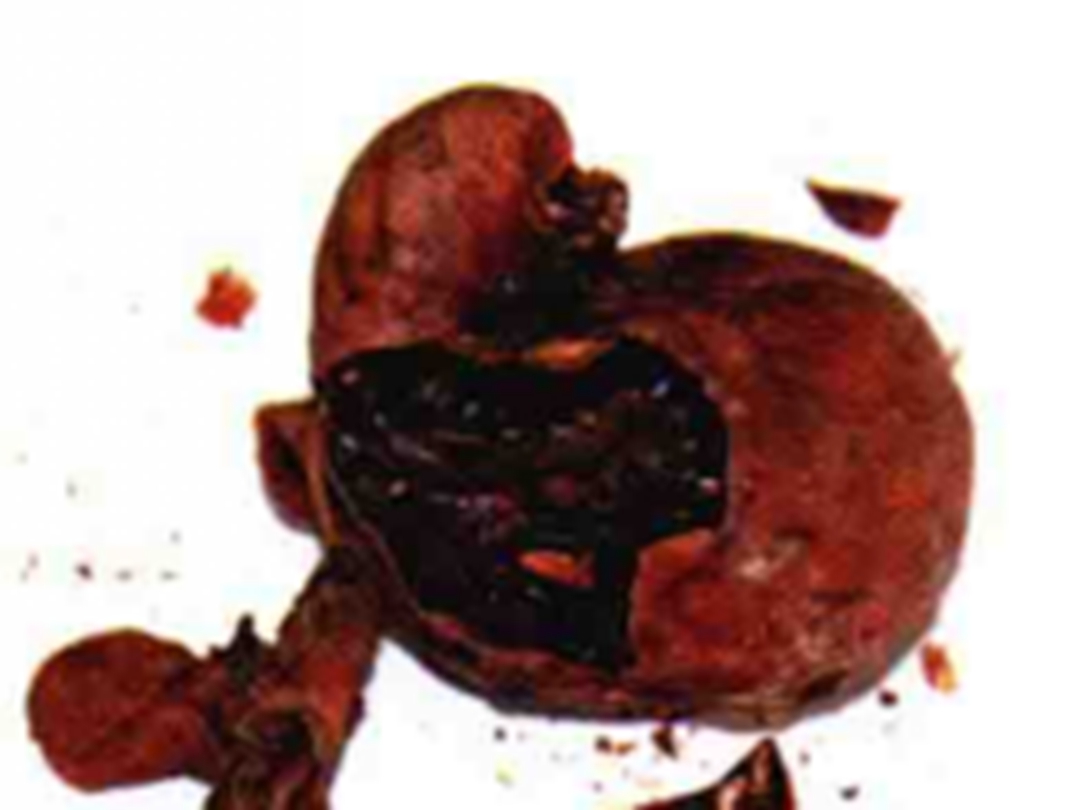
Deer Fetus
Deer Fetus is the name of a traditional Chinese medicinal material. It refers to the fetus or placenta of the sika deer (Cervus nippon Temminck) or the elk (Cervus elaphus Linnaeus) of the Cervidae family. It has the effects of warming the kidneys and strengthening yang, tonifying blood and generating essence, and regulating menstruation and stopping bleeding. It is primarily used to treat kidney yang deficiency, deficiency of essence and blood, soreness and weakness in the lower back and knees, consumptive disease, irregular menstruation, infertility due to uterine cold, and metrorrhagia and leukorrhea.
Chinese Name : 鹿胎
Nature, Flavor & Meridian Tropism : Taste: sweet and salty; Nature: warm
Benefits & Efficacy
Benefits
Warms the kidneys and strengthens yang; tonifies blood and generates essence; regulates menstruation and stops bleeding.
Indications
Deficiency of kidney yang, insufficiency of essence and blood, soreness and weakness in the lower back and knees, consumptive disease, irregular menstruation, infertility due to uterine cold, metrorrhagia, and leukorrhea.
Usage and Dosage
Internal use: Incorporate into pills or powders, 6–15 g; fresh material can be boiled to extract juice and made into a decoction.
Precautions
Contraindicated for those with phlegm-heat in the upper burner or fire in the stomach.
Relevant Discussions
1. *New Compilation of Materia Medica*: “Strengthens the spleen and generates essence; invigorates yang and replenishes fire.”
2. *Original Source of the Classic of Materia Medica*: “Nourishes the innate essence and nourishes the ‘minor fire.’”
3. *Medicinal Animals of Shandong*: “Nourishes the kidneys and strengthens yang; tonifies deficiency and generates essence. Treats deficiency-syndrome and consumptive disease, insufficiency of essence and blood, weakness and soreness in the lower back and legs, cold deficiency in women, and metrorrhagia and leukorrhea.”
4. *Chronicle of Sichuan Chinese Medicinal Herbs* (1979 edition): “Warmly tonifies the lower jiao; stabilizes the Chong Vessel and regulates menstruation. Used for deficiency and exhaustion of the lower jiao, instability of the Chong and Ren Vessels, metrorrhagia and leukorrhea, and infertility due to deficiency of essence and blood.”
Applications
Related Compatibility
For treating deficiency-syndrome and consumptive diseases: Deer fetus (cleaned of impurities, boiled until tender), 8 liang of prepared rehmannia root (mixed with 1 liang each of human milk and powdered Chinese yam, then steamed nine times),10 liang of Dodder Seed (simmered in wine), 8 liang of Goji Berries (soaked in breast milk), 10 liang of Processed Polygonum multiflorum (soaked in breast milk, sun-dried and exposed to night dew nine times), 6 liang of Dendrobium officinale (stir-fried with wine), 5 liang of Morinda officinalis root (stir-fried with wine), 5 liang of Astragalus membranaceus (roasted with butter), and 4 liang of Ginseng. Form into pills using Artemisia annua paste.(From *Shen’s Book on Nourishing Life*: Deer Fetus Pills)
Processing & Preparation
Harvesting & Processing
There are two types of deer fetuses: one is obtained by cesarean section during the late stages of a doe’s pregnancy or from a miscarriage, including the placenta and amniotic fluid, collectively referred to as “water fetus”; the other is a newborn fawn that has not yet been nursed or a stillborn fawn. The former commands a higher price.The processing method involves first washing the fetus with water, removing the fetal hair, then placing it in a pot with 15 kg of water and baking it dry over a fire; another method involves first soaking it in wine for 2–3 days before directly baking it dry over a fire. The dried fetus can be processed into “Deer Fetus Powder” and “Deer Fetus Paste” for medicinal use. When preparing deer fetus paste, some recipes include other medicinal herbs, while others use only the deer fetus alone.
Processing Methods
Take the raw material, remove impurities, chop it into small pieces, spread them on a wire mesh sieve, and place it over a smokeless stove to roast. Once heated, evenly coat the pieces with clarified butter (or sesame oil). After the oil has penetrated the deer placenta pieces, continue coating with oil and roasting. Repeat this process until the pieces turn yellow and become crispy. Remove from the heat, let cool,then grind into a powder.
Storage Methods
Store in a dry container, seal tightly, and keep in a cool, dry place to prevent insect infestation.
Crude Drug Identification
Properties of Crude Drugs
1. Sika Deer Fetus: Fresh fetuses are kidney-shaped or bundle-shaped, varying in size.The outer layer is covered with a thick, pink or rose-colored amniotic membrane that is tough and elastic, containing the fetal deer and amniotic fluid. After removing the amniotic membrane, fetuses at 1 month of gestation have limb buds, and the rudiments of the eyes and mouth are visible on the head. At 4–5 months of gestation, the skeleton is formed, the body surface is hairless, but the general shape of a deer is already present.In fetuses at 6–8 months of gestation or dehydrated deer fetuses (including stillborn newborns), the head is large and oval-shaped, with a small, pointed snout; the eye sockets are large; the eyelid membranes are sunken; the lower lip is relatively long, slightly revealing 1–2 pairs of small white teeth (commonly known as “ischial teeth”); the body is short and slender; the limbs are slender and long; the hooves range from pale yellow to pale brown; and the fur on the back features small white speckles.The tail is short, flat, and round; once dried, it becomes hard and difficult to break. It has a faint fishy odor and a slightly salty taste.
2. Red Deer Fetus: Similar to the Sika Deer fetus, but slightly larger in size, with smaller eye sockets and a longer neck and limbs.
Botanical Information
Morphological Characteristics
1. Sika Deer: The Sika deer is approximately 1.5 m in body length and weighs about 100 kg. It has prominent suborbital glands, large erect ears, and a slender, long neck. Its limbs are slender and long; on the outer side of the hind ankle joints are brown plantar glands. The main hooves are narrow, and the lateral hooves are small. There is a distinct white patch on the rump, and the tail is short.Male sika deer have branched antlers; when fully grown, they have 4–5 tines. The brow tine extends diagonally forward; the second tine is set relatively far from the brow tine, and the main shaft splits into two small tines at its tip. The winter coat of the sika deer is chestnut brown, with inconspicuous white spots. The hair on the muzzle and cheeks is short, with sandy-yellow tips. A dark brown dorsal stripe runs from the top of the head along the spine to the tail.The white rump patch has a dark brown border. The undercoat is pale brown, and the groin area is white. The outer sides of the limbs match the body color, while the inner sides are slightly lighter. The summer coat is thin, without underfur, reddish-brown in color, with prominent white spots arranged in vertical rows along both sides of the spine and the lower edges of the flanks; there is a black dorsal stripe. The belly is white, the dorsal surface of the tail is black, and the limbs are lighter in color than the body.2. Gueland Deer: This species is large, with a body length of 2 m and a weight exceeding 200 kg. Its shoulder height is approximately 1 m; the back is straight, and the heights at the shoulders and hindquarters are equal. The tip of the nose is bare, and the ears are large and conical. The neck is about one-third the length of the body, with relatively long undercoat on the underside of the neck. The limbs are long, and the hooves on both sides are long enough to touch the ground.The tail is short. Males have antlers; the brow tines extend forward, forming nearly a right angle with the main shaft, which curves slightly backward and inward. The surface of the antlers is rough except at the tips, and the base of the antlers has a small ring of tubercle-like protrusions. The winter coat is grayish-brown. The muzzle and lower jaw are dark brown, the cheeks are brown, and the forehead is brownish-black.The outer surface of the ears is yellowish-brown, while the inner surface is white. The neck and dorsal surface of the body are slightly yellowish-brown, with a blackish-brown dorsal stripe. The outer sides of the limbs are brown, while the inner sides are lighter in color. The rump has a yellowish-ochre patch. The summer coat is shorter, without undercoat, and reddish-brown in color.
Distribution Area
1. Sika Deer: Found in Northeast, North, East, and South China. 2. Elk: Found in Northeast, Northwest China, and Inner Mongolia, among other areas.