Hops Flower: A name for a traditional Chinese medicinal material. It consists of the dried female flower spikes of Humulus scandens (Lour.) Merr., a plant in the Moraceae family. It has the efficacy of nourishing yin and moistening the lungs. It is primarily used to treat symptoms such as yin deficiency with internal heat, dry cough with scant phlegm, and night sweats.
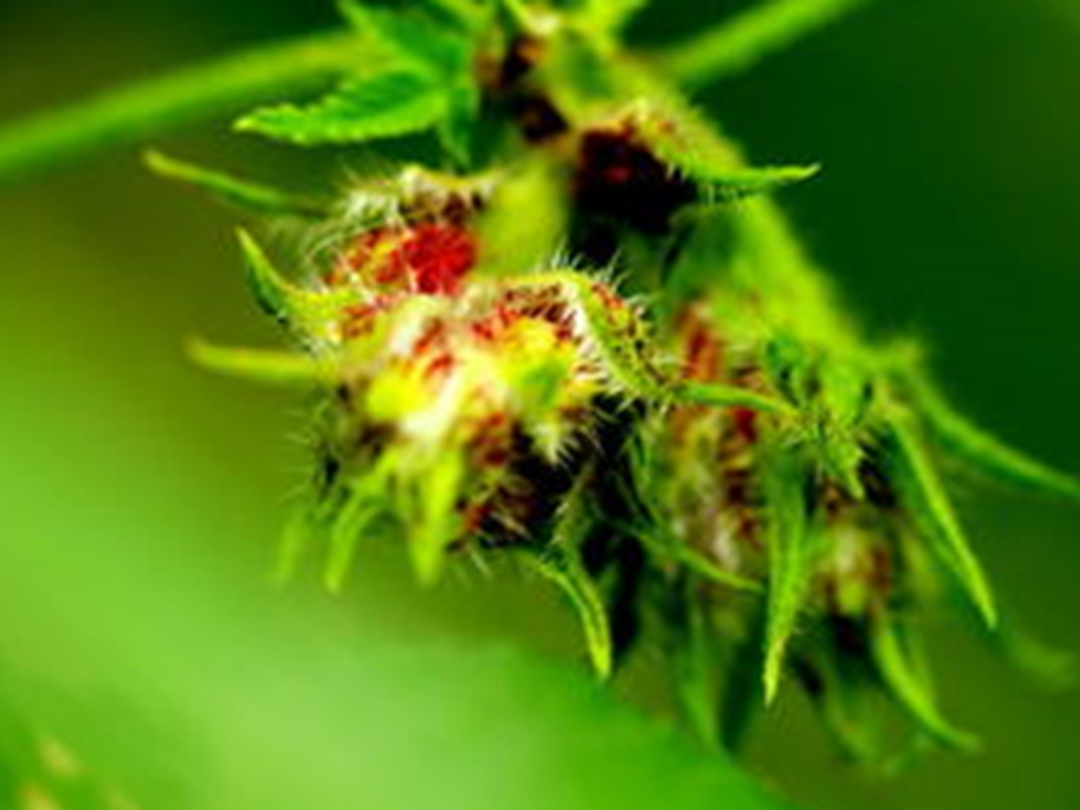
Hops Flower
Hops Flower: A name for a traditional Chinese medicinal material. It consists of the dried female flower spikes of Humulus scandens (Lour.) Merr., a plant in the Moraceae family. It has the efficacy of nourishing yin and moistening the lungs. It is primarily used to treat symptoms such as yin deficiency with internal heat, dry cough with scant phlegm, and night sweats.
Chinese Name : 葎草花
Nature, Flavor & Meridian Tropism : Sweet in taste, slightly cold in nature; enters the Lung Meridian
Benefits & Efficacy
Benefits
Nourishes yin and moistens the lungs.
Indications
Yin deficiency with internal heat, dry cough with scant phlegm, and night sweats.
Usage and Dosage
9–18 g; or ground into powder.
Precautions
Patients requiring treatment with this herb should first consult a licensed Traditional Chinese Medicine hospital, where a TCM practitioner will conduct a professional differential diagnosis and prescribe a herbal formula.
Applications
Processing & Preparation
Harvesting & Processing
Harvest during flowering in July–August, then dry.
Processing Methods
Take the Hops flowers, remove impurities and leaves, and sift out ash residue.
Storage Methods
Store in a dry container in a well-ventilated, dry place.
Crude Drug Identification
Properties of Crude Drugs
Short spike-like inflorescences, composed of more than 10 flowers; each pair of female flowers has one ovate to lanceolate bract with white hairy spines and yellow glandular dots; no perianth; two styles.
Botanical Information
Botanical Classification
Hops (Humulus lupulus) of the Moraceae family.
Morphological Characteristics
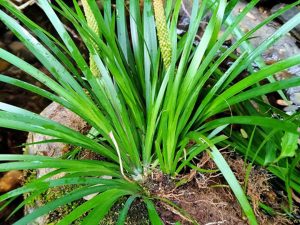
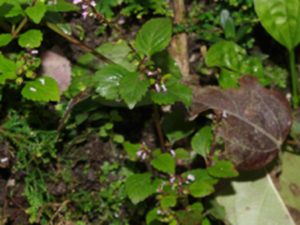
An annual or perennial climbing herb. Stems up to several meters long, pale green, with longitudinal ridges; stems, branches, and petioles densely covered with short, backward-pointing hooked spines.Leaves are simple and opposite; petioles are 5–20 cm long, slightly 6-angled, and bear short, backward-pointing spines; palmate leaves are deeply lobed into 5–7 segments, approximately 5–15 cm in diameter, with lobes that are ovate or ovate-lanceolate, abruptly or gradually tapering to a point at the apex, serrated at the margins, bearing coarse bristles on the upper surface, fine oil dots on the lower surface, and stiff hairs along the veins.Flowers are unisexual; the plant is dioecious. Male inflorescences are panicles; female inflorescences are short spikes. Male flowers are small, with 5 perianth segments that are yellowish-green, and 5 stamens with short, thread-like filaments;Female flowers occur in pairs, each with one bract; the bract is ovate-lanceolate, covered with white spiny hairs and small yellow glandular dots; the perianth consists of a single, grayish-white segment that tightly encloses the pistil; the ovary is single, protruding at the top, and sparsely covered with fine hairs. The fruit spike is green and nearly spherical; the achenes are pale yellow and flattened-spherical. Flowering occurs from June to October, and fruiting from August to November.
Distribution Area
It is distributed throughout most of China.
Growth Habits
It prefers a warm and humid climate and is highly adaptable. It is best cultivated in loose, fertile, deep, well-drained sandy loam or loam soils.
Propagation Methods
Propagated by seed.
Cultivation Techniques
Seed propagation: Harvest seeds in September–October. Sow in holes in April, digging holes with a spacing of 36 cm × 30 cm between plants and rows. Mix the seeds thoroughly with wood ash before sowing, cover lightly with fine soil, and water.
Pest and Disease Control
Diseases include rust and powdery mildew.