Ma Zong Shen is the name of a traditional Chinese medicine. It consists of the root or the whole plant of Cyananthus argenteus Marq. (family Campanulaceae). It is distributed in northwestern Yunnan. It has the therapeutic effects of strengthening the spleen, dispelling dampness, relaxing tendons, and unblocking meridians. It is commonly used to treat spleen deficiency with fatigue, childhood diarrhea, rheumatic pain, and injuries from falls or blows.
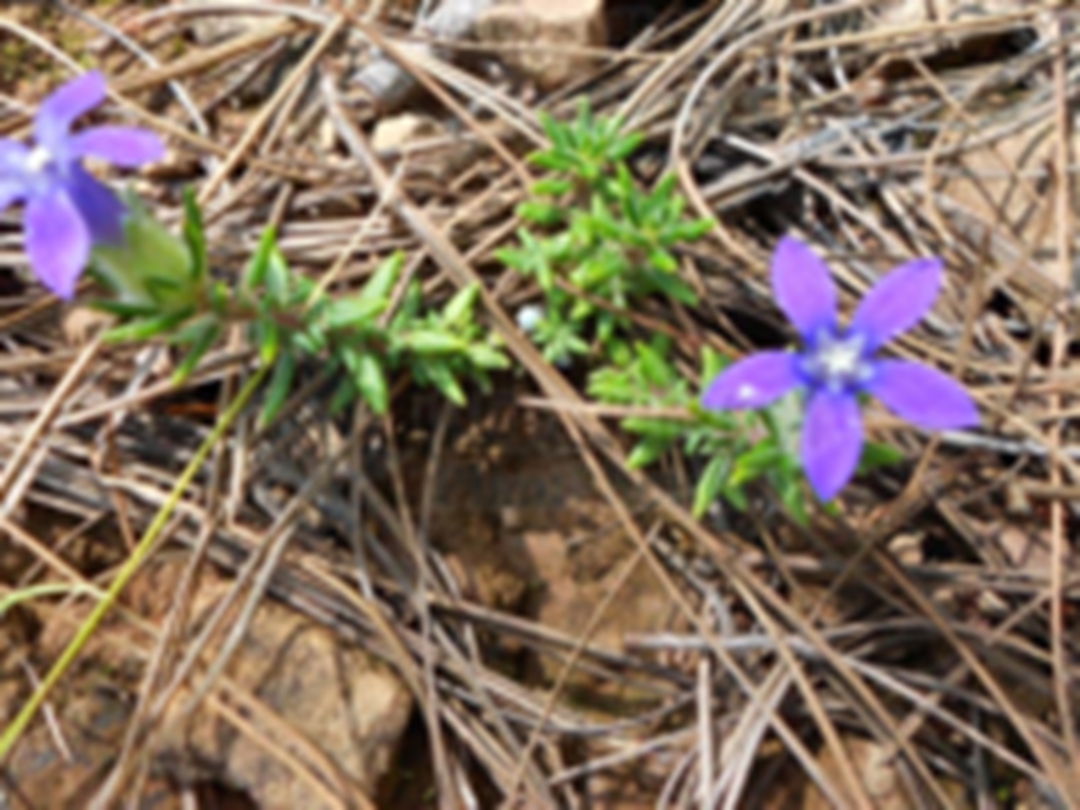
Horse-Maned Ginseng
Ma Zong Shen is the name of a traditional Chinese medicine. It consists of the root or the whole plant of Cyananthus argenteus Marq. (family Campanulaceae). It is distributed in northwestern Yunnan. It has the therapeutic effects of strengthening the spleen, dispelling dampness, relaxing tendons, and unblocking meridians. It is commonly used to treat spleen deficiency with fatigue, childhood diarrhea, rheumatic pain, and injuries from falls or blows.
Chinese Name : 马鬃参
Aliases : Bu Gen Cao, Small White Cotton
Nature, Flavor & Meridian Tropism : Sweet and bitter in taste; warm in nature
Benefits & Efficacy
Benefits
Strengthens the spleen and removes dampness; relaxes tendons and activates meridians.
Indications
Mainly used to treat spleen deficiency with fatigue, childhood diarrhea, rheumatic arthralgia, and trauma.
Usage and Dosage
Oral use: Decoct in water; 6–9 g. Please note that due to differences in each patient’s condition, constitution, age, and other factors, the specific dosage of Ma Zong Shen may vary from person to person. Patients should strictly follow the dosage prescribed by their doctor.
Precautions
1. Patients requiring treatment with traditional Chinese medicine should first consult a licensed TCM hospital to receive a prescription following a professional TCM differential diagnosis. 2. If you need to take other medications concurrently during treatment, consult your doctor or pharmacist first. Do not take any medications on your own to avoid drug interactions that may reduce efficacy or increase the risk of adverse reactions. 3. Pregnant women, women planning to become pregnant, and breastfeeding women must proactively inform their doctor of their physiological status (such as stage of pregnancy or breastfeeding status) before taking this medication. The doctor will then assess the safety and suitability of the medication based on individual circumstances.
Relevant Discussions
1. *Compendium of Chinese Herbal Medicines*: “Sweet, bitter, and warm in nature.”
2. *Compendium of Chinese Herbal Medicines*: “Strengthens the spleen and removes dampness; unblocks meridians and activates collaterals. Primarily used to treat pediatric diarrhea caused by ‘milk toxicity’ (consumption of stale breast milk), rheumatic pain, and trauma.”
3. *Lijiang Chinese Herbal Medicine*: “It has the function of strengthening the spleen and eliminating dampness. It is used for pediatric diarrhea, rheumatic pain, and trauma.”
Applications
Notes
References for this entry: 1. *Chinese Materia Medica*. 2. *Compendium of Chinese Herbal Medicines*.
Processing & Preparation
Harvesting & Processing
Harvested in summer, washed, and sun-dried.
Crude Drug Identification
Botanical Information
Botanical Classification
Plant: General Campanula, genus Campanula of the Campanulaceae family.
Morphological Characteristics
A perennial herb, 10–30 cm tall.
1. Stem: The stem base is stout and lignified, with persistent scales; fresh scales are few, ovate, and approximately 2 mm long. The stem is ascending, lignified, unbranched or with numerous short branches, and densely covered with grayish-white tomentum.
2. Leaves: Alternate or clustered on short branches, nearly sessile; leaf blades ovate-lanceolate, 0.5–1 cm long, 1–3 mm wide, with a gradually tapering apex and an acuminate base; widest below the middle; margins strongly revolute, entire; both surfaces sparsely pubescent.
3. Flowers: Flowers are solitary at the tips of the main stem and branches, often clustered on one side of the stem to form a raceme-like arrangement, and are nearly sessile; the calyx is tubular, approximately 8 mm long and 5–6 mm wide at flowering, densely covered with brownish-yellow long soft hairs on the outside; the lobes are lanceolate, 5–7 mm long, and hairy both inside and out;The corolla is long-tubular and bell-shaped, 2.8–3.5 cm long, blue or purple, glabrous on the outside, and densely pubescent at the throat on the inside; the lobes are obovate-oblong, 0.9–1.2 cm long, with the apex often bearing a tuft of several bristles. Flowering period: August–September.
Distribution Area
Distributed in northwestern Yunnan.