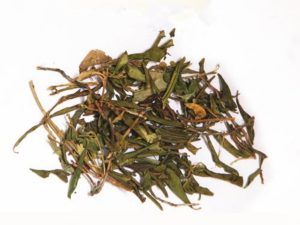
Ma Huang Qi, a name in traditional Chinese medicine.It is the rhizome of Didymocarpus fimbrisepalus (Hand.-Mazz.) Hand.-Mazz., a plant in the Gesneriaceae family. It is distributed in Guangxi and other areas. It has the effects of strengthening the spleen and harmonizing the middle burner, clearing heat and removing dampness, and reducing swelling and relieving pain. It is commonly used for stomach pain, childhood malnutrition, hepatitis, reducing swelling and relieving pain, bone setting, and treating contusions and bruises.
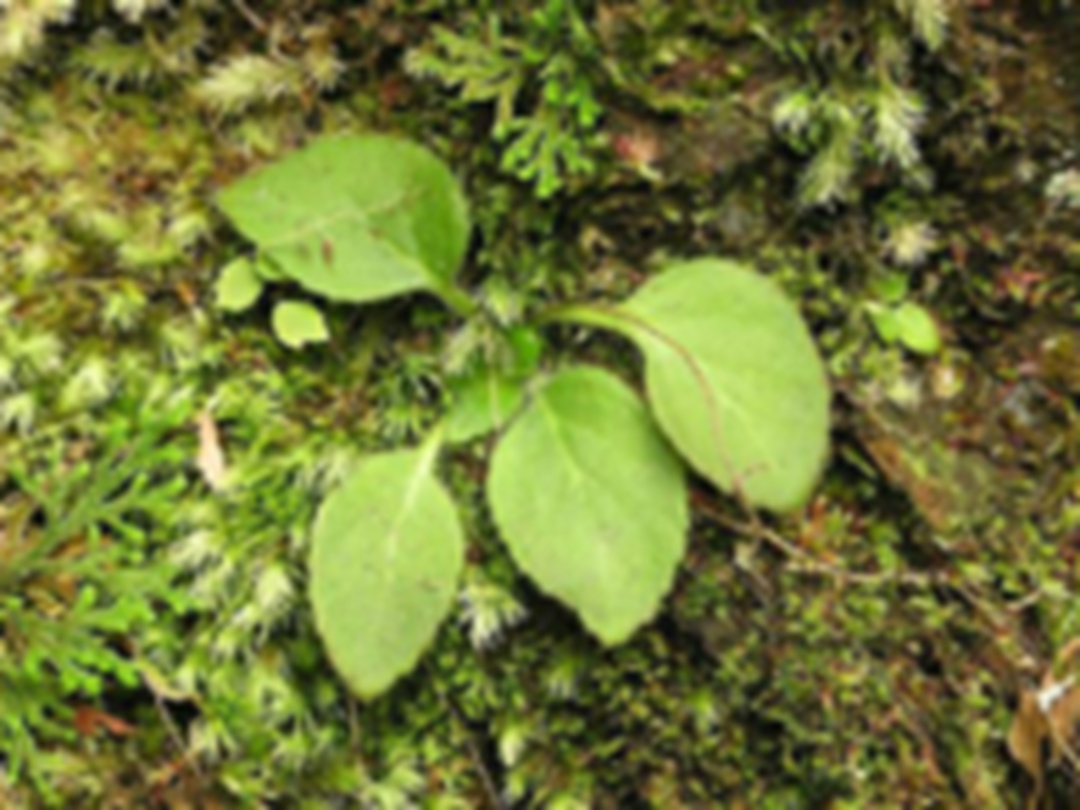
Leech Ginseng
Ma Huang Qi, a name in traditional Chinese medicine.It is the rhizome of Didymocarpus fimbrisepalus (Hand.-Mazz.) Hand.-Mazz., a plant in the Gesneriaceae family. It is distributed in Guangxi and other areas. It has the effects of strengthening the spleen and harmonizing the middle burner, clearing heat and removing dampness, and reducing swelling and relieving pain. It is commonly used for stomach pain, childhood malnutrition, hepatitis, reducing swelling and relieving pain, bone setting, and treating contusions and bruises.
Chinese Name : 蚂蝗七
Aliases : Red Leeches (No. 7), Rock Crabs, Rock Centipedes, Asbestos
Nature, Flavor & Meridian Tropism : Slightly bitter in taste, cool in nature. Entering the Lung, Spleen, and Stomach meridians
Benefits & Efficacy
Benefits
Strengthens the spleen and harmonizes the middle, clears heat and removes dampness, reduces swelling and relieves pain.
Indications
Used for stomach pain, childhood malnutrition, hepatitis, reducing swelling and relieving pain, bone setting, and treatment of contusions and bruises.
Usage and Dosage
Internal use: Decocted as a soup, 6–18 grams. External use: Pounded and applied as a poultice.
Precautions
Use with caution in patients with spleen-stomach deficiency-cold.
Relevant Discussions
*Catalog of Medicinal Plants of Guangxi*: “For internal use, it relieves coughs, treats stomach pain, dysentery, and malnutrition in children. For external use, it reduces swelling, relieves pain, promotes bone healing, and treats contusions and bruises.”
*New Selection of Practical Chinese Herbal Medicines of Guangxi*: “Strengthens the spleen and aids digestion; clears heat and removes dampness. Treats malnutrition in children and hepatitis.”
Applications
Related Compatibility
1. For pediatric malnutrition: Seven leeches and one starved leech. Decoct in water or steam with lean pork and consume. (*New Selection of Practical Chinese Herbal Medicines of Guangxi*)
2. Mumps: Apply a paste made from fresh, crushed herb to the affected area. (*Hunan Pharmacopoeia*)
3. Hemoptysis, stomach pain: 9–15 g of root, decocted in water and taken orally. (*Hunan Pharmacopoeia*)
4. Boils, abscesses, toxic swellings, swelling and pain from falls and blows, and bleeding from external injuries: Apply a paste made from fresh, crushed root to the affected area. (*Hunan Pharmacopoeia*)
Processing & Preparation
Harvesting & Processing
Can be harvested year-round; dry in the sun for later use.
Crude Drug Identification
Botanical Information
Botanical Classification
A plant of the Gesneriaceae family, *Corydalis ciliate*.
Morphological Characteristics
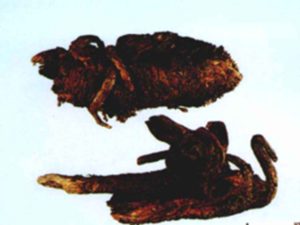
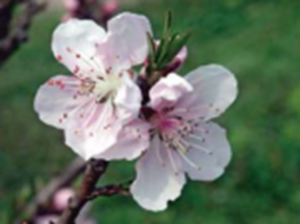
Ciliate-calyx Long-capsule Primula: A perennial herb. The rhizome is flattened and cylindrical, 3–12 cm long, green, with transverse striations, resembling a leech, and bearing numerous fibrous roots on its underside.Leaves are clustered at the base and fleshy; leaf blades are broadly ovate, with a short acute apex, a heart-shaped, asymmetrical base, and bluntly toothed margins; the upper surface is dark green, the lower surface pale green, and both surfaces are covered with white, nodular hairs. The cymose inflorescence is densely covered with nodular hairs; flowers are purplish-blue. The capsule is linear and splits into two valves when ripe. Flowering occurs in spring and summer.
Distribution Area
Distributed in Guangxi and other regions.