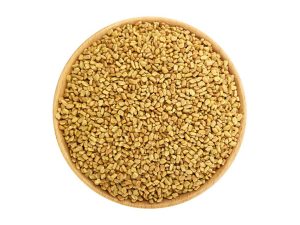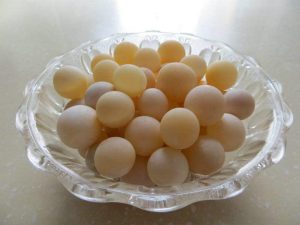
Ma Dang Guo, a name in traditional Chinese medicine. It refers to the seeds of Gynocardia odorata R.Br., a plant in the Sapindaceae family. It is distributed in southeastern Yunnan, Tibet, and other areas. It has the effects of dispelling wind, removing dampness, and detoxifying. It is primarily used to treat leprosy, elephantiasis, and skin diseases.
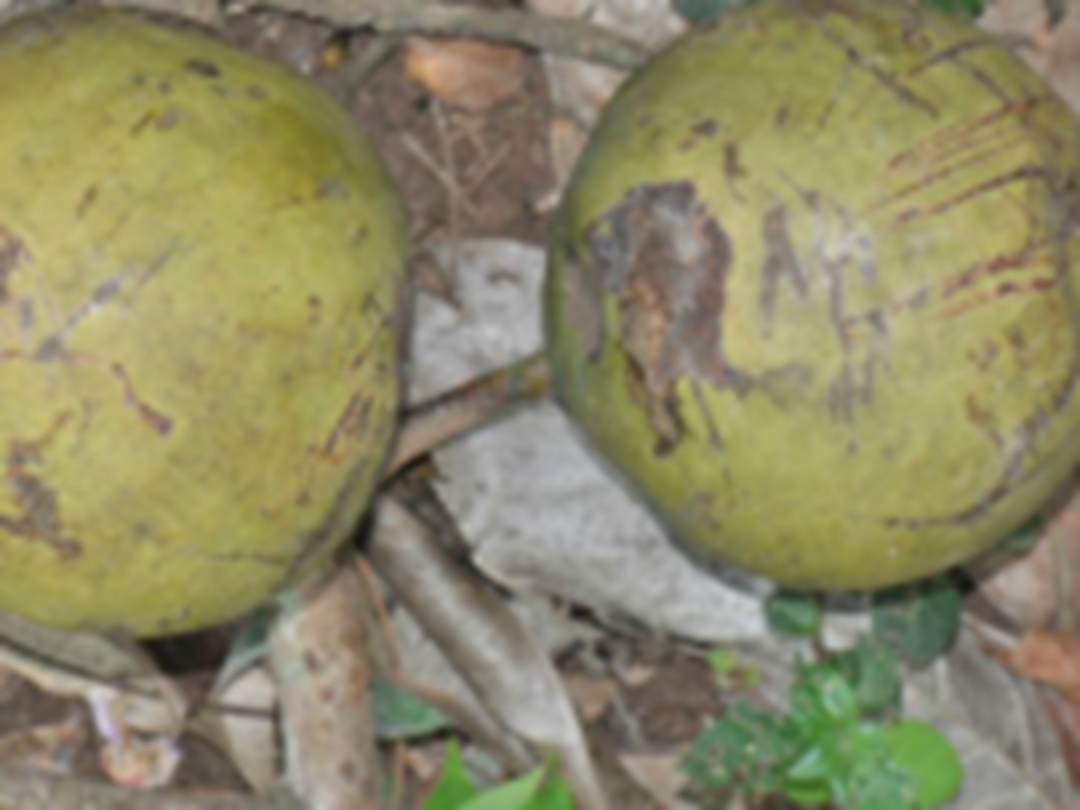
Ma Dang Guo
Ma Dang Guo, a name in traditional Chinese medicine. It refers to the seeds of Gynocardia odorata R.Br., a plant in the Sapindaceae family. It is distributed in southeastern Yunnan, Tibet, and other areas. It has the effects of dispelling wind, removing dampness, and detoxifying. It is primarily used to treat leprosy, elephantiasis, and skin diseases.
Chinese Name : 马蛋果
Latin Name : Gynocardia odorata R.Br.
Aliases : Sand Pear Fruit, Tree Papaya
Authentic Producing Area : Southeastern Yunnan, Tibet
Nature, Flavor & Meridian Tropism : Pungent in taste, warm in nature; enters the Lung, Heart, and Liver meridians
Benefits & Efficacy
Benefits
Dispels wind, removes dampness, and detoxifies.
Indications
Leprosy, elephantiasis, skin diseases.
Usage and Dosage
External use: Apply an appropriate amount, pounded into a paste; or calcify until inorganic, grind into a powder, and apply.
Precautions
Not yet established.
Relevant Discussions
Southern Medicinal Herbs, *Chinese Materia Medica*: “Used to treat leprosy and elephantiasis.”
Applications
Processing & Preparation
Harvesting & Processing
Harvest ripe fruits in August–September; extract the seeds and use them fresh or sun-dried.
Crude Drug Identification
Botanical Information
Botanical Classification
Ma Dang Guo, a plant of the Sapindaceae family.
Morphological Characteristics
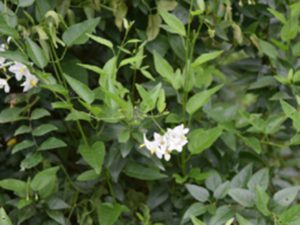
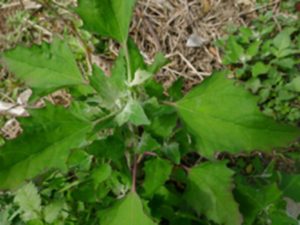
Ma Dang Guo: A tall tree. The pith of one-year-old branches is large and soft. Leaves are leathery, oblong, 12–20 cm long, 5–8 cm wide, nearly entire, with a protruding, gradually tapering apex (up to 1 cm long) and a base that is broadly wedge-shaped to bluntly rounded; there are 5–7 pairs of parallel veins that are raised on the underside.Flowers are unisexual; the plant is dioecious. They are clustered, mostly on old stems, with a few in leaf axils; the calyx is cup-shaped, truncate or 5-lobed; there are 5 petals, each with a scale at the base;Male flowers bear numerous stamens; female flowers bear 10–15 rudimentary stamens, with a 5-merous ovary and style; the stigma is large and heart-shaped, and the ovules are numerous, borne on parietal placentas. The fruit is spherical, 5–6 cm in diameter, pale yellowish-brown, with a thick, lignified pericarp and a rough surface. Fruiting occurs in August.
Distribution Area
It is distributed in southeastern Yunnan, Tibet, and other areas.