Mulberry Mantis Egg Case is a commonly used medicinal herb for consolidating semen, stopping leukorrhea, and reducing urination. It consists of the dried egg cases of the mantid insects Tenodera sinensis Saussure, Statilia maculata (Thurlberg), or Hierodula patellifera (Serville).These three species are commonly known as “Round Mantis Egg Case,” “Long Mantis Egg Case,” and “Black Mantis Egg Case,” respectively. They possess the therapeutic effects of consolidating semen, reducing urinary frequency, tonifying the kidneys, and enhancing yang energy. They are primarily used to treat nocturnal emissions, premature ejaculation, enuresis, frequent urination, and cloudy urine.

Mulberry Mantis
Mulberry Mantis Egg Case is a commonly used medicinal herb for consolidating semen, stopping leukorrhea, and reducing urination. It consists of the dried egg cases of the mantid insects Tenodera sinensis Saussure, Statilia maculata (Thurlberg), or Hierodula patellifera (Serville).These three species are commonly known as “Round Mantis Egg Case,” “Long Mantis Egg Case,” and “Black Mantis Egg Case,” respectively. They possess the therapeutic effects of consolidating semen, reducing urinary frequency, tonifying the kidneys, and enhancing yang energy. They are primarily used to treat nocturnal emissions, premature ejaculation, enuresis, frequent urination, and cloudy urine.
Chinese Name : 桑螵蛸
Latin Name : Mantidis Ootheca
Aliases : Tick-like Cuttlefish, Mulberry Cuttlefish, Burnt Cuttlefish, Cuttlefish, Zhi Shen, Mantis Eggs, Mulberry Tree Mantis Nest, Wild Fox Snot, Urine-Holding Man, Knife Mantis, Old Crow’s Core Navel,Mantis Eggs, Pee-Squeezer, Peeing Dog, Monkey’s Bundle, Mantis Shell
Nature, Flavor & Meridian Tropism : Taste: sweet and salty; nature: neutral; enters the Liver and Kidney meridians
Benefits & Efficacy
Benefits
It consolidates essence and reduces urination, and tonifies the kidneys to enhance yang.
Indications
Mainly used for nocturnal emissions, premature ejaculation, enuresis, frequent urination, and cloudy urine.
Usage and Dosage
Internal use: Decocted as a soup, 5–10 g.
Precautions
Contraindications for combination with other Chinese herbs: incompatible with Xuanfu Hua.
Chemical Constituents
It primarily contains proteins, fats, amino acids, vitamins, and trace elements.
Pharmacological Actions
This product has antidiuretic, antihypoxic, and antioxidant effects.
Relevant Discussions
1. *Shennong Bencao Jing*: “Salty in taste, neutral in nature. Treats internal injuries, hernias, and abdominal masses; treats impotence; enhances essence and promotes conception; treats amenorrhea and lower back pain in women; alleviates the five types of dysuria; and promotes urination.”
2. *Mingyi Bielu*: “Sweet in taste, non-toxic. Treats male deficiency syndromes, weak qi of the five zang organs, nocturnal emission, and enuresis. Long-term use boosts qi and nourishes the spirit.”
3. *Benjing Fengyuan*: “It is a herb for the liver, kidneys, and Gate of Life. Its primary function is astringency; therefore, it is frequently used in formulas for male deficiency, kidney decline, impotence, nocturnal emission, enuresis, and leukorrhea.”
Applications
Clinical Applications
1. To treat kidney deficiency-induced nocturnal emission and seminal leakage, it is combined with dragon bone, schisandra, and processed aconite, as in the Mulberry Cuttlefish Pills (from *Effective Formulas of the World’s Physicians*).
2. To treat bedwetting in children, it may be used alone as a powder, taken with rice soup.
3. To treat mental confusion, frequent urination, enuresis, and leukorrhea, it is combined with Polygala, Dragon Bone, and Acorus tatarinowii, as in the Mulberry Cuttlefish Pills (from *Ben Cao Yan Yi*).
4. To treat kidney deficiency-induced erectile dysfunction, it is commonly used in combination with deer antler, Cistanche, and Cuscuta.
Related Compatibility
1. Mulberry Cuttlefish Combined with Astragalus: Mulberry cuttlefish is sweet and salty in taste, neutral in nature, and enters the Liver and Kidney meridians; it tonifies the kidneys, consolidates essence, and helps control urinary leakage. Astragalus has a sweet taste that tonifies and a warm nature that ascends; it is a key herb for tonifying qi and raising yang.When combined, Astragalus leverages its ability to tonify central qi, nourish primordial qi, warm the Three Jiao, and strengthen spleen yang, thereby assisting Mulberry Cuttlefish in tonifying the kidneys, supporting yang, and reducing urination and stopping seminal emission. This combination is suitable for conditions such as kidney deficiency with qi weakness, resulting in seminal emission, loose stools, enuresis, or frequent, prolonged, and clear urination due to a lack of control.
2. Mulberry Cuttlefish Bone Combined with Dodder Seed: Mulberry Cuttlefish Bone enters the Liver and Kidney meridians; it tonifies the Kidneys, assists yang, consolidates essence, and reduces urination. Dodder Seed, sweet and warm in nature, enters the Kidney meridian; it tonifies both Kidney yang and Kidney yin, making it a herb that tonifies both yin and yang, and also has the effect of consolidating essence and reducing urination.When used together, these two herbs tonify the Lower Jiao, consolidate essence, reduce urination, and stop involuntary emissions. They are suitable for conditions such as deficiency of the Lower Jiao, soreness and weakness in the lower back and knees, erectile dysfunction, nocturnal emissions, enuresis, frequent urination, and leukorrhea.
Medicinal Identification
1. Mulberry Squid and Cornus Officinalis: Both herbs tonify the kidneys, support yang, consolidate essence, and stop seminal emission, and are used for conditions such as seminal emission, enuresis, and erectile dysfunction. However, Mulberry Squid is sweet and salty in nature, enters the Kidney meridian, and has an astringent quality; its primary action is astringent, and its kidney-tonifying effect leans toward tonifying yang.Cornus officinalis has a sour taste, is slightly warm in nature, and has a moist quality; its tonifying effect is moderate. It can tonify both yin and yang, making it a key herb for tonifying the liver and kidneys. It can also consolidate the Chong and Ren meridians, curb sweating, and prevent collapse. It is further used for liver and kidney deficiency manifested as dizziness and vertigo, soreness and weakness in the lower back and knees, metrorrhagia and menorrhagia, as well as profuse sweating due to general physical weakness that threatens collapse.
2. Mulberry Cyst (桑螴蛸) and Amomum Seed (益智仁): Both herbs warm and tonify the Lower Jiao while reducing urination and consolidating essence. For conditions such as enuresis, frequent urination, and seminal emission caused by deficiency-cold in the Lower Jiao, they can be combined to enhance the effects of assisting yang and consolidating and astringing.However, Mulberry Cuttlefish Bone primarily has astringent properties and is mainly used for enuresis and frequent urination caused by deficiency-cold in the lower jiao; whereas Amomum Seed also has the effects of warming the spleen, controlling saliva, and stopping diarrhea, and can be used for spleen-stomach deficiency-cold with excessive salivation.
Related Medicines
Tongren Black-Bone Chicken and White Phoenix Pills (oral solution).
Related Prescriptions
Mulberry Cuttlefish Bone Powder (from *Ben Cao Yan Yi*).
Medicinal Diet Therapy
A medicinal dish related to mulberry cuttlefish is Mulberry Cuttlefish and Bullfrog Soup.
1. Benefits: Tonifies the kidneys and strengthens yang; fortifies tendons and bones; dispels wind-dampness. Primarily used to treat kidney deficiency-induced impotence, urinary incontinence, and soreness in the lower back and knees.
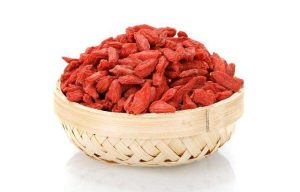
2. Ingredients: 1 bullfrog (approx. 90 g), 9 g mulberry cuttlefish, 30 g Cornus officinalis fruit, 9 g Morinda officinalis root, and 15 g goji berries.
3. Preparation: Cut the bullfrog open, remove the head, skin, and internal organs, then cut into pieces. Rinse the mulberry cuttlefish, Chinese cornel fruit, Morinda root, and goji berries and set aside. Place all ingredients into a pot, add an appropriate amount of water, bring to a boil over high heat, then simmer over low heat for 2 hours. Season to taste before serving.
4. Usage: Eat the meat and drink the soup.
Notes
Patients requiring treatment with Chinese herbal medicine should first consult a licensed Traditional Chinese Medicine (TCM) hospital, where a TCM practitioner will conduct a professional pattern differentiation and prescribe an herbal formula.
Processing & Preparation
Harvesting & Processing
Collect from late autumn through the following spring; remove impurities; steam until the insect eggs are dead; then dry.
Processing Methods
1. Mulberry Cuttlefish: Take the raw herb, remove impurities, steam thoroughly, and dry. Chop into small pieces before use.
2. Roasted Mulberry Cuttlefish: Place the cleaned mulberry cuttlefish in a pan, heat over low heat, and roast until it turns brownish-yellow with scorched spots. Remove and let cool.
3. Salted Mulberry Cyst: Take the cleaned mulberry cysts, mix them thoroughly with salt water, let them sit until moistened, then place them in a pan. Heat over low heat and stir-fry until a fragrant aroma is released; remove and let cool. Use 2.5 kg of table salt per 100 kg of mulberry cysts.
4. Wine-treated Mulberry Cuttlefish: Take steamed, cleaned mulberry cuttlefish, spray evenly with wine until slightly moistened, place in a pan, and heat over low heat. Stir-fry until slightly dry, then remove and let cool. Use 10 kg of yellow wine for every 100 kg of cleaned mulberry cuttlefish.
Storage Methods
Store in a dry, airtight container in a well-ventilated, dry place to prevent insect infestation.
Crude Drug Identification
Properties of Crude Drugs
The best quality is characterized by dryness, integrity, no emerged larvae, a yellow color, light weight with some toughness, and the absence of impurities such as twigs or grass stalks.
1. Cylindrical Mulberry Silkworm Cocoons: Slightly cylindrical or semicircular in shape, composed of multiple thin, membranous layers stacked together, 2.5–4 cm long and 2–3 cm wide.The surface is light yellowish-brown; the band-like ridges on the upper surface are not prominent, while the underside is flat or has concave grooves. It is light in weight, with a loose yet resilient texture. A cross-section reveals a spongy outer layer and an inner layer composed of numerous radially arranged small chambers, each containing a tiny, oval-shaped egg that is dark brown and glossy. It has a faint fishy odor and a mild or slightly salty taste.
2. Long Cuttlefish: Slightly oblong in shape, narrower at one end, 2.5–5 cm long and 1–1.5 cm wide. The surface is grayish-yellow; the band-like ridges on the upper surface are distinct, with a dark brown shallow groove and oblique striations on either side of each band. The texture is hard and brittle.
3. Black Cuttlefish Bone: Slightly trapezoidal in shape, 2–4 cm long and 1.5–2 cm wide. The surface is grayish-brown, with a distinct band-like ridge on top; both sides feature diagonal striations, and the tip curves slightly upward near the tail end. The texture is hard and tough.
Properties of Processed Slices
1. Mulberry Cuttlefish: See “Characteristics of the Medicinal Material.”
2. Roasted Mulberry Cuttlefish: The surface is charred yellow with slight scorch marks.
3. Salted Mulberry Cuttlefish: Resembles roasted mulberry cuttlefish in shape and has a slightly salty taste.
4. Wine-Infused Mulberry Cuttlefish: Resembles roasted mulberry cuttlefish in shape and has a slight wine aroma.
Botanical Information
Morphological Characteristics
1. Giant Mantis: Large in size, approximately 8 cm long. Yellowish-brown or green in color, with a triangular head; the pronotum and shoulders are well-developed, and the rear section widens slightly toward the base of the forelegs. The pronotum is slender and elongated.The forewings are leathery, with a greenish anterior margin and a distinct brown wing vein at the tip; the hindwings are slightly longer than the forewings and are scattered with blackish-brown spots of varying intensity. The female’s abdomen is particularly distended. It has three pairs of legs; the prothorax legs are thick and sickle-shaped, while the middle and hind legs are slender and elongated.
2. Small Katydid: Medium-sized, 4.8–6.5 cm long, grayish-brown to dark brown in color, with irregular blackish-brown punctures scattered across the body. The head is slightly large and triangular in shape.The pronotum is slender, with a distinct row of fine teeth along the lateral margins. The teeth at the lateral angles are slightly distinctive. The forewings are leathery, with blunt, rounded tips; they are yellowish-brown or reddish-brown in color and bear dirty yellow spots. The veins of the hindwings are dark brown. There is one large black mark on the inner base of each pronotal leg segment and one on the inner middle of each tibia.
3. Giant Axe Mantis: Medium-sized, green in color. The head is triangular, and the antennae are filamentous. The compound eyes are well-developed, and there are three simple eyes.The pronotum is stout and short, with the anterior half widened on both sides; its maximum width is twice that of its narrowest point. There are distinct small teeth on both sides. The forewings are leathery, narrow and elongated like leaves, with a bluish-green outer margin and base, a transparent central section, and a pale yellow patch in the middle of the outer margin; the hindwings are membranous. The pronotum is sickle-shaped, and the lower edge of the basal segment of the forelegs has four teeth. The middle and hind legs are slender and elongated.
Distribution Area
It is found in most regions of China.