Disclaimer: All Chinese herbal teas, Chinese herbal soup, herbal decoctions, TCM dietary therapies, acupuncture, and Tui Na massage featured in this article serve solely as auxiliary wellness support. They fall under the category of dietary and traditional wellness practices rather than formal medical treatment, and cannot substitute for professional medical diagnosis, prescription medication, or clinical therapy. If you have received a diagnosis of colds, coughs, bronchitis, asthma, tuberculosis, or any other physical ailment, you must adhere to treatment plans from licensed medical practitioners. Pregnant, breastfeeding, medication-taking or chronically unwell individuals are required to consult a qualified healthcare provider prior to use.
TCM Culture Disclaimer:Traditional Chinese Medicine (TCM) boasts a development history spanning thousands of years in China. Over 2,000 years ago, during the Warring States to Qin and Han dynasties, Huangdi Neijing (The Yellow Emperor’s Internal Classic) was compiled, establishing a comprehensive traditional theoretical framework for TCM. All TCM terminology, traditional wellness concepts for balancing bodily functions and historical health philosophies mentioned in this article are presented solely for the inheritance, popularization and cultural exchange of traditional Chinese medicine culture. This content shall not be regarded as clinical diagnosis or medical treatment guidance of any kind. Read more
Key Points
Apply force with the palm root, press on the treatment area or acupoint and push forward.
Operating Procedures
Place the palm root on the patient’s treatment areas or acupoints and push forward firmly. This manipulation is called Thenar Pushing (Zhang Gen Tui Fa).
Pushing from the proximal end to the distal end of the limb, or from the upper part downwards, is Forward Thenar Pushing (Zhang Gen Shun Tui Fa) (Figure 1-17).
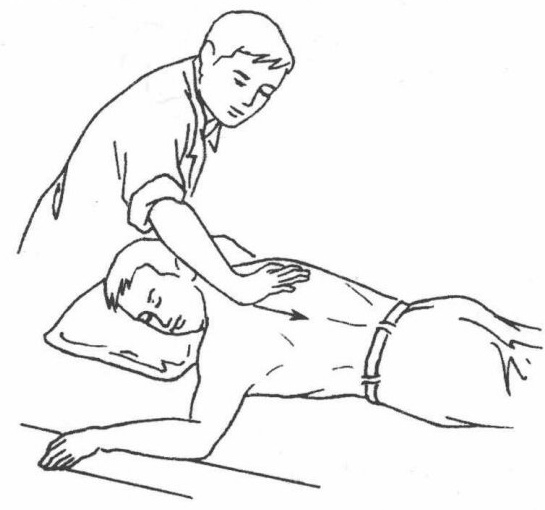
Figure 1-17 Forward Thenar Pushing (Zhang Gen Shun Tui Fa)
Pushing from the distal end to the proximal end of the limb, or from the lower part upwards, is Reverse Thenar Pushing (Zhang Gen Ni Tui Fa) (Figure 1-18).
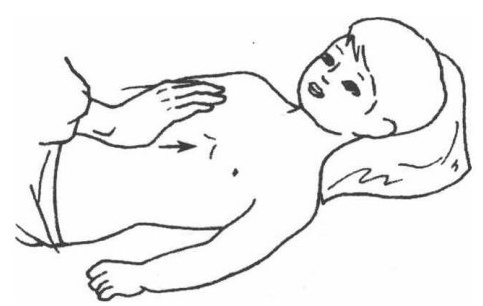
Figure 1-18 Reverse Thenar Pushing (Zhang Gen Ni Tui Fa)
Applicable Areas
Commonly used on the chest, abdomen, scapulae, lumbodorsal region and lower limbs.
Force & Sensation, Therapeutic Effects
Similar to Flat-Palm Pushing (Ping Zhang Tui Fa). It has a larger contact area and allows for stronger force application.
TCM Terminology Disclaimer:All traditional Chinese medicine (TCM) terms, descriptions, and wellness expressions including but not limited to nourishing lungs, soothing throat discomfort, supporting respiratory comfort, clearing mild internal heat, balancing qi and blood, harmonizing bodily functions, and regulating general wellness featured on this website are traditional TCM cultural descriptions and historical wellness theories only. These phrases are used solely for traditional TCM knowledge sharing and cultural interpretation. They do not constitute medical efficacy claims, have not been evaluated by the FDA, and are not intended to diagnose, treat, cure, or prevent any disease. All TCM wording describes traditional auxiliary wellness conditioning effects only and should never be interpreted as clinical medical treatment results. Individuals with confirmed illnesses must seek professional medical diagnosis and follow standard Western medical treatment.
FDA Mandatory Disclaimer:These statements have not been evaluated by the Food and Drug Administration. Chinese herbal dietary supplements and traditional wellness practices are not intended to diagnose, treat, cure or prevent any disease and serve only as daily auxiliary health support. If you have been diagnosed with any illness, please seek professional medical care and follow standard Western medical treatment regimens.