Acupuncture
Diagnosis and Acupuncture Treatment
acupuncture for optic atrophy
TCM stroke treatment
Inner Ear Vertigo
Hysteria
Epilepsy

Thunder God Vine

Tripterygium is a commonly used medicinal herb for dispelling wind and damp-heat; it is the dried root bark of Tripterygium wilfordii Hook. f., a plant belonging to the genus Tripterygium in the family Celastraceae. It has the effects of dispelling wind and dampness, promoting blood circulation and unblocking meridians, and reducing swelling and relieving pain. It is primarily used to treat rheumatic pain, joint stiffness, difficulty in flexing and extending joints, pain in the lower back and knees, and itchy skin.

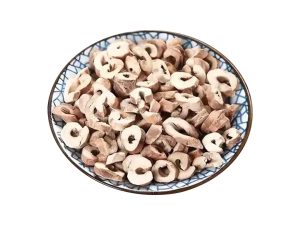
Hawksbill

Hawksbill Tortoise Shell, a name in traditional Chinese medicine. It refers to the carapace of the hawksbill tortoise (Eretmochelys imbricata L.), a species of the genus Eretmochelys in the family Cheloniidae. It has the effects of clearing heat and detoxifying, as well as calming the heart and regulating the liver. It is used to treat fever-induced delirium, rambling speech, infantile convulsions, and abscesses, swellings, and toxic sores.

Tianhuafen

Tianhuafen is the name of a traditional Chinese medicine. It consists of the dried roots of Trichosanthes kirilowii Maxim. or Trichosanthes rosthornii Harms, plants belonging to the genus Trichosanthes in the Cucurbitaceae family. It has the effects of clearing heat and reducing fire, promoting fluid production to quench thirst, and reducing swelling and draining pus.It is primarily used to treat feverish conditions with restlessness and thirst, dry cough due to lung heat, diabetes caused by internal heat, and swollen, toxic sores.

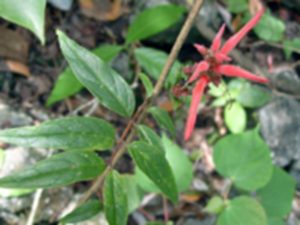
Large-leaved Blue-scented Wood

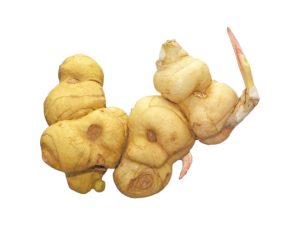
Large-leaved Aristolochia, a name in traditional Chinese medicine.It is the tuberous root of Aristolochia austroszechuanica Chien et C.Y. Cheng ex C.Y. Cheng et J.L. Wu, a plant of the Aristolochiaceae family. It is distributed in Hubei, southern Sichuan, and northern Guizhou. It has the therapeutic effects of regulating qi, relieving pain, draining pus, and detoxifying. It is commonly used to treat qi stagnation with epigastric and abdominal distension and pain, rheumatic joint pain, osteoarticular tuberculosis, and venomous snake bites.

Acupuncture for Inner Ear Vertigo: Key Acupoints and Treatment

Inner ear vertigo, also known as Meniere’s wellness, is primarily manifested as a clinical syndrome characterized by episodic vertigo, tinnitus, hearing loss, and a feeling of fullness in the head. The etiology of this wellness remains unclear, but it may be related to autonomic nervous dysfunction caused by fatigue, emotional excitement, mental frustration, etc. In … Read more
Acupuncture and Suggestion Therapy for Hysteria Treatment

Hysteria is a clinically common condition caused by mental stimulation, resulting in temporary dysfunction of the cerebral cortex. Various mental traumas are the primary causes of onset. The onset of the condition in patients mostly depends on long-term personality traits, manifesting as unstable temperament, high suggestibility, and a rich tendency toward fantasy. Since childhood, they … Read more

Acupuncture for Epilepsy: Three Acupoint Groups for Seizure Control

Epilepsy is a group of chronic conditions characterized by recurrent episodes with impaired consciousness. Epilepsy can be classified into two major categories: primary and secondary: 1.Primary Also known as functional, concealed, or idiopathic; the etiology remains unclear and may be associated with genetic factors. The incidence ratio between individuals with a family history of epilepsy … Read more

Periodic Paralysis: Types, Diagnosis, and Acupuncture Treatment

Periodic paralysis refers to a group of disorders characterized by recurrent episodes of flaccid skeletal muscle paralysis. Based on the serum potassium level at the time of onset, it is classified into three types: hypokalemic, hyperkalemic, and normokalemic periodic paralysis. 【Diagnostic Key Points】 The clinical manifestations of the three types are as follows: 1. Hypokalemia … Read more

Myasthenia Gravis: Autoimmune Triggers, Fatigue, and Acupuncture Relief

Myasthenia Gravis is a chronic autoimmune disease caused by a disorder of acetylcholine transmission at the neuromuscular junction. The exact etiology remains unclear, and most scholars consider it an autoimmune disease. The majority of patients present with thymic abnormalities, such as thymoma or thymic hyperplasia. The thymus is a vital organ regulating immune function, maintaining … Read more

Cardiac Neurosis: Acupuncture, Symptoms, and Psychological Care

Cardiac neurosis is a condition in the cardiovascular system characterized mainly by dysfunction of the small vessel system, potentially accompanied by other symptoms of neurosis, without evidence of organic heart disease. The cardiovascular system is regulated by the nervous and endocrine systems, with the nervous system playing a dominant role. Higher nerve centers control and … Read more

Polyneuritis: Causes, Bilateral Symptoms, and Acupuncture Treatment

Polyneuritis is a group of extensive peripheral nerve diseases with a relatively complex etiology, primarily characterized by the simultaneous involvement of the distal parts of both limbs. It is also known as a peripheral neuropathy. Neuritis or peripheral neuritis. The causes are numerous; the common ones include: 1. Poisoning: Such as heavy metal poisoning from … Read more

Common Peroneal Nerve Palsy: Causes, Symptoms & Acupuncture Treatment

The common peroneal nerve is a major branch of the lower portion of the sciatic nerve. It divides into the deep peroneal nerve, superficial peroneal nerve, and cutaneous branches. Paralysis of this nerve presents with the classic symptom of foot drop. Primary causes include compression—such as prolonged squatting at work, sitting with legs crossed for … Read more

Tibial Nerve Injury: Causes, Symptoms, and Acupuncture Treatment Options

The tibial nerve is a branch of the sciatic nerve. Its motor fibers innervate the muscles of the posterior leg and the sole of the foot, enabling plantar flexion of the foot and toes; its sensory fibers distribute to the sole of the foot and the lateral aspect of the dorsum of the foot. When … Read more

Sciatica: Causes, Symptoms, Acupuncture & Exercise Relief

Sciatica refers to pain occurring along the pathway and distribution area of the sciatic nerve. It is one of the common disorders of the peripheral nerves, and is more frequently seen in males and young to middle-aged adults. The sciatic nerve is the longest and thickest peripheral nerve in the human body, composed of motor, … Read more