
Poria is the name of a traditional Chinese medicine. It is the dried sclerotium of Poria cocos (Schw.) Wolf, a fungus belonging to the genus Poria in the family Polyporaceae. The variety produced in Yunnan is called “Yunling” and is considered to be of superior quality. It has the effects of promoting diuresis, draining dampness, strengthening the spleen, and calming the heart. It is primarily used to treat edema, phlegm-fluid retention, spleen-deficiency diarrhea, palpitations, and insomnia.
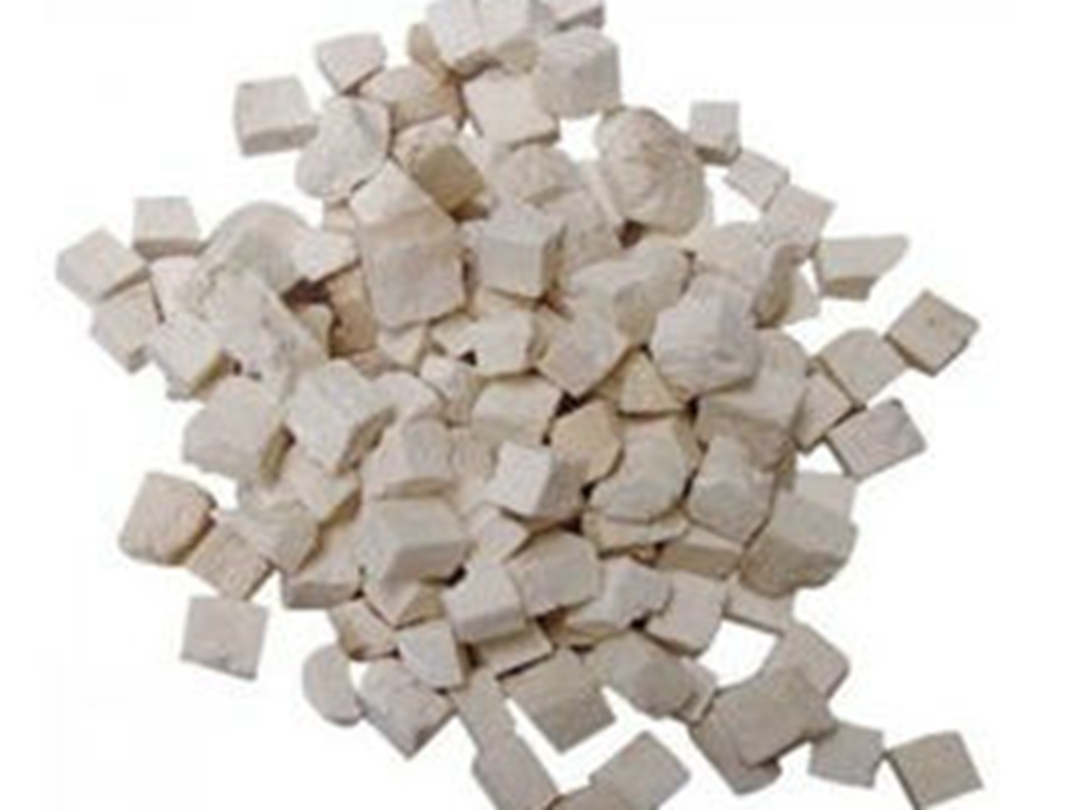
Poria
Poria is the name of a traditional Chinese medicine. It is the dried sclerotium of Poria cocos (Schw.) Wolf, a fungus belonging to the genus Poria in the family Polyporaceae. The variety produced in Yunnan is called “Yunling” and is considered to be of superior quality. It has the effects of promoting diuresis, draining dampness, strengthening the spleen, and calming the heart. It is primarily used to treat edema, phlegm-fluid retention, spleen-deficiency diarrhea, palpitations, and insomnia.
Chinese Name : 茯苓
Latin Name : Poria
Aliases : Futu, Songyu, Bushimian, Songshu, Songling, Songmushu
Nature, Flavor & Meridian Tropism : Taste: sweet and bland; nature: neutral; enters the Heart, Lung, Spleen, and Kidney meridians
Benefits & Efficacy
Benefits
Promotes diuresis and drains dampness; strengthens the spleen; calms the heart.
Indications
Mainly used for edema, phlegm-fluid retention, spleen-deficiency diarrhea, palpitations, insomnia, etc.
Usage and Dosage
Internal use: Decocted as a soup, 10–15 g; or incorporated into pills or powders. Mix with cinnabar to calm the heart and soothe the spirit.
Precautions
Use with caution in cases of yin deficiency without damp-heat, deficiency-cold with seminal emission, or qi deficiency with sinking.
Chemical Constituents
This product contains β-Poria polysaccharides, accounting for approximately 93% of the dry weight, as well as poric acid, poric acid, poric acid, ergosterol, protein, fat, lecithin, adenine, etc.
Pharmacological Actions
1. Effects on the Digestive System: Poria has a direct relaxing effect on isolated rabbit intestinal segments. It inhibits gastric ulcers induced by pyloric ligation in rats and reduces gastric juice secretion and free acid content. Poria exerts a protective effect against carbon tetrachloride-induced liver damage in rats, significantly reducing alanine transaminase (ALT) activity and preventing hepatocyte necrosis. 2. Effects on the Cardiovascular System: In vitro studies show that aqueous, ethanol, and ether extracts of Poria cocos enhance myocardial contractility and increase heart rate in experimental animals. Poria cocos extract inhibits capillary permeability and increases Rb uptake in mouse myocardium. 3. Effects on the Central Nervous System: Intraperitoneal injection of a decoction of Poria cocos significantly reduces spontaneous activity in mice and counteracts the excessive excitability induced by caffeine. Intraperitoneal injection of a Poria decoction in mice exhibits a marked synergistic effect with the anesthetic action of pentobarbital sodium. Poria cocos enhances the central inhibitory effect of thiopental sodium in mice. 4. Effects on the Urinary System: The ethanol extract of Poria has a marked diuretic effect. 5. Effects on Immune Function: Oral administration of a decoction containing Poria (in a formula with Codonopsis and Atractylodes macrocephala) significantly increases the rate of spontaneous rose bengal formation and the phytohemagglutinin-induced lymphocyte transformation rate, and also significantly increases serum IgG levels. This indicates that it promotes both cellular and humoral immunity. 6. Other Effects: Poria also possesses hypoglycemic, antitumor, antimicrobial, and hematopoietic-promoting properties.
Relevant Discussions
1. *Shennong Bencao Jing*: “It treats counterflow qi in the chest and flanks, anxiety, anger, fright, evil influences, palpitations, knotted pain beneath the heart, fever and chills, restlessness and fullness, coughing and retching, a parched mouth and dry tongue, and promotes urination. Long-term use calms the soul, nourishes the spirit, suppresses hunger, and prolongs life.”
2. *Medical Treatises of the Shibuzhai*: “Poria alone serves as the primary herb for treating phlegm. The root of phlegm is water, and Poria can promote the flow of water. The movement of phlegm stems from dampness, and Poria can also dispel dampness.”
3. *Treatise on the Nature of Medicinal Substances*: “It stimulates the appetite, stops vomiting and retching, and is excellent for calming the mind and spirit. It is primarily used for lung atrophy with phlegm congestion. It treats childhood convulsions and epilepsy, distension and fullness in the chest and abdomen, and heat-induced dysuria in women.”
4. *Rihua Zi Bencao*: “It replenishes the five types of exhaustion and the seven types of injury, stabilizes the fetus, warms the lower back and knees, opens the heart and enhances intelligence, and alleviates forgetfulness.”
Applications
Clinical Applications
1. To treat edema and difficulty urinating caused by internal retention of water and dampness, it is often combined with Alisma, Poria, Atractylodes, and Cinnamomum twig, as in the Five Poria Decoction (Treatise on Cold Damage).
2. To treat edema due to spleen-kidney yang deficiency, it may be combined with Aconite and Fresh Ginger, as in the Zhenwu Decoction (*Treatise on Cold Damage*).
3. To treat edema caused by the mutual entanglement of water and heat, or by yin deficiency with difficulty urinating, it is combined with Talc, Donkey-hide Gelatin, and Alisma, as in the Poria Decoction (*Treatise on Cold Damage*).
4. To treat dizziness and palpitations caused by phlegm-fluid retention, it is combined with Cinnamomum cassia, Atractylodes macrocephala, and Glycyrrhiza uralensis, as in Linggui Zhugan Decoction (*Essentials of the Golden Cabinet*); if fluid retention in the stomach causes vomiting, it is often combined with Pinellia ternata and Zingiber officinale, as in Minor Pinellia with Poria Decoction (*Essentials of the Golden Cabinet*).
5. To treat diarrhea caused by spleen deficiency with excessive dampness, it is combined with Shan Yao, Bai Zhu, and Yiyi Ren, as in the Shen Ling Bai Zhu San (Formulas of the Bureau of Harmonious Preparations).
6. To treat spleen-stomach deficiency manifested as lethargy, fatigue, poor appetite, and loose stools, it is combined with Ren Shen, Bai Zhu, and Gan Cao, as in the Si Junzi Decoction (Formulas of the Bureau of Harmonious Preparations).
7. To treat palpitations, insomnia, and forgetfulness caused by deficiency of both the heart and spleen, as well as insufficiency of qi and blood, it is often combined with Astragalus, Angelica sinensis, and Polygala tenuifolia, as in the Gui-Pi Decoction (*Jisheng Fang*).
8. To treat heart qi deficiency, inability to contain the spirit, and restlessness due to fright and anxiety, it is combined with Ginseng, Dragon’s Tooth, and Polygala tenuifolia, as in the An Shen Ding Zhi Pills (*Yixue Xinwu*).
Related Compatibility
1. Poria Combined with Alisma: Poria has a neutral nature; it tonifies without being overly potent and drains without being harsh, capable of both strengthening the body’s vital energy and expelling pathogenic factors. Alisma has a cold nature and functions to promote diuresis, drain dampness, and clear heat; it is particularly effective at purging the “ministerial fire” of the Kidney meridian and draining damp-heat from the bladder.When used together, Alisma, combined with Poria, promotes diuresis without harming the spleen qi; Poria, combined with Alisma, has its diuretic and dampness-removing effects greatly enhanced. This combination is suitable for all conditions involving the retention of water and dampness, such as edema, turbid urine, difficulty urinating, and diarrhea.
2.Poria combined with Porphyra: Poria is both tonifying and draining, capable of both tonifying and purging; Porphyra is more potent than Poria in draining water and dampness but lacks tonifying effects. When these two herbs are used in combination, their ability to drain water and remove dampness is greatly enhanced. Furthermore, they possess the characteristic of draining without harming the body’s vital energy. This combination is suitable for conditions caused by internal retention of water and dampness, such as oliguria with edema, loose stools, turbid urine, and leukorrhea.
3. Poria combined with Codonopsis: Poria is sweet, bland, and neutral in nature, primarily functioning to promote diuresis and dispel dampness, while also strengthening the spleen and aiding digestion; Codonopsis is sweet and warm, excelling at strengthening the spleen and tonifying qi. When used in combination, their effects in strengthening the spleen and tonifying qi are greatly enhanced. This combination is suitable for conditions such as poor appetite and loose stools due to spleen-stomach deficiency, as well as general fatigue; it is also effective for edema, scanty urination, and diarrhea caused by internal retention of dampness due to spleen deficiency.
4. Poria combined with Astragalus: Poria is sweet and bland, with the ability to strengthen the spleen, promote diuresis, and dispel dampness; Astragalus is sweet and warm, excelling at tonifying qi, raising yang, strengthening the spleen, promoting diuresis, and reducing edema.When used together, these two herbs synergistically enhance their ability to strengthen the spleen, tonify qi, promote diuresis, and reduce swelling. This combination is suitable for conditions such as poor appetite and fatigue due to spleen-stomach qi deficiency, as well as edema, cloudy urine, and increased vaginal discharge caused by spleen deficiency.
5. Poria combined with Ziziphus Seed: Poria excels at tonifying the heart and spleen while calming the mind; Ziziphus Seed excels at nourishing the liver and calming the mind.When used together, these two herbs have the effects of tonifying the heart and spleen, nourishing blood, and calming the spirit. They are suitable for conditions such as palpitations, insomnia, forgetfulness, and poor appetite resulting from deficiency of both heart and spleen, insufficiency of qi and blood, and inadequate nourishment of the spirit.
6. Poria combined with Atractylodes: Poria excels at draining dampness and benefiting the spleen; Atractylodes excels at strengthening the spleen and drying dampness.When used together, these two herbs work synergistically to dry and drain dampness, thereby eliminating water and dampness and strengthening spleen qi; in turn, the strengthened spleen qi facilitates the proper transport of water and dampness, creating a formula that is both tonifying and draining in a balanced manner. This combination is suitable for conditions arising from spleen deficiency with excessive dampness, such as fatigue in the limbs, epigastric and abdominal distension and fullness, loss of appetite, loose stools, edema, difficulty urinating, and leukorrhea due to spleen deficiency.
7. Poria combined with Pinellia: Pinellia excels at drying dampness and transforming phlegm, harmonizing the stomach and descending counterflow, as well as eliminating fullness and dispersing nodules; Poria excels at strengthening the spleen and draining dampness, and it tonifies without causing greasiness and drains without being harsh, thus both supporting the body’s vital energy and expelling pathogenic factors.When used together, these two herbs address the symptoms by descending rebellious qi and stopping vomiting, while treating the root cause by strengthening the spleen and harmonizing the middle jiao. Together, they achieve the effects of strengthening the spleen, promoting diuresis, drying dampness, transforming phlegm, and harmonizing the stomach to descend rebellious qi. This combination is suitable for conditions such as epigastric fullness, abdominal distension, hiccups, vomiting, loose stools, or cough with excessive phlegm resulting from spleen deficiency with retained dampness and failure of stomach qi to descend.
8. Poria combined with Aconite: Aconite is pungent and hot, excelling at warming the kidneys and assisting yang; Poria is sweet, bland, and neutral, excelling at strengthening the spleen, promoting diuresis, and draining dampness. When used together, they warm the kidneys and the earth element, thereby assisting yang qi, which significantly enhances their effects in strengthening the spleen, promoting diuresis, and draining dampness. This combination is suitable for conditions such as spleen-kidney yang deficiency and internal retention of water and dampness, presenting as edema in the limbs, scanty urination, as well as abdominal pain and loose stools.
Medicinal Identification
1. Poria and Cinnabar-Processed Poria: Raw Poria can promote diuresis, dispel dampness, strengthen the spleen, tonify the middle jiao, calm the heart, and soothe the spirit. It is used to treat edema and distension, phlegm-retention with dizziness and palpitations, heat-induced dysuria, diarrhea, vomiting, palpitations, and insomnia.In contrast, Zhu Fuling—Poria mixed with fine cinnabar powder—possesses a stronger ability to calm the heart and soothe the spirit, and is frequently used for conditions caused by restlessness of the mind, such as insomnia, palpitations, and forgetfulness.
2. Poria Skin, Red Poria, White Poria, Poria Sclerotium, and Poria Sclerotium Wood: Depending on the part of the Poria sclerotium used, its effects vary. The blackish-brown outer skin of the sclerotium is used medicinally as Poria Skin; its nature and taste are the same as those of Poria.is most effective at acting on the exterior, excreting edema from the skin and promoting the flow of fluids through the skin; its primary functions are promoting diuresis and reducing swelling, and it is frequently used clinically for skin edema; the reddish portion beneath the outer layer is used medicinally as Red Poria (Chí Fúling), which primarily affects the Blood level and excels at clearing and draining damp-heat; the white portion inside the sclerotium is used medicinally as White Poria (Bái Fúling), which primarily affects the Qi level and excels at strengthening the spleen and draining dampness.White Poria and Red Poria are fundamentally similar in nature, taste, meridian tropism, and therapeutic effects; both can be used for conditions such as difficulty urinating, edema and distension, phlegm-retention with cough and wheezing, vomiting, nausea, and diarrhea, seminal emission, turbid urine, palpitations, and forgetfulness.However, White Poria tends to be more tonifying, while Red Poria tends to be more draining. For tonifying the spleen and nourishing the heart, White Poria is preferable; whereas for promoting urination and specifically eliminating damp-heat, Red Poria is superior to White Poria.The white portion of the Poria sclerotium that contains pine roots is used medicinally as “Fushen,” also known as “Baomu Shen.” Its nature, taste, and effects are identical to those of Poria; its primary strength lies in calming the heart and soothing the spirit. It is frequently used to treat heart deficiency with palpitations, forgetfulness, insomnia, and epilepsy;The pine root portion within the sclerotium is known as “Fushenmu” in medicine. It has a sweet and neutral nature and excels at calming the liver and soothing the spirit. It is used to treat palpitations, forgetfulness, aphasia following a stroke, and leg cramps caused by beriberi, and is most suitable for conditions involving heat in the liver meridian or internal liver wind.
Related Medicines
Linggui Kezhuanning Capsules, Pediatric Diarrhea-Relieving and Calming Granules, Huaji Oral Solution
Related Prescriptions
Wuling Powder (*Treatise on Cold Damage*), Linggui Shugan Decoction (*Essentials of the Golden Cabinet*), Shenling Baizhu Powder (*Formulas of the Bureau of Harmonious Preparations*), and Guipi Decoction (*Essentials of the Correct Constitution*).
Medicinal Diet Therapy
Poria, Red Adzuki Bean, and Job’s Tears Porridge:
1. Effects: Promotes diuresis and drains dampness; strengthens the spleen and tonifies the middle jiao; and stops diarrhea.
2. Ingredients: 20 g Poria cocos powder, 50 g adzuki beans, 10 g coix seeds.
3. Preparation: First, soak the adzuki beans for half a day, then boil them with the coix seeds to make porridge. Once the adzuki beans are thoroughly cooked, add the Poria cocos powder and continue boiling until the porridge is ready.
4. Usage: Add a small amount of white sugar and consume as desired.
Notes
Patients requiring treatment with traditional Chinese medicine should first consult a licensed TCM hospital, where a TCM practitioner will conduct a professional diagnosis and prescribe the appropriate herbal formula.
Processing & Preparation
Harvesting & Processing
It is typically harvested between July and September. After digging it up, remove any mud and sand; pile it up to induce “sweating,” then spread it out to air-dry until the surface is dry. Repeat this “sweating” process several times until wrinkles appear and most of the internal moisture has been lost, then shade-dry it. This product is known as “Poria Slices.”To prepare, soak until softened, steam briefly, slice immediately, and sun-dry; or cut fresh Poria into sections based on different parts, air-dry, and use raw.
Processing Methods
1. Poria: Take the raw material, separate by size, soak, wash, moisten thoroughly, steam briefly, then cut into thick slices or chunks while still hot, and dry.
2. Cinnabar-treated Poria: Take Poria slices and mix thoroughly with a measured amount of fine cinnabar powder. Use 2 kg of cinnabar per 100 kg of Poria.
Storage Methods
Store in a dry container in a cool, dry place.
Crude Drug Identification
Identification
1. The powder of this product is grayish-white. Irregular granular and branched lumps are colorless and gradually dissolve upon contact with water-chloroform solution. Mycelia are colorless or pale brown, slender, slightly curved, and branched, with a diameter of 3–8 μm; a few may reach 16 μm.
2. Take a small amount of the powdered sample and add 1 drop of potassium iodide iodine solution; a deep red color develops.
3. Take 1 g of the powdered sample, add 50 mL of diethyl ether, sonicate for 10 minutes, filter, and evaporate the filtrate to dryness. Dissolve the residue in 1 mL of methanol to prepare the test solution. Separately, take 1 g of Poria cocos reference material and prepare the reference solution using the same method.Test by thin-layer chromatography (General Chapter 0502): Pipette 2 μL of each of the two solutions and apply them separately onto the same silica gel G plate. Develop with a mobile phase of toluene–ethyl acetate–formic acid (20:5:0.5), remove the plate, and allow it to air-dry.spray with a mixture of 2% vanillin sulfuric acid solution and ethanol (4:1), and heat at 105°C until the spots become clearly visible. In the chromatogram of the test sample, main spots of the same color appear at positions corresponding to those in the reference material chromatogram.
Properties of Crude Drugs
Whole Poria cocos appears as round, oval, flattened-round, or irregular lumps of varying sizes. The outer skin is thin, brownish-black or dark brown, rough, with wrinkles and constrictions, and sometimes partially peeled off. The texture is firm; the broken surface is granular, pale red near the edges, with fine honeycomb-like pores; the interior is white, with a few pale red areas.Some contain pine roots embedded in the center, commonly known as “Fushen blocks.” It has a faint odor, a bland taste, and sticks to the teeth when chewed. The best quality is characterized by heavy weight, firm texture, a brownish-red outer skin with fine texture, no cracks, a white and fine-grained fracture surface, and a strong tendency to stick to the teeth.
Properties of Processed Slices
1. Poria: Irregular thick slices or chunks of varying sizes, with a white, pale red, or pale brown surface. Heavy, firm in texture, with a granular cross-section. Odorless, bland in taste, and sticky to the teeth when chewed.
2. Vermilion Poria: Resembles Poria slices, with a vermilion-red surface.
Botanical Information
Botanical Classification
It is Poria, a fungus belonging to the genus Poria in the family Polyporaceae.
Morphological Characteristics
The sclerotium is spherical, ovoid, elliptical, or irregular in shape, ranging from 10 to 30 cm in length or longer, with varying weights, typically between 500 and 5,000 g.The outer surface is covered by a thick, deeply wrinkled rind that is dark brown; it is soft when fresh but hardens upon drying. The interior is white or pale pink and powdery. The fruiting body grows on the surface of the sclerotium; it is completely flat, 3–8 cm thick, white, and fleshy, turning light brown when mature or dried.The gills are dense, 2–3 mm long, with thin walls; the pore openings are round, polygonal, or irregular in shape, 0.5–1.5 cm in diameter, and the margins are often fissured into teeth. Spores are rectangular to nearly cylindrical, smooth, with an oblique apex, measuring (7.5–9) μm × (3–3.5) μm.
Distribution Area
It is distributed in Jilin, Zhejiang, Anhui, Fujian, Henan, Hubei, Guangxi, Sichuan, Guizhou, Yunnan, and Taiwan.
Growth Habits
Poria is a facultative parasite that grows wild in the rhizosphere of tree species such as Pinus massoniana, Pinus hwangshanensis, Pinus koraiensis, Pinus yunnanensis, and Pinus thunbergii on dry, sun-facing slopes in mountainous areas at elevations of 600–1,000 m.Spores germinate at 22–28°C; hyphae grow at 18–35°C, with rapid growth occurring at 25–30°C; fruiting bodies differentiate and grow at 18–26°C and produce spores. It grows best in mountainous sandy soil with a log moisture content of 50–60%, soil moisture content of 20%, a pH of 3–7, and a slope of 10°–35°.Conditions with a large diurnal temperature range are conducive to the growth of Poria cocos.
Propagation Methods
Poria can be cultivated on logs, tree stumps, and pine needles, but log cultivation remains the predominant method today.
Cultivation Techniques
Select middle-aged pine trees with a diameter of 10–45 cm. After felling, make alternating vertical cuts 3 cm wide at 3–7 cm intervals, penetrating 0.5 cm into the wood—a process known as “peeling the bark while leaving the sapwood intact.” When the cut surface of the pine log stops exuding resin and produces a hollow sound when tapped, saw the log into segments 65–85 cm long. Place these segments in a well-ventilated, sunny location,and stacked in a “well” pattern for later use. Select a gentle slope that is sheltered from the wind, sunny, and has slightly acidic, sandy soil. Dig pits 90 cm in diameter and 50–65 cm deep, with a vertical spacing of 33 cm and horizontal spacing of 17 cm between pits, and dig drainage ditches around the perimeter.Take 3–5 wood segments of varying thicknesses and layer them in the pit. The inoculum, also known as the starter, comes in three types: mycelium starter, flesh starter, and wood starter; mycelium starter is most commonly used today. Isolate a pure strain from the sclerotium tissue using PDA medium. For the cultivation medium, use 76% pine sawdust, 22% wheat bran,1% each of gypsum and sucrose, with a moisture content of 65%. This is placed in wide-mouth bottles, sterilized, and inoculated with the pure strain. It is then cultured for half a month at 25–28°C, after which the bottles are inverted and cultured for another half month at 22–24°C to produce the mycelium starter.For the “flesh starter,” fresh sclerotia are harvested and used as the starter within half a month before inoculation. For the “wood starter,” two months before inoculation, select log sections with a diameter of 4–10 cm and knot-free tips; saw them into 50-cm-long segments. Stack five segments in a pile in two layers, attach 250 g of fresh sclerotia to the bark side of each segment, cover with 3 cm of soil, and after about 60 days, the mycelium will have fully colonized the logs.Inoculation takes place in early spring (March–April). When using mycelium starters, select a sunny day to sharpen the ends of the thin wood segments from the pit and insert them into the cultivation bottles; place the thicker wood segments against the sides of the bottles and cover with 3 cm of soil. When inoculating with flesh starters, use a knife to split the Poria sclerotium open, pressing the flesh side against the upper cross-section or side of the log substrate, with the skin facing outward.Wooden inoculation sticks can be sawed into 5–6 cm lengths and placed against the upper cross-section of the log, or the sticks can be cut into two or three sections and inserted into the middle of the log.