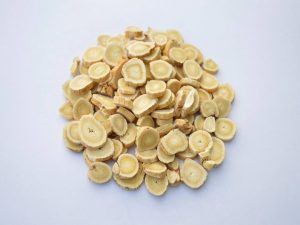
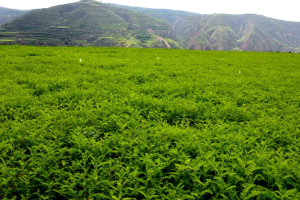
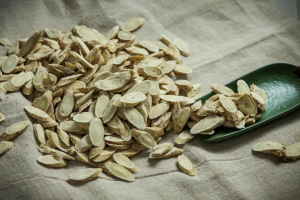
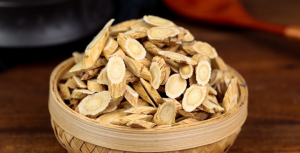
Astragalus root shows promise for reducing hot flashes and other menopausal symptoms through its adaptogenic and hormone-balancing properties.
Introduction
Hot flashes are one of the most common and distressing symptoms of menopause, affecting approximately 75% of women during the menopausal transition. While hormone replacement therapy (HRT) remains a standard treatment, many women seek natural alternatives due to safety concerns. Astragalus root (Astragalus membranaceus) has emerged as a promising botanical option for managing hot flashes and other menopausal discomforts.
How Astragalus Root May Help with Hot Flashes
Astragalus root has been used in Traditional Chinese Medicine (TCM) for over 2,000 years as a Qi-tonifying herb. Modern research suggests it may help alleviate menopausal symptoms through several mechanisms:
Hormonal Modulation. Studies indicate that Astragalus may influence estrogenic pathways, offering a plant-based approach to hormone balance. The isoflavones found in Astragalus root can bind to estrogen receptors, potentially providing mild estrogenic effects without the risks associated with synthetic hormones.
Stress Reduction. Stress is a known trigger for hot flashes in perimenopausal women. As an adaptogenic herb, Astragalus helps the body manage stress by modulating the hypothalamic-pituitary-adrenal (HPA) axis. Lower cortisol levels may translate to fewer and less severe hot flash episodes.
Immune and Vitality Support. Menopause often brings fatigue and immune changes. Astragalus supports overall vitality and immune function, helping women feel more resilient during this transitional period.
Clinical Evidence
While the current body of evidence for Astragalus in directly treating menopausal symptoms like hot flashes is still developing, early research is encouraging. One study found that a combination of Astragalus and Dong Quai (Dang Gui Buxue Tang) taken at 3-6 grams daily reduced hot flashes in menopausal women. Additionally, clinical trials have shown significant reduction in hot flashes with plant-derived estrogen receptor-beta selective extracts containing Astragalus.
How to Use Astragalus Root for Hot Flashes
| Form | Typical Dosage | Considerations |
|---|---|---|
| Dried root decoction | 3-6g daily | Traditional preparation |
| Capsules/extract | 500-1000mg daily | Standardized to astragalosides |
| Tea | 1-2 cups daily | Gentle, ongoing support |
| Combination formulas | As directed | Often paired with Dong Quai |
Safety and Precautions
Astragalus is generally well-tolerated with few side effects. However, certain individuals should exercise caution:
- Those with autoimmune conditions should consult a healthcare provider before use
- Pregnant or nursing women should avoid use due to limited safety data
- Individuals on immunosuppressant medications should seek medical advice
FAQ: Astragalus Root for Hot Flashes
Q: How long does it take for astragalus root to work for hot flashes?
A: Most users report noticing improvements within 2-4 weeks of consistent use, though individual response times vary.
Q: Can astragalus root replace hormone replacement therapy?
A: Astragalus should be viewed as a complementary approach rather than a replacement for HRT. Always consult your healthcare provider before making changes to menopausal management.
Q: Is astragalus root effective for night sweats too?
A: Yes, the same mechanisms that help with hot flashes often help reduce night sweats, as both are related to menopausal hormone fluctuations.
Q: What is the best form of astragalus for menopause symptoms?
A: Standardized extracts or combination formulas with Dong Quai have shown the most promise in research settings.
Q: Can I take astragalus root with other menopause supplements?
A: Generally yes, but consult a healthcare provider to avoid potential interactions, especially with black cohosh or soy isoflavones.
Summary
Astragalus root offers a natural, well-tolerated option for women seeking relief from hot flashes and other menopausal symptoms. While more large-scale clinical trials are needed, the existing evidence and centuries of traditional use support its role in menopausal wellness.