
The gut serves as your largest immune organ. Disruption to intestinal lining, persistent gut inflammation, and unbalanced gut flora can trigger digestive discomfort, low energy, and worsened systemic immune reactivity. Astragalus root has emerged as a valuable complementary herb for long-term gastrointestinal support. It does not act as a fast-acting digestive remedy for acute stomach upset. Instead, it nurtures gut structure, moderates inflammation, and shapes a healthier gut microbiome over consistent use.
Important upfront note: Astragalus is holistic supportive care. It cannot replace medical treatment for diagnosed gastrointestinal disorders such as IBD, SIBO, or severe chronic gut disease. Seek professional guidance for persistent digestive symptoms.
Traditional TCM Perspective
From a Traditional Chinese Medicine viewpoint, digestion is governed by the Spleen. Spleen Qi deficiency commonly leads to bloating, loose stools, poor nutrient absorption, low energy, and weakened defensive immunity.
Astragalus excels at tonifying Spleen Qi. When Spleen function strengthens, food and fluids are transformed efficiently, damp stagnation within the digestive tract eases, and gut-related fatigue improves.
Scientific Mechanisms: How Astragalus Benefits Gut Health
1. Strengthens the Intestinal Barrier (Leaky Gut Support)
Astragalus polysaccharides upregulate tight junction proteins within intestinal epithelial cells. This reinforces the gut lining, limiting undigested food particles, bacteria, and toxins from leaking into the bloodstream — a key driver of inflammation and immune sensitivities.
2. Modulates Gut Microbiome Balance
Astragalus acts as a prebiotic. Its polysaccharide compounds feed beneficial commensal bacteria, encouraging the growth of favorable strains while restraining overgrowth of unwanted microbes, supporting balanced gut ecology.
3. Reduces Chronic Intestinal Inflammation
Low-grade gut inflammation damages digestion and disrupts barrier integrity. Astragalosides and polysaccharides suppress pro-inflammatory cytokines in the gastrointestinal tract, easing persistent inflammatory stress.
4. Improves Nutrient Absorption
Weak Spleen Qi and damaged intestinal linings hinder vitamin and mineral uptake. With consistent use, astragalus supports epithelial tissue repair, boosting the gut’s ability to extract nutrients from meals.
5. Links Gut Health and Systemic Immunity
Over 70% of immune tissue resides in the gut. By stabilizing the intestinal environment, astragalus indirectly enhances whole-body immune resilience, creating a positive feedback loop between digestion and immunity.
Signs You May Benefit From Astragalus for Gut Support
- Frequent post-meal bloating, sluggish digestion
- Loose stools or inconsistent bowel movements linked to low energy
- Suspected intestinal permeability (leaky gut)
- Persistent mild inflammation triggered by food sensitivities
- Fatigue that worsens after eating
- Recurrent infections tied to compromised gut immunity
Critical Safety Guidelines
- Avoid use during acute gastrointestinal flare-ups with severe cramping, acute diarrhea or active gut inflammation spikes.
- If you have diagnosed inflammatory bowel disease, consult your gastroenterologist before long-term supplementation.
- Cyclic usage protocol: Take daily for 6–8 weeks, followed by a one-week rest interval.
- Digestive improvements develop gradually; allow several weeks of consistent intake to observe changes.
- Pair herbal support with a nutrient-dense, low-irritant diet for optimal gut recovery outcomes.
How to Use Astragalus Root for Gut Wellness
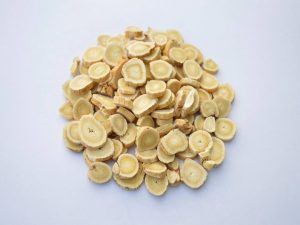
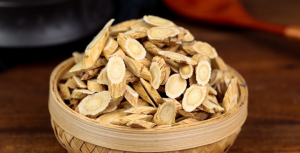
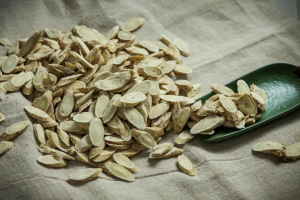
Slow-decocted astragalus tea: Simmer dried astragalus slices for 20–30 minutes. Gentle, sustained support ideal for daily Spleen tonification.
Standardized extracts with verified astragalus polysaccharide content deliver consistent dosing.
Synergistic herbal pairings for gut health: astragalus + licorice root, astragalus + codonopsis root.
Final Thoughts
Astragalus root gut health support focuses on repairing the intestinal barrier, balancing gut bacteria, and tonifying Spleen function. Rather than temporarily soothing digestive symptoms, it targets foundational gut integrity. Combined with mindful eating and adequate rest, astragalus is a valuable herbal tool for anyone working to restore long-term gastrointestinal balance.
Q1: Can astragalus heal leaky gut on its own?
A: No single herb can reverse intestinal permeability alone. Astragalus strengthens gut tight junctions as part of a holistic protocol combining diet, stress reduction and other supportive nutrients.
Q2: Is astragalus suitable for IBS sufferers?
A: It may offer benefits for IBS linked to Spleen deficiency and low-grade inflammation. Responses vary widely. Begin with low doses and monitor bloating or discomfort; consult a gut specialist first.
Q3: Does astragalus work as a prebiotic?
A: Yes. Astragalus polysaccharides pass through upper digestion to reach the colon, nourishing beneficial gut bacteria and promoting a balanced microbiome.
Q4: When is the best time to take astragalus for digestion?
A: Many herbal protocols recommend consumption between meals. Taking on an empty stomach improves absorption of active compounds for intestinal support.
Q5: Can astragalus help with gut-related fatigue?
A: Yes. Poor nutrient absorption and chronic gut inflammation are major causes of persistent tiredness. By supporting Spleen function and gut barrier health, astragalus can gradually reduce post-meal exhaustion.
Q6: Are there people who should avoid astragalus for gut support?
A: People experiencing acute inflammatory gut flares, those with autoimmune gut conditions, pregnant and breastfeeding individuals should seek professional medical advice before supplementation.
Q7: What is the difference between astragalus and slippery elm for gut health?
A: Slippery elm creates a soothing protective gel to calm irritated gut lining for immediate relief. Astragalus builds long-term gut barrier strength, balances microbiome and tonifies Spleen Qi for lasting digestive resilience.



Great read! I’ve been dealing with stubborn gut issues for years, and it’s refreshing to see herbs like astragalus getting attention for long-term support rather than quick fixes. The connection between gut lining and immune health really resonates. I’m curious if anyone has tried combining it with other adaptogens or probiotics? Would love to hear real experiences before I try it myself.
Interesting read! I’ve been dealing with occasional bloating and low energy for a while, and my naturopath actually suggested astragalus root as part of a longer-term gut protocol. It’s reassuring to see it highlighted as a supportive herb rather than a quick fix. Curious if anyone else has
Interesting read! I’ve been dealing with leaky gut symptoms for years, and it’s refreshing to see astragalus highlighted for long-term support rather than a quick fix. Most people overlook how gut health ties into immunity. I might add this to my rotation alongside bone broth. Thanks for breaking it down so clearly!