Insulin resistance occurs when body cells lose responsiveness to insulin. The pancreas must produce extra insulin to regulate blood glucose. Over time, this metabolic imbalance raises risks of elevated blood sugar, prediabetes, type 2 diabetes, weight management challenges, and metabolic syndrome.
Important disclaimer: Astragalus root is complementary metabolic support, not a replacement for diabetes medication, dietary adjustment, or doctor-monitored blood sugar management. It cannot reverse advanced insulin resistance on its own but helps optimize underlying metabolic function alongside lifestyle changes.
TCM Perspective on Insulin Resistance
In Traditional Chinese Medicine, insulin resistance often correlates with Spleen Qi deficiency, accompanied by stagnation of dampness and blood stasis. A weakened Spleen struggles to transform food into usable energy, leading to accumulated dampness, sluggish metabolism, and disrupted sugar processing.
Astragalus strongly tonifies Spleen Qi. By strengthening the Spleen’s transformative function, it helps the body process nutrients more efficiently and ease metabolic stagnation.
Scientific Mechanisms: How Astragalus Supports Insulin Sensitivity
1. Enhances Insulin Signaling
Astragalus polysaccharides and astragalosides improve insulin signal transduction inside cells. This enables cells to respond better to circulating insulin and increase glucose uptake from the bloodstream.
2. Reduces Chronic Low-Grade Inflammation
Persistent systemic inflammation is a major driver of insulin resistance. Astragalus modulates inflammatory cytokines that interfere with insulin function, lowering inflammatory burden to restore metabolic sensitivity.
3. Supports Healthy Pancreatic Function
Research indicates astragalus helps protect pancreatic beta cells, the cells responsible for insulin production, supporting steady, sustainable insulin secretion.
4. Improves Antioxidant Defence
Excess oxidative stress damages metabolic tissues and worsens glucose regulation. Active compounds in astragalus mitigate oxidative damage within liver and muscle tissue, two key sites for blood sugar disposal.
5. Aids Healthy Lipid Profiles
Insulin resistance frequently coincides with unhealthy cholesterol and triglyceride levels. Astragalus supports balanced lipid metabolism, easing overall metabolic strain.
Signs You May Benefit From Astragalus for Metabolic Support
- Clinically identified insulin resistance or prediabetes
- Consistently elevated fasting blood glucose
- Difficulty losing weight despite controlled eating habits
- Persistent fatigue after meals
- Family history of type 2 diabetes
- Abnormal triglyceride or HDL cholesterol readings
Critical Safety Guidelines
- Anyone taking blood glucose-lowering prescription drugs or insulin must consult a healthcare provider before using astragalus. Combined use may amplify glucose-lowering effects and raise hypoglycemia risk.
- Regular blood sugar monitoring remains essential if adding herbal supplementation.
- Cyclic intake protocol: Use daily for 6–8 weeks, then pause for one week.
- Metabolic improvements rely heavily on diet, movement and sleep; herbs work best as part of a complete lifestyle plan.
- Effects develop gradually; consistent long-term use is required to notice sustained metabolic benefits.
How to Use Astragalus Root for Metabolic Health
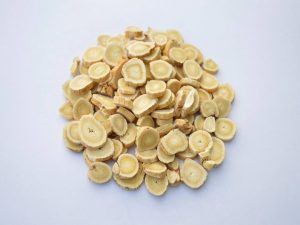
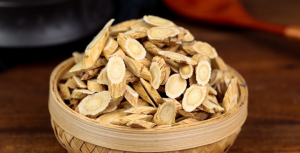
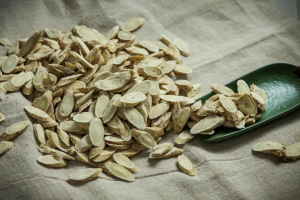
Decocted astragalus root tea: Simmer dried astragalus slices for 20–30 minutes for daily gentle support.
Standardized extracts with quantified astragalus polysaccharides offer consistent dosing.
Common synergistic herbal pairings for glucose metabolism: astragalus + bitter melon, astragalus + cinnamon bark.
Final Thoughts
Astragalus root insulin resistance support focuses on tackling inflammation and improving cellular insulin responsiveness. By tonifying Spleen Qi and modulating key metabolic pathways, astragalus acts as a valuable holistic tool for people managing prediabetes and metabolic imbalance. When combined with regular physical activity, nutrient-dense meals and medical oversight, astragalus supports long-term metabolic wellness.
Q1: Can astragalus cure insulin resistance or type 2 diabetes?
A: No. Astragalus cannot cure these conditions. It supports improved insulin sensitivity as complementary care. It never replaces prescribed medication, diet therapy, or ongoing medical monitoring.
Q2: Will astragalus cause low blood sugar when combined with diabetes medicines?
A: There is a potential risk of hypoglycemia. If you take glucose-lowering medications, speak with your doctor before starting astragalus and increase frequency of blood sugar checks.
Q3: How long does it take astragalus to improve insulin sensitivity?
A: Metabolic changes develop slowly. Many people see favourable shifts in energy and blood sugar patterns after 4–6 weeks of consistent supplementation paired with healthy lifestyle habits.
Q4: Which compounds in astragalus affect glucose regulation?
A: Astragalus polysaccharides are the primary active constituents supporting insulin signaling and glucose uptake. Astragalosides provide additional anti-inflammatory and antioxidant metabolic support.
Q5: Can people with normal blood sugar take astragalus for metabolic prevention?
A: Yes. Those with a family history of diabetes or early metabolic risk factors may use astragalus as long-term preventative metabolic support, following standard cyclic usage guidelines.
Q6: Should astragalus be taken before or after meals for blood sugar support?
A: Most herbal protocols recommend consumption between meals. Avoid large doses immediately after heavy carbohydrate meals. Individual response varies, so observe personal energy and glucose patterns.
Q7: Can astragalus help reduce cravings linked to insulin resistance?
A: By stabilizing energy metabolism and reducing post-meal fatigue, many users experience fewer sudden sugar cravings. However, it is not a direct appetite suppressant.