
Purple Wisteria Root is the name of a traditional Chinese medicinal herb. It is the root of Berchemia kulingensis Schneid., a plant in the Rhamnaceae family. It is found in Zhejiang, Jiangxi, Anhui, and other regions. It has the effects of dispelling wind and draining dampness, as well as unblocking meridians and promoting blood circulation. It is primarily used to treat rheumatic pain, osteomyelitis, chronic eczema, and malnutrition in children.
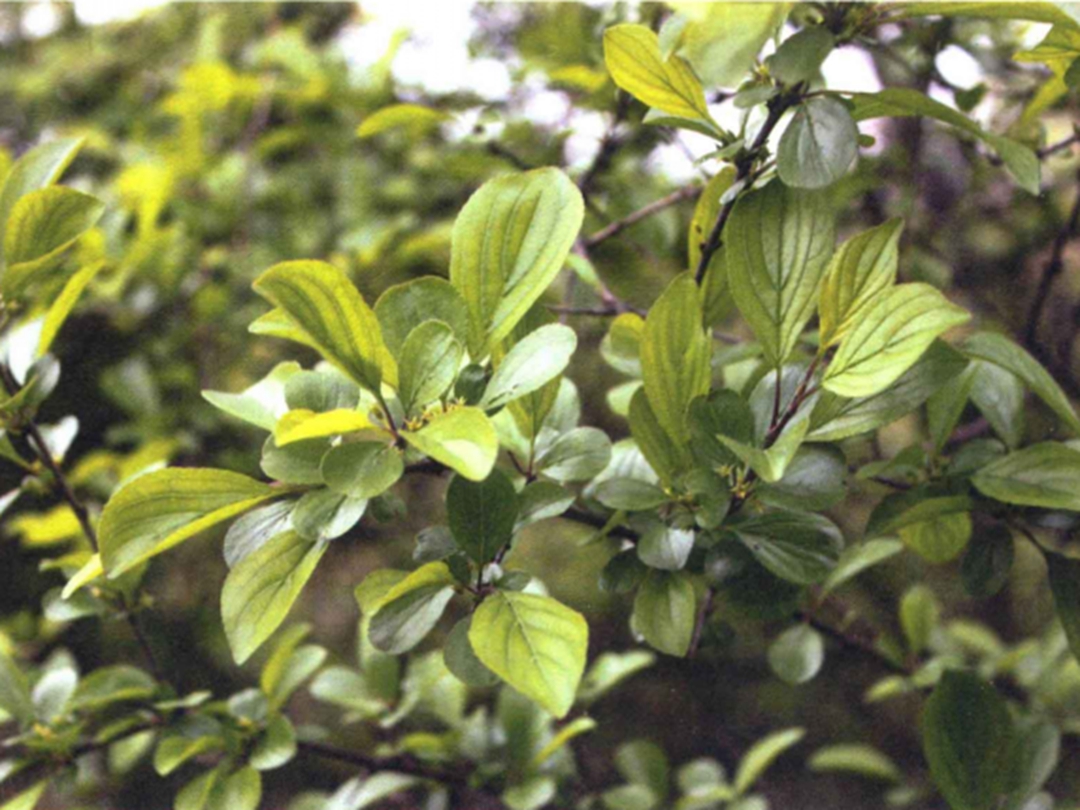
Purple Wisteria Root
Purple Wisteria Root is the name of a traditional Chinese medicinal herb. It is the root of Berchemia kulingensis Schneid., a plant in the Rhamnaceae family. It is found in Zhejiang, Jiangxi, Anhui, and other regions. It has the effects of dispelling wind and draining dampness, as well as unblocking meridians and promoting blood circulation. It is primarily used to treat rheumatic pain, osteomyelitis, chronic eczema, and malnutrition in children.
Chinese Name : 紫青藤根
Aliases : Green Vine, Painted-Brow Vine, Iron Bone Powder, Evergreen Vine, Mountain Astragalus, Small-Leaf Green
Nature, Flavor & Meridian Tropism : Slightly astringent in taste, warm in nature
Benefits & Efficacy
Benefits
Dispels wind and drains dampness; unblocks meridians and promotes blood circulation.
Indications
Rheumatic arthralgia, osteomyelitis, chronic eczema, and malnutrition in children.
Usage and Dosage
Internal use: Decoct 15–30 g.
Precautions
Patients requiring treatment with Chinese herbal medicine should first consult a licensed Traditional Chinese Medicine (TCM) hospital, where a TCM practitioner will conduct a professional pattern differentiation and prescribe an herbal formula.
Relevant Discussions
1. *Flora of Tianmu Mountain, Zhejiang*: “Treats joint aches and pains, malnutrition in children, and amenorrhea in women.”
2. Jinhua *Compilation of Common Chinese Herbal Monotherapies and Proven Formulas*: “Dispels wind and drains dampness; unblocks tendons and promotes blood circulation. Treats rheumatic arthralgia, osteomyelitis, chronic eczema, and malnutrition in children.”
Applications
Clinical Applications
For treating malnutrition in children: Equal parts of Polygonum cuspidatum root and Cynanchum atratum root. Decoct in water, then add red dates and rock sugar and simmer before consumption. (*Flora of Tianmu Mountain, Zhejiang*)
Notes
References: [1] Jiangsu New Medical College. *Encyclopedia of Traditional Chinese Medicine* [M]. Shanghai: Shanghai Science and Technology Press, 2004: 2370. [2] Xu Jun. *Illustrated Atlas of Traditional Chinese Medicine (Color Edition)* [M]. Beijing: Ancient Chinese Medicine Classics Press, 2003: 607.
Processing & Preparation
Harvesting & Processing
Can be harvested year-round.
Crude Drug Identification
Botanical Information
Botanical Classification
Guling Gou’ercha, a plant of the Rhamnaceae family.
Morphological Characteristics
A deciduous, twining shrub, approximately 3 m tall. Simple leaves are alternate, ovate to broadly lanceolate, 2.5–5 cm long and 1.2–2.5 cm wide, with an acute apex bearing a small tip, a rounded or nearly cordate base, entire margins or wavy teeth on the anterior half, glabrous on both surfaces, and 7–10 pairs of lateral veins;petioles 6–9 mm long; 1 pair of stipules; flowers greenish, arranged in narrow panicles at the tips of lateral branches; calyx 5-lobed, lobes ovate, with very fine marginal hairs; petals 5, obovate, smaller than the sepals; stamens 5; ovary 2-chambered, style stout and short, bifurcated.The drupe is oblong, 7–8 mm long, purplish-black, and enclosed at the base by the persistent calyx. Flowering occurs in summer and fall. The fruit matures one year later.
Distribution Area
Distributed in Zhejiang, Jiangxi, Anhui, and other areas.