
Chuanwu Honey Decoction,From *Proven Tea, Decoction, and Soup Recipes for Common Ailments*,Dispels wind and cold; transforms dampness and unblocks the meridians. Suitable for wind-cold type rheumatoid arthritis, characterized by cold, painful, and swollen joints that feel cold to the touch, restricted joint movement, symptoms worsened by cold and alleviated by warmth, a pale tongue with a white coating, and a taut and tight pulse.
Chuanwu Honey Decoction
Herbal Tea Name: Chuanwu Honey Decoction
Chinese Name: 川乌蜜饮
Formula
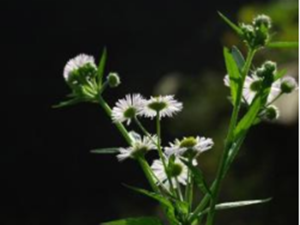
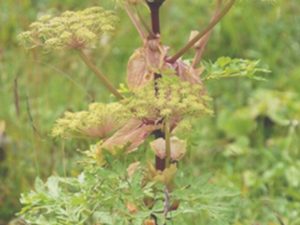
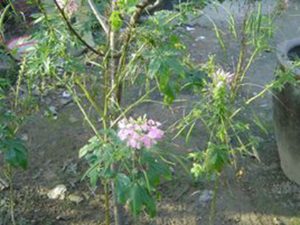
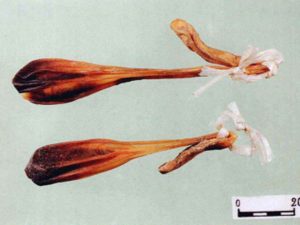
5 grams of processed Sichuan Aconite, 10 grams of ginger, and 30 grams of honey.Main Ingredients
How To Make
Wash the processed Sichuan Aconite and ginger, slice them separately, place them in a clay pot, add water, and simmer for 2 hours. Strain out the solids, collect the liquid, and reduce it to 300 milliliters. While still warm, add honey and stir until well blended.
Efficacy
Dispels wind and cold; transforms dampness and unblocks the meridians. Suitable for wind-cold type rheumatoid arthritis, characterized by cold, painful, and swollen joints that feel cold to the touch, restricted joint movement, symptoms worsened by cold and alleviated by warmth, a pale tongue with a white coating, and a taut and tight pulse.
Usage
Take in divided doses in the morning and evening.
Commentary
Taking processed Sichuan Aconite (Zhi Fu-zi) as the leading herb, the formula draws on its pungent, sweet flavor and hot property: it travels through the Heart, Kidney, Spleen meridians and works to warmly tonifies yang, rescues collapse and disperse cold and dampness. Ginger (Sheng-jiang) joins as the supporting deputy; warm and pungent in character, it travels through the Lung, Spleen, Stomach meridians to disperse cold, relieve cough and harmonize the stomach. Honey (Feng-mi) rounds out the formula as the envoy herb, working to moisten the lung and harmonize the formula and moderate the overall properties. The overall effect is to dispel wind and cold, transforms dampness and unblock the meridians, restoring balance within the wind-cold and cold framework.