
Saponaria, Ophiopogon, and Almond Decoction,From *Proven Tea, Decoction, and Soup Recipes for Common Ailments*,Moistens the lungs, clears dryness, quenches thirst, and promotes fluid production. Suitable for patients with lung dryness and yin deficiency during the recovery phase of pneumonia.
📖 Related Reading
- ▸ 3 Chinese Herbal Teas for Manual Laborers to Boost Energy July 3, 2026
- ▸ 9 TCM Herbal Teas to Support Harmonized Weight Balance June 28, 2026
- ▸ 3 Chinese Herbal Teas for Darkening Beard and Hair July 3, 2026
- ▸ 4 Chinese Herbal Teas to Enhance Memory and Brain Function July 3, 2026
- ▸ 8 TCM Infusions for Restful Night Wellness June 28, 2026
- ▸ 6 Traditional Chinese Herbal Teas for Summer Heat in Children June 30, 2026
- ▸ 10 Herbal Teas for Oral Ulcers Based on TCM Types June 30, 2026
- ▸ four types Health-preserving teas for blood deficiency constitutions July 2, 2026
- ▸ 9 Herbal Teas for Treating Acute Tonsillitis Naturally June 30, 2026
- ▸ 12 TCM Herbal Infusion Blends for Balanced Bowel Wellness June 27, 2026
Commentary
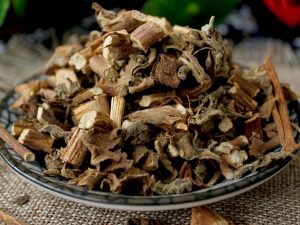
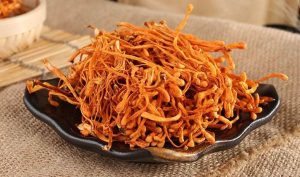
Saponaria root functions as the chief herb. Slightly bitter-cold in property, it channels into the Lung, Stomach meridians, and works to clear heat, resolve phlegm and relieve cough. Ophiopogon tuber (Mai-dong) takes the deputy (minister) role, sweet, slightly bitter-slightly cold in property, acting through the Stomach, Lung, Heart meridians to nourish yin, moisten the lung, generate fluids and calm the heart. Almonds (Xing-ren) reinforce this deputy action, working to descend lung qi and relieve cough and wheezing. Honey (Feng-mi) acts as the coordinating (envoy) herb, working to moisten the lung and harmonize the formula and unite the separate actions into one. United, the ingredients moisten the lungs, clear dryness, quenches thirst, promote fluid production, addressing the root disturbance of the yin deficiency and yin pattern.