Bamboo-joint Ginseng, a name in traditional Chinese medicine. It is the dried rhizome of Panarja ponicus C.A. Mey., a plant in the Araliaceae family. It is harvested in the fall, with the main root and outer bark removed, and then dried. It has the effects of dispersing blood stasis and stopping bleeding, reducing swelling and relieving pain, eliminating phlegm and suppressing cough, and tonifying deficiency and strengthening the body.It is commonly used for consumptive cough with hemoptysis, injuries from falls or blows, cough with excessive phlegm, and post-illness debility.
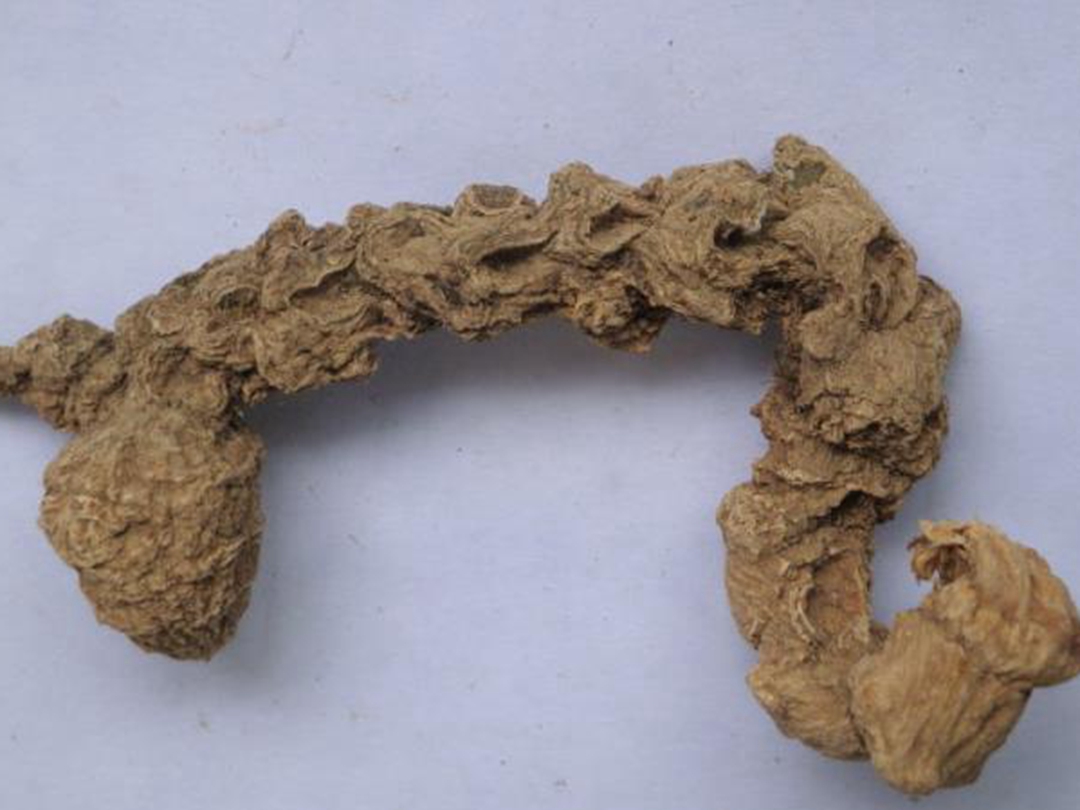
Bamboo-joint Ginseng
Bamboo-joint Ginseng, a name in traditional Chinese medicine. It is the dried rhizome of Panarja ponicus C.A. Mey., a plant in the Araliaceae family. It is harvested in the fall, with the main root and outer bark removed, and then dried. It has the effects of dispersing blood stasis and stopping bleeding, reducing swelling and relieving pain, eliminating phlegm and suppressing cough, and tonifying deficiency and strengthening the body.It is commonly used for consumptive cough with hemoptysis, injuries from falls or blows, cough with excessive phlegm, and post-illness debility.
Chinese Name : 竹节参
Aliases : White Notoginseng, Mingqi, Qiyezhi
Nature, Flavor & Meridian Tropism : Sweet and slightly bitter in taste; warm in nature; enters the Liver, Spleen, and Lung meridians
Benefits & Efficacy
Benefits
Dispels blood stasis and stops bleeding; reduces swelling and relieves pain; eliminates phlegm and suppresses cough; tonifies deficiency and strengthens the body.
Indications
Used for consumptive cough with hemoptysis, trauma from falls or blows, cough with excessive phlegm, and post-illness debility.
Usage and Dosage
6–9 g.
Precautions
Not yet established.
Applications
Clinical Applications
1. Consumption: 9 g of Bamboo-Joint Ginseng, 9 g of Codonopsis, 6 g of Angelica sinensis. Decoct in water and take orally. (*Hunan Materia Medica*)
2. Consumption-related cough: 15 g of Bamboo-Joint Ginseng. Decoct in water and drink as tea. (*Guizhou Folk Medicines*)
3. Hemoptysis: 9 g of Bamboo-Joint Ginseng, 6 g of Ophiopogon tuber, and 9 g of Silky Hairroot. Decoct in water and take orally. (*Hunan Materia Medica*)
4. Menorrhagia, functional uterine bleeding: Grind Bamboo-Joint Ginseng into powder; take 1.5–3 g per dose. Decoct in water and take orally. (*Hubei Materia Medica*)
Processing & Preparation
Processing Methods
Crush before use.
Storage Methods
Store in a well-ventilated, dry place to prevent insect infestation.
Crude Drug Identification
Properties of Crude Drugs
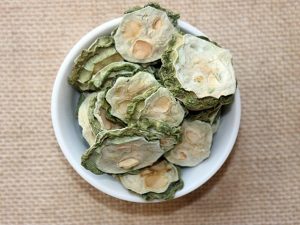
This product is slightly cylindrical, somewhat curved, and some specimens have fleshy lateral roots. It measures 5–22 cm in length and 0.8–2.5 cm in diameter. The surface is yellow or yellowish-brown, rough, with dense longitudinal wrinkles and root scars.Nodes are distinct; internodes are 0.8–2 cm long, with one depressed stem scar on each node. The texture is hard; the cross-section is yellowish-white to pale yellowish-brown, with yellow, dot-like vascular bundles arranged in a ring. It has a faint odor and a bitter taste followed by a slight sweetness.
Botanical Information
Botanical Classification
Araliaceae, Panax genus, Bamboo-joint Ginseng.
Distribution Area
It is primarily produced in Yunnan, Sichuan, Guizhou, and other areas. It is distributed throughout the southwestern region, and is also found in Shaanxi, Gansu, and Henan.