Alpine Goat Does Not Eat, a name in traditional Chinese medicine. It refers to the rhizomes and roots of Corydalis esquirolii Levl., a plant in the genus Corydalis of the Papaveraceae family.It is distributed in Sichuan and other regions. It has the therapeutic effects of clearing damp-heat, relieving pain, and eliminating rheumatism. It is used for chest and stomach pain, heat-related disorders of the Gallbladder Meridian, rheumatic arthralgia, heatstroke-induced headaches, abdominal pain, dysuria, and hemoptysis due to pulmonary tuberculosis; externally, it is used for suppurative otitis media, rectal prolapse, abscesses and swellings, and venomous snake bites.
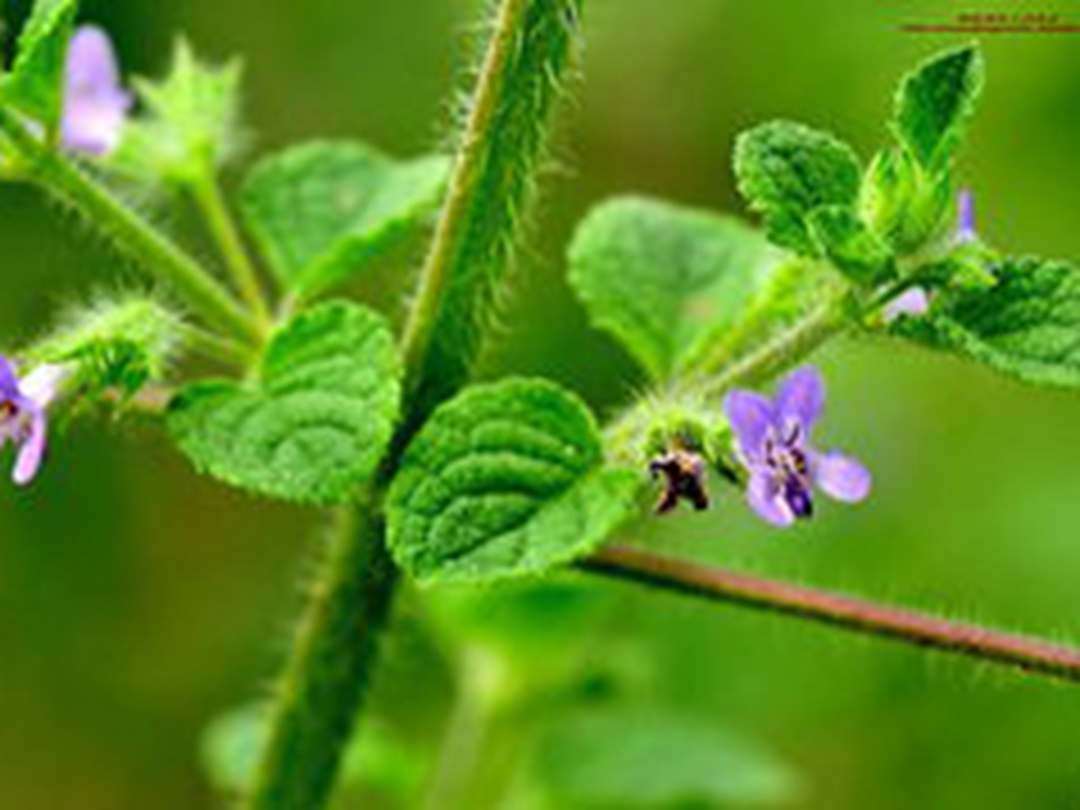
High-altitude sheep do not eat it
Alpine Goat Does Not Eat, a name in traditional Chinese medicine. It refers to the rhizomes and roots of Corydalis esquirolii Levl., a plant in the genus Corydalis of the Papaveraceae family.It is distributed in Sichuan and other regions. It has the therapeutic effects of clearing damp-heat, relieving pain, and eliminating rheumatism. It is used for chest and stomach pain, heat-related disorders of the Gallbladder Meridian, rheumatic arthralgia, heatstroke-induced headaches, abdominal pain, dysuria, and hemoptysis due to pulmonary tuberculosis; externally, it is used for suppurative otitis media, rectal prolapse, abscesses and swellings, and venomous snake bites.
Chinese Name : 高山羊不吃
Aliases : Mountain Fragrance, Mountain Fragrance Root, Old Dragon Grass, Broken-Intestine Grass
Nature, Flavor & Meridian Tropism : Bitter, slightly cold
Benefits & Efficacy
Benefits
Clears damp-heat, relieves pain, and dispels rheumatism.
Indications
Used for chest and epigastric pain, heat-related disorders of the Gallbladder Meridian, rheumatic arthralgia, heatstroke-induced headache, abdominal pain, dysuria, and hemoptysis due to pulmonary tuberculosis; externally applied for suppurative otitis media, rectal prolapse, abscesses and swellings caused by toxins, and venomous snake bites, among others.
Usage and Dosage
3–6 g.
Pharmacological Actions
1. Analgesic effect. 2. Toxicity: Shanshang alkaloid B is toxic.
Applications
Processing & Preparation
Harvesting & Processing
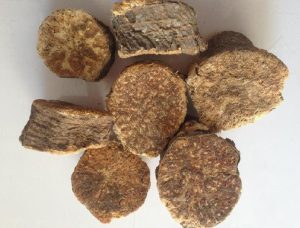
Harvest the rhizomes and roots in summer and fall; wash them thoroughly and use them fresh or after sun-drying.
Crude Drug Identification
Botanical Information
Botanical Classification
Alpine Viola (Viola alpina), a member of the Viola genus in the Papaveraceae family.
Morphological Characteristics
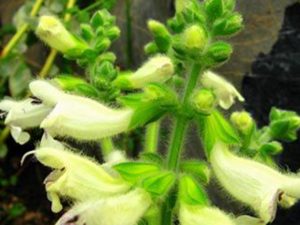
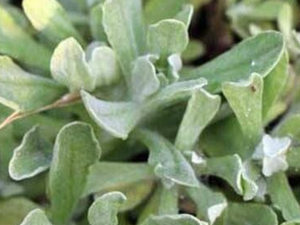
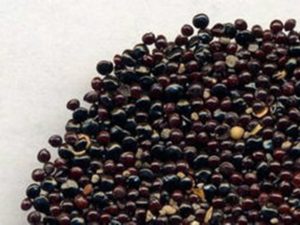
A perennial herb, 50–100 cm tall. The rhizome is relatively thick, with a yellow cross-section. The stem is erect or slightly inclined toward the top and is covered with soft hairs. The leaves are once- to thrice-pinnately compound and alternate; basal leaves have long petioles; leaflets are papery, obovate or ovate, 3-lobed or pinnately lobed, with the margins of the apical lobe bearing large, rounded teeth or deeply lobed; the upper surface is green, and the lower surface is gray-green or greenish-white.Flowers in summer; racemes terminal or arising from the axils of the upper leaves; bracts lanceolate; sepals flattened-elliptic, turning purple when dry, with irregular deep lobes at the upper part; corolla reddish-purple or blue, with four symmetrical petals, the upper petals forming a spur at the base; six stamens;1 pistil; the ovary is superior and unilocular; the style is slender and long; the stigma is bifid. The capsule is oblong-elliptic, dehiscent into two valves, with the style persistent. The seeds are minute, nearly round, black, and glossy.
Distribution Area
Found in Sichuan and other regions.