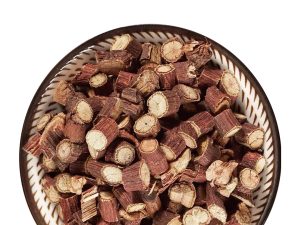
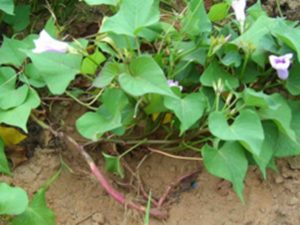
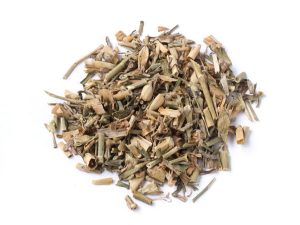
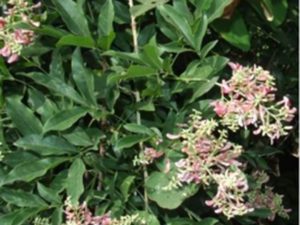
Sha Yuanzi is the name of a traditional Chinese medicine. It consists of the dried, mature seeds of Astragalus complanatus R.Br., a plant in the genus Astragalus of the Fabaceae family. It has the effects of tonifying the kidneys and consolidating essence, consolidating essence and reducing urination, and nourishing the liver and improving vision. It is primarily used to treat kidney deficiency-induced low back pain, nocturnal emission and premature ejaculation, enuresis and frequent urination, leukorrhea, dizziness, and blurred vision.

Sha Yuanzi
Sha Yuanzi is the name of a traditional Chinese medicine. It consists of the dried, mature seeds of Astragalus complanatus R.Br., a plant in the genus Astragalus of the Fabaceae family. It has the effects of tonifying the kidneys and consolidating essence, consolidating essence and reducing urination, and nourishing the liver and improving vision. It is primarily used to treat kidney deficiency-induced low back pain, nocturnal emission and premature ejaculation, enuresis and frequent urination, leukorrhea, dizziness, and blurred vision.
Chinese Name : 沙苑子
Latin Name : Astragali Complanati Semen
Aliases : White Tribulus, Sha Yuan Tribulus, Sha Yuan Tribulus Seeds, Tong Tribulus, Sha Tribulus, Summer Yellow Grass
Authentic Producing Area : Mainly produced in Shaanxi.
Nature, Flavor & Meridian Tropism : Sweet in taste, warm in nature; enters the Liver and Kidney meridians
Benefits & Efficacy
Benefits
Tonifies the kidneys and consolidates essence; consolidates essence and reduces urination; nourishes the liver and improves vision.
Indications
Used for lower back pain due to kidney deficiency, nocturnal emission, premature ejaculation, enuresis, frequent urination, white, turbid vaginal discharge, dizziness, and blurred vision.
Usage and Dosage
Decoct and take 9–15 g. It is often used raw to nourish the liver and improve vision; it is often stir-fried to tonify the kidneys, secure essence, reduce urination, and stop seminal emission.
Precautions
1. Astragali Complanati Semen is warm in nature. It should not be taken in large doses or for prolonged periods as a single herb in cases of exogenous febrile diseases, intense internal heat, yin deficiency with excessive fire, or blood deficiency with blood heat. 2. Astragali Complanati Semen lowers blood pressure; patients with hypotension should not take it in large doses or for prolonged periods. 3. Astragali Complanati Semen significantly inhibits platelet aggregation; patients with hemorrhagic disorders or a tendency to bleed should not take it in large doses or for prolonged periods. 4. Sha Yuanzi has uterine-contracting effects; pregnant women should not take it in large doses over a long period. 5. Sha Yuanzi should not be used in combination with antihypertensive drugs such as Lisheping or Jiangxueling, as this may cause orthostatic hypotension and other adverse effects. 6. Sha Yuanzi should not be used in combination with antipyretic, analgesic, or anti-inflammatory drugs, as this may exacerbate or even worsen gastrointestinal ulcers.
Chemical Constituents
This product contains amino acids, peptides, proteins, phenols, tannins, sterols, triterpenes, alkaloids, and flavonoids.
Pharmacological Actions
This product has anti-liver damage, anti-lung damage, sex hormone-like, anti-aging, immune-boosting, antitumor, anti-inflammatory and analgesic, as well as blood pressure-lowering and lipid-lowering effects.
Relevant Discussions
1. *Compendium of Materia Medica*: “It tonifies the kidneys, treats lower back pain and seminal emission, and addresses deficiency-related fatigue and exhaustion.” “Ancient formulas for tonifying the kidneys and dispelling wind all used *Ci Jili*. In later generations, *Sha Yuan Jili* was often used to tonify the kidneys, or it was boiled into a paste and mixed with other medicines; it is feared that its efficacy may not differ significantly.”
2. *Hui Yan of Materia Medica*: “It is a herb that tonifies the kidneys and retains semen. Its fragrance is fresh and pleasant; it nourishes the liver and improves vision, moistens the pupils, and its black color resembles that of the kidneys. It can tonify the kidneys, secure semen, strengthen yang, and promote fertility. It is neither harsh nor drying, and also stops frequent urination and dribbling; it is a mild, harmonious, and moisturizing agent.”
Applications
Clinical Applications
1. Used for kidney deficiency-induced low back pain, impotence, nocturnal emission, frequent urination, enuresis, dizziness, tinnitus, and leukorrhea with turbid discharge. To treat kidney deficiency-induced low back pain, it may be combined with Dodder Seed (Tu Si Zi), Eucommia Bark (Du Zhong), and Dogspine (Gou Ji) to enhance the tonifying effect on the liver and kidneys;To treat seminal emission, frequent urination, enuresis, and leukorrhea caused by kidney deficiency with cold and dampness, it is combined with Euryale Seed, Lotus Stamen, and Dragon Bone to tonify the kidneys, secure essence, reduce urination, and stop leukorrhea, as in the “Golden Lock Essence-Securing Pills” from *Collected Explanations of Medical Formulas*; for kidney deficiency-induced nocturnal emissions, seminal leakage, erectile dysfunction, and infertility, it may be combined with Fish Bladder Gelatin to tonify the kidneys and nourish essence, as in the “Essence-Gathering Pills” from *The Standard Rules for Diagnosis and Treatment*.
2. For blurred vision, Sha Yuanzi nourishes the liver and improves eyesight; it can be combined with ingredients that tonify the liver and kidneys, such as Goji berries (Gouqizi), Ligustrum berries (Nuzhenzi), and Dodder seeds (Tusizi). To treat age-related cataracts, it can be combined with Night-Bright Sand (Yemingsha) and Ligustrum berries (Nuzhenzi) to improve vision and dispel opacities.
Related Compatibility
1. Sha Yuanzi Combined with Euryale Seed: Sha Yuanzi is sweet and warm in nature, excelling at tonifying the liver and kidneys, consolidating essence, and reducing urination; Euryale Seed is sweet and astringent, excelling at tonifying the kidneys, consolidating essence, strengthening the spleen, and dispelling dampness. When combined, these two herbs enhance the effects of tonifying the kidneys, strengthening the spleen, consolidating essence, and reducing urination. This combination is suitable for conditions such as kidney deficiency with seminal emission, frequent urination, and enuresis.
2. Sha Yuanzi Combined with Tu Si Zi: Sha Yuanzi excels at tonifying the kidneys, consolidating essence, nourishing the liver, and improving eyesight; Tu Si Zi excels at tonifying yang, nourishing yin, improving eyesight, and nourishing the liver. When combined, these two herbs enhance the effects of tonifying the kidneys, consolidating essence, improving eyesight, and nourishing the liver. This combination is suitable for conditions such as blurred vision and decreased visual acuity caused by deficiency of the liver and kidneys and inadequate nourishment of the eyes.
3. Sha Yuanzi Combined with Du Zhong: Sha Yuanzi excels at tonifying the kidneys, consolidating essence, nourishing the liver, and improving vision; Du Zhong excels at tonifying the liver and kidneys, and strengthening tendons and bones. When combined, these two herbs enhance the effects of tonifying the liver and kidneys and strengthening tendons and bones. This combination is suitable for conditions such as lower back pain due to kidney deficiency and weakness and soreness in the lower limbs.
4. Sha Yuanzi Combined with Jue Mingzi: Sha Yuanzi is sweet and warm, excelling at nourishing the liver and improving eyesight; Jue Mingzi is sweet and bitter, excelling at clearing the liver and improving eyesight. When combined, these two herbs enhance the effect of improving eyesight. This combination is suitable for conditions such as liver and kidney deficiency, blurred vision, and red, swollen, or painful eyes.
5. Sha Yuanzi combined with Goji Berries (Gouqizi): Sha Yuanzi excels at tonifying the kidneys, consolidating essence, nourishing the liver, and improving vision; Goji Berries excel at tonifying kidney essence, nourishing the liver, and improving vision. When combined, these two herbs enhance the effects of tonifying the kidneys, consolidating essence, nourishing the liver, and improving vision. This combination is suitable for conditions such as blurred vision caused by liver and kidney deficiency.
6. Sha Yuanzi combined with Shi Changpu: Sha Yuanzi excels at tonifying the kidneys, consolidating essence, nourishing the liver, and improving vision; Shi Changpu excels at opening the orifices, resolving phlegm, revitalizing the mind, and strengthening brain function. When combined, these two herbs enhance the effects of tonifying the kidneys, consolidating essence, nourishing the liver, improving vision, revitalizing the mind, and strengthening brain function. This combination is suitable for conditions such as deafness due to kidney deficiency, blurred vision, palpitations, and insomnia.
7. Shayuanzi Combined with Sangpiao: Shayuanzi excels at tonifying the kidneys, consolidating essence, nourishing the liver, and improving vision; Sangpiao excels at tonifying the kidneys, assisting yang, consolidating essence, and reducing urination. When combined, these two herbs enhance the effects of tonifying the kidneys, assisting yang, consolidating essence, and reducing urination. This combination is suitable for conditions such as frequent urination or urinary incontinence due to kidney deficiency.
Medicinal Identification
1. Dodder Seed and Shayuanzi: Both have a sweet taste and enter the Liver and Kidney meridians. They can tonify the kidneys and support yang, nourish the liver and improve vision, and secure essence while reducing urination. They treat kidney deficiency-induced low back pain, impotence, seminal emission, enuresis, frequent urination, and thin, clear leukorrhea, as well as blurred vision and diminished visual acuity caused by deficiency of the liver and kidneys.However, Dodder Seed (Tu Si Zi) has a pungent and sweet taste with a neutral nature; it is neither drying nor greasy, and also tonifies kidney yin. It is a balanced tonic for both yin and yang and is used to treat thirst due to kidney deficiency. Furthermore, it enters the Spleen meridian, effectively tonifying the spleen and stopping diarrhea, and is used to treat loose stools or diarrhea caused by spleen deficiency. It can also stabilize the fetus and treat fetal restlessness caused by liver and kidney deficiency.Sha Yuanzi has a sweet, warm nature without being drying, and possesses strong astringent properties; therefore, it excels at providing warm tonification and astringency, and is frequently used to treat seminal emission, frequent urination, and thin, clear vaginal discharge caused by kidney yang deficiency.
2. Cassia seeds and Sha Yuanzi: Both herbs enter the Liver and Kidney meridians and have the effect of improving vision. However, cassia seeds are bitter and cold, clearing heat, and sweet and salty, nourishing yin; they can both clear Liver fire and nourish Kidney yin, making them an excellent remedy for improving vision. Cassia seeds have a cool and moistening nature and also clear heat, moisten the intestines, and promote bowel movements; they are used to treat internal heat and intestinal dryness, as well as constipation.Shayuanzi tonifies the Liver and Kidney, nourishes essence and the Liver to improve vision; therefore, it is often used to treat Liver and Kidney deficiency—where the eyes lack nourishment—manifesting as dim vision and decreased visual acuity. Shayuanzi is also sweet and warm; it tonifies the Liver and Kidney, consolidates essence, and reduces urination, making it suitable for treating kidney deficiency-induced low back pain, impotence, nocturnal emission, enuresis, frequent urination, and thin, clear vaginal discharge.
3. Shan Yao and Shayuanzi: Both herbs have a sweet taste and enter the Kidney meridian.Both can astringe essence and stop leukorrhea, and are used to treat kidney deficiency-induced seminal emission, leukorrhea, and frequent urination. However, Chinese yam nourishes the kidneys and astringes essence by harmoniously tonifying yin and yang to achieve these effects. It also tonifies qi and nourishes yin, strengthens the lungs, spleen, and kidneys, generates body fluids, and quenches thirst; therefore, it is used to treat spleen deficiency with poor appetite, fatigue, and diarrhea; lung deficiency with chronic cough; yin deficiency with internal heat, thirst, and excessive drinking; and frequent urination.Shayuanzi also tonifies the liver and kidneys, nourishes essence and the liver to improve eyesight; therefore, it is frequently used to treat liver and kidney deficiency—where the eyes lack nourishment—manifesting as dim vision and reduced visual acuity.
4. Duzhong and Shayuanzi: Both herbs are sweet and warm in nature and enter the Liver and Kidney meridians. They have the effects of tonifying the liver and kidneys, as well as supplementing fire and assisting yang; they are used for lower jiao deficiency-cold, kidney deficiency-induced low back pain, instability of the semen gate, nocturnal emissions, and frequent urination.However, Eucommia also strengthens tendons and bones, and stabilizes the menstrual cycle and pregnancy. It is used to treat pain in the lower back and knees, weakness and limpness in the shins; liver and kidney deficiency, instability of the Chong and Ren meridians, bleeding during pregnancy, and fetal restlessness. Shayuanzi also tonifies the liver and kidneys, nourishes essence and the liver to improve eyesight, and is therefore frequently used to treat blurred vision and decreased visual acuity resulting from liver and kidney deficiency and inadequate nourishment of the eyes.
Related Medicines
Yishenling Granules (Capsules), Buyi Jili Pills, Shengli Capsules, Xiaoke Ping Tablets.
Related Prescriptions
Jinsuo Gujing Pills (*Collection of Explanations of Medical Formulas*), Sanzi Dihuang Decoction (*Zhang Jiachun’s Diagnosis and Treatment of Ophthalmic Disorders*).
Medicinal Diet Therapy
Yu Sha Congee:
1. Effects: This formula nourishes kidney yin, tonifies the liver, and improves vision. It is used for blurred vision and emaciation. Yuzhu nourishes yin, generates body fluids, moistens the lungs, and nourishes the kidneys. Shayuanzi tonifies the kidneys, nourishes the liver, and improves vision; both are rich in vitamin A, vegetable oils, and phytoestrogens. Regular consumption can help restore a emaciated body to a healthier, fuller condition.
2. Ingredients: 20g Yuzhu, 20g Sha Yuanzi powder, 50g japonica rice, 10g rock sugar.
3. Preparation: Wash the Yuzhu and slice it thinly. Place it in a pot with the japonica rice and add 500 milliliters of water. Boil until the rice is nearly cooked, then stir in the Sha Yuanzi powder. Continue stirring as you add the powder, and cook until the porridge is done and the broth is thick. Add rock sugar and cook until it dissolves.
4. Usage: Consume in place of morning tea.
Notes
Patients requiring treatment with Chinese herbal medicine should first consult a licensed Traditional Chinese Medicine (TCM) hospital to receive a prescription following a professional TCM differential diagnosis.
Processing & Preparation
Harvesting & Processing
Harvest the fruit in late autumn or early winter before it splits open, or pull it up by the roots; sun-dry it, thresh out the seeds, and remove impurities. Use raw or stir-fried in salt water.
Processing Methods
1. Sha Yuanzi: Take the raw herb, remove impurities, wash thoroughly, and dry. The raw form is more effective for nourishing the liver and improving vision.
2. Roasted Sha Yuanzi: Take clean Sha Yuanzi, lightly roast and grind into a fine powder, or roast over low heat until it turns brownish-black, swells, and emits a fragrant aroma. Roasted Sha Yuanzi has stronger warming and astringent effects.
3. Salted Sha Yuanzi: Take the cleaned Sha Yuanzi, mix thoroughly with salt water, let stand briefly to moisten, then heat over low heat until it turns brownish-yellow, swells, and releases a fragrant aroma; remove and allow to cool. Use 2 kg of table salt per 100 kg of Sha Yuanzi. Salted Sha Yuanzi has a stronger effect in tonifying the kidneys, consolidating essence, and reducing urination.
Storage Methods
Store in a dry container, tightly sealed, in a well-ventilated, dry place.
Crude Drug Identification
Identification
1. The powder of this product is灰白色. In cross-section, the seed coat lattice cells appear as a single row, covered by a cuticle; a lustrous band is present at the 1/5–1/8 point from the outer edge; viewed from the surface, they are polygonal with extremely thick walls, small cell cavities, and fine, dense pores and grooves. Seed coat supporting cells appear as short dumbbell shapes when viewed from the side; when viewed from the surface, they form three concentric rings that are circular or elliptical in shape. Cotyledon cells contain fatty oil.
2. Take 0.2 g of the powdered sample, add 10 mL of methanol, and subject to ultrasonic treatment for 30 minutes. Allow to cool, filter, and evaporate the filtrate to dryness. Dissolve the residue in 2 mL of methanol to prepare the test solution. Separately, take 0.2 g of Shayuanzi reference material and prepare a reference solution using the same method.Next, take a reference standard of Shayuanzi glycoside and dissolve it in 60% ethanol to prepare a solution containing 0.05 mg per mL; use this as the reference standard solution. Perform thin-layer chromatography (General Chapter 0502): pipette 2 μL of each of the three solutions and apply them separately onto the same polyamide membrane. Develop the chromatogram using a mobile phase of ethanol-acetone-acetylacetone-water (3:3:1:13) as the developing agent, develop the plate, remove it, air-dry, spray with aluminum trichloride solution, dry with hot air, and examine under ultraviolet light (365 nm).In the chromatogram of the test sample, fluorescent spots of the same color appear at positions corresponding to those in the chromatograms of the reference herbal material and the reference standard.
Properties of Crude Drugs
This product is slightly kidney-shaped and somewhat flattened, measuring 2–2.5 mm in length, 1.5–2 mm in width, and approximately 1 mm in thickness. The surface is smooth, brownish-green or grayish-brown, with a round seed scar located in a slightly concave area on one side of the margin. It is hard and difficult to break.It has two cotyledons, which are pale yellow; the radicle is curved and approximately 1 mm long. It has a faint odor and a bland taste; when chewed, it has a beany flavor.
Properties of Processed Slices
1. Sha Yuanzi: See “Characteristics of the Medicinal Material.”
2. Roasted Sha Yuanzi: Resembles Sha Yuanzi in shape; the surface is brownish-black, the body is slightly swollen, and it has a faint aroma.
3. Salted Sha Yuanzi: Resembles Sha Yuanzi in shape; the surface is bulging, and the color is dark brownish-green or dark grayish-brown. It has a faint odor, a slightly salty taste, and a bean-like odor when chewed.
Botanical Information
Botanical Classification
A plant of the genus Astragalus in the Fabaceae family, specifically Astragalus planistem.
Morphological Characteristics
A tall, perennial herb with prostrate stems 20–100 cm long. The stems branch primarily from the base, are ribbed, and sparsely covered with coarse, short, stiff hairs.Odd-pinnate compound leaves are alternate, with 9–25 leaflets that are elliptic or obovate-oblong, 5–18 mm long and 3–7 mm wide, with a blunt or slightly notched apex and a rounded base. Axillary racemes bear 3–7 flowers; the calyx is bell-shaped, green, and 5-lobed at the apex, with two small ovate bracts at the base of the calyx tube;The corolla is milky white or purplish-red, papilionaceous; the standard is nearly circular, slightly notched at the apex, and narrowed at the base. The pod is slightly swollen, spindle-shaped, up to 35 mm long and 5–7 mm wide, pointed at both ends, flattened dorsoventrally, sparsely covered with short, coarse, brown, appressed hairs, reticulate, and containing false septa.Seeds number 20–30; they are pale brown, reniform, 1.5–2 mm long, about 1.5 mm wide, and smooth; both surfaces are slightly concave, with a distinct seed scar on one concave side. Flowering period: July–September; fruiting period: August–October.
Distribution Area
Distributed in Liaoning, Jilin, Hebei, Shaanxi, Gansu, Shanxi, Inner Mongolia, and other regions.
Growth Habits
It prefers a warm climate, is cold-tolerant and drought-tolerant, but is sensitive to high temperatures and waterlogging. It is not particular about soil type and can be cultivated in both sandy loam and clay loam. It should not be grown in the same field consecutively; it is best to plant it after a previous crop of the grass family. The thousand-seed weight is 2.3 g.
Propagation Methods
Propagated by seed.
Cultivation Techniques
Sowing can be done in the fall or spring; fall sowing takes place in August, and spring sowing in April–May. For row sowing, create furrows 2 cm deep with a row spacing of 30 cm, scatter the seeds evenly into the furrows, and cover with 0.5–1 cm of soil. The seed rate is 15–22.5 kg per hectare.
Pest and Disease Control
Diseases include powdery mildew; at the onset of infection, spray with a 50% Topsin-M wettable powder solution diluted 800–1,000 times.