White-bracted Ajuga is the name of a traditional Chinese medicinal herb. It is Ajuga pulpinula Maxim. of the Lamiaceae family, and the whole plant is used medicinally. It has the effects of reducing fever, alleviating inflammation, promoting blood circulation, and reducing swelling. It is primarily used to treat consumptive coughs, hemoptysis, abscesses, bruises with blood stasis, facial nerve paralysis, syphilis, and anthrax.

White-bracted Ajuga
White-bracted Ajuga is the name of a traditional Chinese medicinal herb. It is Ajuga pulpinula Maxim. of the Lamiaceae family, and the whole plant is used medicinally. It has the effects of reducing fever, alleviating inflammation, promoting blood circulation, and reducing swelling. It is primarily used to treat consumptive coughs, hemoptysis, abscesses, bruises with blood stasis, facial nerve paralysis, syphilis, and anthrax.
Chinese Name : 白苞筋骨草
Latin Name : Ajugalupulina Maxim.
Aliases : Sweet Grass
Authentic Producing Area : Hebei, Shanxi, Gansu, Qinghai, Sichuan, Tibet
Nature, Flavor & Meridian Tropism : Bitter in taste, cold in nature
Benefits & Efficacy
Benefits
Antipyretic and anti-inflammatory; promotes blood circulation and reduces swelling.
Indications
Tuberculous cough, hemoptysis, abscesses, bruises and blood stasis from falls, facial nerve paralysis, syphilis, and anthrax.
Usage and Dosage
2–4 qian.
Precautions
Use with caution in patients with spleen and stomach deficiency-cold.
Relevant Discussions
1. *Commonly Used Tibetan Herbal Medicines*: Clears heat and detoxifies; promotes diuresis and relieves dysuria; cools the blood and lowers blood pressure. Treats external wind-heat invasion, hypertension, pharyngitis, bronchitis, urinary tract stones, and abscesses and swellings caused by toxins.
2. *Illustrated Compendium of Medicinal Plants of the Qinghai-Tibet Plateau*: Detoxifies. Treats influenza, toxic liver damage, and concurrent liver and stomach disorders.
3. *Manual of High-Altitude Chinese Herbal Medicine*: Reduces fever, fights bacteria, promotes blood circulation, and reduces swelling. Treats bruises with blood stasis, facial paralysis and crooked mouth, cough due to overwork, hemoptysis, abdominal pain, and anthrax.
Applications
Processing & Preparation
Harvesting & Processing
Harvest in June–July; wash thoroughly, remove fibrous roots, and air-dry.
Crude Drug Identification
Botanical Information
Botanical Classification
White-bracted Bone-strengthening Herb (Lamiaceae).
Morphological Characteristics
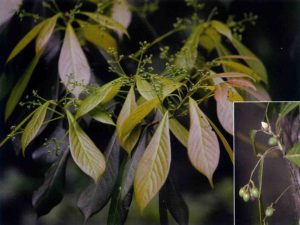
A perennial herb, 4–20 cm tall. The stem is erect, quadrangular, branched at the base, and covered with short soft hairs.Leaves are opposite, elliptic-lanceolate, oblong, or oblanceolate, 2.5–8 cm long, 0.9–3 cm wide, with a rounded or acute apex, a gradually narrowing base, entire margins or irregularly blunt teeth, and pubescent on both surfaces and along the margins.Spike inflorescences 3–11.5 cm long; bracts ovate to elliptic, ca. 3.9 cm long, ca. 2.7 cm wide, apex acuminate; calyx nearly campanulate, 5-lobed, lobes nearly lanceolate.The apex is acuminate, and the margins are pubescent; the corolla is white, bilabiate, with a small, 2-lobed upper lip and a large, 3-lobed lower lip, the central lobe of the lower lip being approximately twice as long as the lateral lobes; the corolla tube is geniculate at the base, approximately 1.2 cm long and 2.3 mm wide, and pubescent;There are 4 stamens, 2 of which are stronger; the upper 2 are as long as the lateral lobes of the corolla, while the lower 2 exceed them in length. They are attached above the middle of the corolla tube and protrude beyond the corolla; the filaments are 5–8 mm long, flattened at the base, and the anthers are T-shaped; there is 1 pistil, with a style approximately 1.8 cm long and a 2-lobed stigma.The nutlet is black, obovate-elliptic, with reticulate wrinkles and fine hairs. The seed is ovate and blackish-brown. Flowering period: July–August.
Distribution Area
Distributed in Hebei, Shanxi, Gansu, Qinghai, Sichuan, and Tibet.