
Gynostemma and Safflower Tea,From *Proven Tea, Decoction, and Soup Recipes for Common Ailments*,Promotes the flow of qi and blood and unblocks the meridians. Suitable for post-stroke sequelae caused by qi and blood deficiency and stagnation.
📖 Related Reading
- ▸ 9 TCM Herbal Teas for Balanced Female Cycle Vitality June 28, 2026
- ▸ 3 Chinese Herbal Teas for Manual Laborers to Boost Energy July 3, 2026
- ▸ 4 Chinese Herbal Teas for Skin Moisturizing and Beauty July 3, 2026
- ▸ 7 Nourishing Chinese Herbal Blends to Support Balanced Lung & Respiratory Wellness June 22, 2026
- ▸ 5 Chinese Herbal Teas for Hepatitis Maintenance July 3, 2026
- ▸ 6 Herbal Teas for Meat Eaters to Aid Digestion & Health July 3, 2026
- ▸ 8 TCM Herbal Teas for Children's Acute Tonsillitis June 30, 2026
- ▸ 5 Gentle TCM Herbal Blends for Steady Digestive & Overall Vitality Support June 25, 2026
- ▸ 4 Chinese Herbal Teas to Help Smokers Detox and Quit July 3, 2026
- ▸ Five Proven Health-Preserving Tea Recipes for Winter July 2, 2026
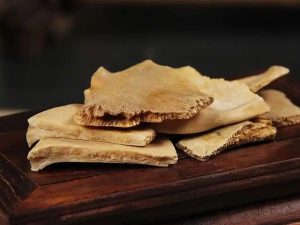
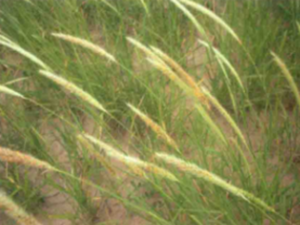
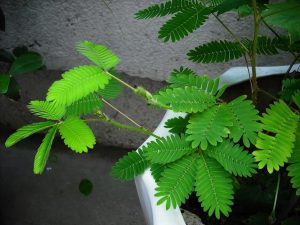
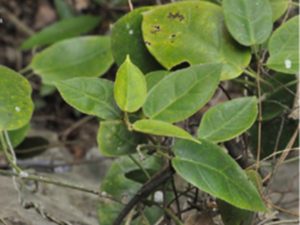
Commentary
Gynostemma pentaphyllum (Jiao-gu-lan) serves as the monarch (chief) herb. Sweet, bitter-cool in property, it enters the Spleen, Lung, Kidney meridians, and works to tonify qi, nourish yin and resolve phlegm and heat. Safflower (Hong-hua) joins as the supporting deputy, pungent-warm in property, acting through the Heart, Liver meridians to activate blood, unblock menstruation and resolve stasis. Finally, green tea (Lu-cha) functions as the harmonizing (envoy) ingredient; its role is to clear heat, resolve dampness and refresh the mind and coordinate the herbs. Collectively, the combination promote the flow of qi and blood and unblock the meridians, addressing the blood deficiency and blood pattern.