
Forsythia Ointment,*Shenghui*, Volume 63.,For all types of boils and abscesses on the back, after the abscess has ruptured.
Forsythia Ointment
Disclaimer: These statements have not been evaluated by the Food and Drug Administration (FDA). This product is not intended to diagnose, treat, cure, or prevent any disease. All references in this article to TCM syndrome differentiation, herbal medicines, teas, and decoctions are intended to promote TCM culture and are provided solely for educational and reference purposes.
Formulas Name : Forsythia Ointment
Chinese Name : 连翘膏
Drug Formulation
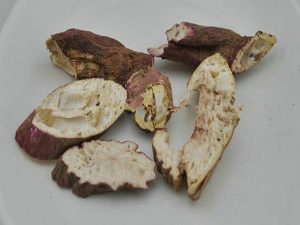
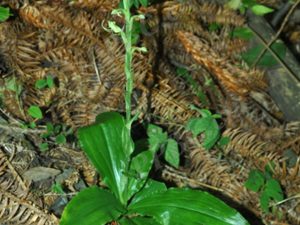
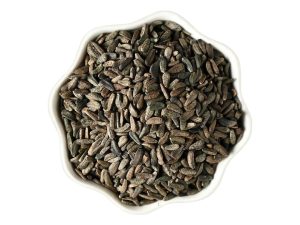
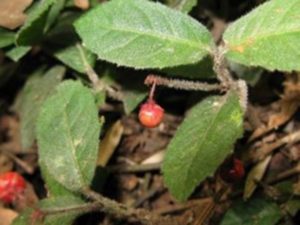
1.5 liang of Forsythia, 1.5 jin of aged oil, 10 liang of lard, 5 liang of mutton fat, 1.5 liang of Astragalus, 14 liang of Orpiment, 1.5 liang of Angelica dahurica, 1.5 liang of Bletilla, 1.5 liang of Cynanchum, 3 fen of Frankincense,1.5 liang of pine resin, 2 liang of beeswax, 1.5 liang of honeycomb, 0.5 liang of ash from unkempt hair, 1 chi 2 cun of blue silk (burned to ash), 1 chi 2 cun of crimson silk (burned to ash), 1.5 liang of Angelica sinensis, 1.5 liang of white peony root, and 1.5 liang of cassia bark.
Source
*Shenghui*, Volume 63.
Processing
For the above ingredients, first simmer the oil and pork or mutton fat over low heat until the fat has completely melted. Then, finely chop Astragalus, White Angelica, Forsythia, Bee Hive, Bletilla, White Smilax,Angelica sinensis, Paeonia lactiflora, and Cinnamomum cassia—the nine ingredients—into the oil and simmer over low heat. Wait until the herbs turn yellowish-black, then add pine resin, beeswax, and frankincense and melt them completely. Strain out the residue using a cotton cloth, return the mixture to the pot, and simmer again. Immediately add orpiment and stir with a willow wood spatula,without stopping, until the mixture turns black. Next, add the ash from crimson-dyed silk and human hair ash, stir until uniform, drip onto a cool surface, and allow it to solidify to the desired consistency to form a paste. Store in a porcelain container.
Benefits
For all types of boils and abscesses on the back, after the abscess has ruptured.
Instructions for Use
When applying, spread the ointment onto a clean piece of cloth and apply it to the affected area; change the dressing twice daily.
Copyright: Excerpt from *Shenghui*, Volume 63., Copyright belongs to the Original Author and all original sources, This article was shared by DeDe on August 26, 2026, Please credit the source and include a link to the original article when reposting.
Terminology Proofreading: [Cheng Bo] | August 26, 2026 Reviewed by: [Wang Zhongxiang, Associate Chief TCM Physician (China)] | August 26, 2026
Correct Content Errors: Errors may occur during the writing, editing, translation, and publication of website content. If you find any errors or inaccurate information in this article, please feel free to Contact Us to report them, and we will correct them promptly.
FDA Disclaimer: The descriptions of the efficacy of Chinese herbal medicines, herbal teas, decoctions, and formulas, as well as the content on Traditional Chinese Medicine (TCM) diagnostic theory and traditional TCM therapies contained on this site, are intended solely for the purpose of popularizing TCM culture and serving as an educational reference; they do not constitute medical diagnosis or treatment advice. Please do not attempt to use these products on your own without proper guidance. These statements have not been evaluated by the Food and Drug Administration. This product is not intended to diagnose, treat, cure, or prevent any disease. If you are experiencing any physical discomfort, please consult a licensed healthcare professional and seek treatment at a reputable medical institution. This platform assumes no responsibility for any consequences resulting from the use of herbs or formulas by any individual based on the information provided on this site. Please read Medical Disclaimer.
Forsythia Ointment,For all types of boils and abscesses on the back, after the abscess has ruptured.